Indian weddings are a magnificent tapestry of culture, color, and joyous celebrations. These multi-day events are filled with rich traditions, delicious food, and elaborate decor. As a guest, being part of this experience is an honor, and your attire plays a significant role in honoring the occasion. The right outfit shows respect for the couple and their families while allowing you to immerse yourself fully in the festive atmosphere. As we look toward 2025 and 2026, trends are evolving to blend timeless tradition with contemporary flair, making guest fashion more exciting than ever.
This guide will walk you through everything you need to know about choosing the perfect Indian wedding guest dress. We will explore popular styles, color palettes for different ceremonies, and tips to help you feel confident and elegant.
Why Are Indian Wedding Guest Dresses So Popular?
The global appeal of Indian wedding guest attire is undeniable. From the UK and US to the UAE and Australia, people are captivated by these stunning outfits. But what makes them so special?
- Rich Heritage and Craftsmanship: Each outfit is a piece of art, often featuring intricate handiwork like zari (metallic thread), sequins, and detailed embroidery passed down through generations.
- Vibrant Colors & Luxurious Fabrics: Indian fashion celebrates color. From deep jewel tones to soft pastels, the palettes are endless. Fabrics like silk, brocade, and chiffon add a touch of luxury.
- Global Influence: As Indian culture gains more visibility worldwide, its fashion has found a prominent place on the global stage. Designers are creating fusion wear that appeals to a diverse audience.
- Photogenic & Festive Appeal: Let's be honest these outfits are made for the camera. Their vibrant colors and shimmering details look incredible in photos, perfectly capturing the wedding's celebratory mood.
- Versatility Across Ceremonies: A single Indian wedding can have multiple events, from the Haldi to the reception. The variety of styles available ensures there is a perfect outfit for every single function.
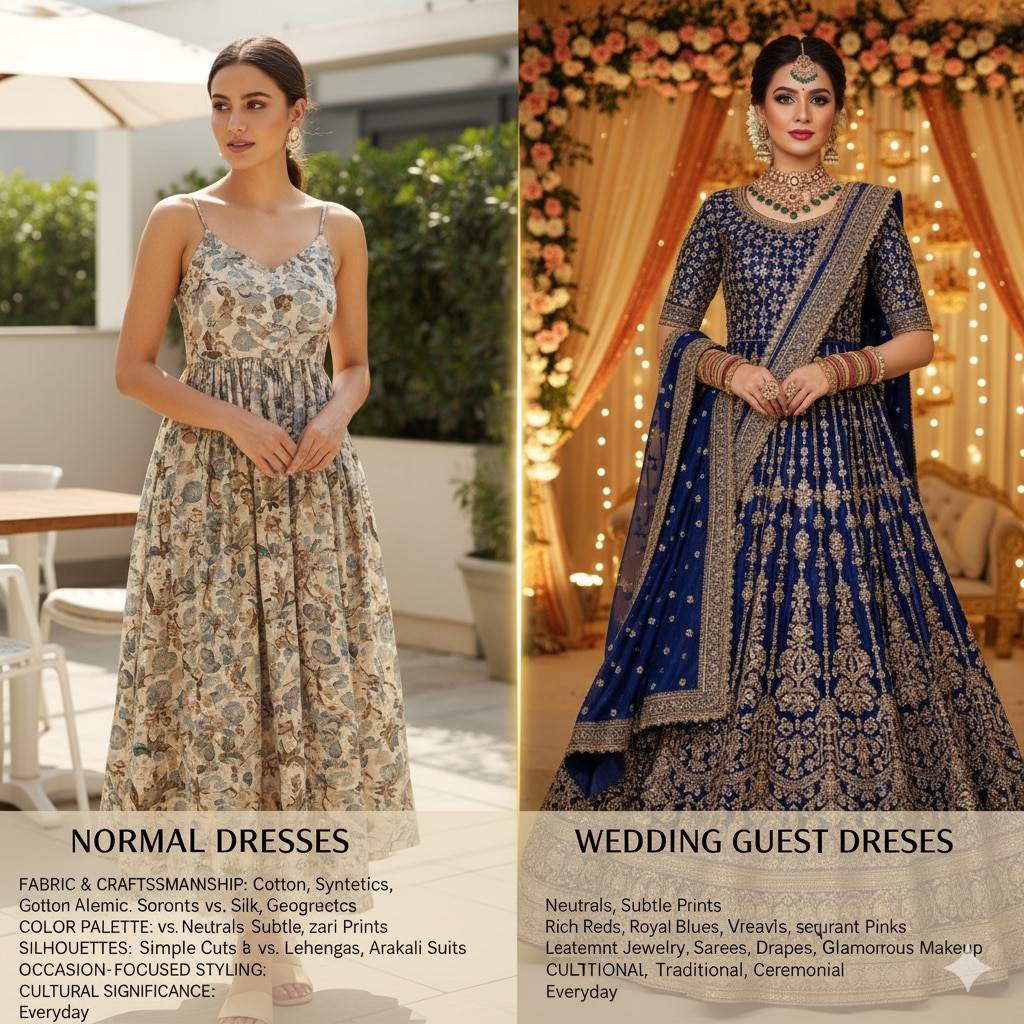
Difference Between Normal Dresses and Wedding Guest Dresses
While a beautiful dress is always in style, an Indian wedding calls for something more specific. The distinction lies in the details that elevate an outfit from everyday wear to celebratory attire.
Popular Styles of Indian Wedding Guest Dresses
The world of Indian fashion is vast and varied. Here are some of the most popular styles for wedding guests.
Embracing the Elegance of Lehengas
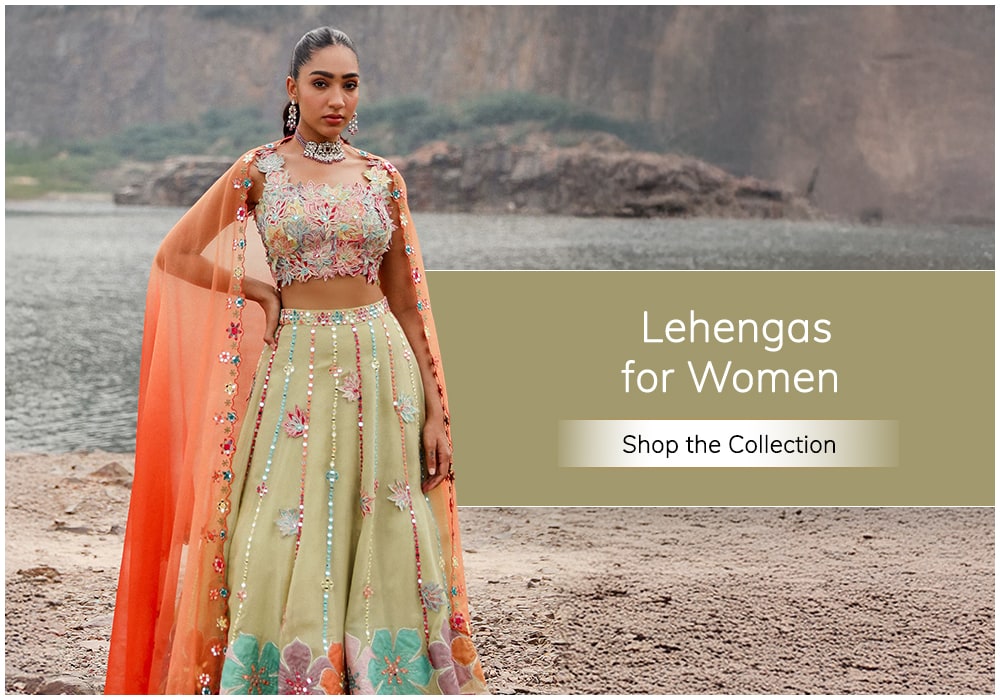
The lehenga, a three-piece outfit with a skirt, blouse (choli), and dupatta, is a wedding favorite.
- Lightweight Lehengas: Perfect for a Mehendi ceremony, these often feature floral prints or minimal embroidery on breathable fabrics.
- Embellished Lehengas: For the Sangeet night, choose a lehenga with mirror work, sequins, or heavy embroidery to shine on the dance floor.
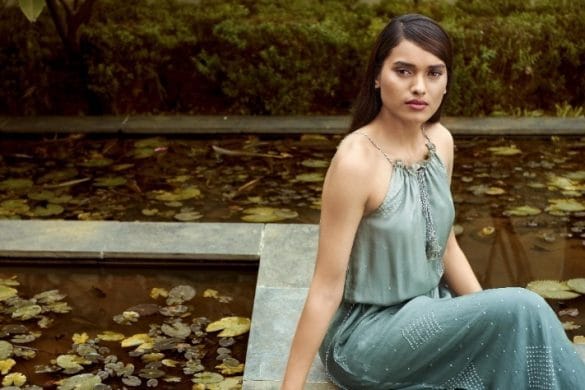
- Subtle & Pastel Lehengas: A day wedding is the ideal occasion for a lehenga in a soft pastel shade like blush pink, mint green, or powder blue.
- Fusion Styles: Modernize your look with a lehenga skirt paired with a crop top, a peplum blouse, or a jacket.
Graceful Sarees: A Timeless Elegance
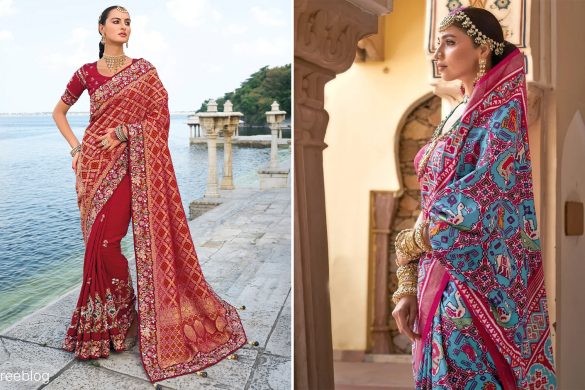
A saree is the epitome of grace and a timeless choice for any wedding guest.
- Banarasi Sarees: Woven with rich silk and intricate brocade work, these are perfect for the main wedding ceremony.
- Chiffon & Organza Sarees: These lightweight sarees are easy to drape and carry, making them ideal for daytime events or summer weddings. They often feature delicate prints or light embellishments.
- Silk Sarees: Kanjivaram, Mysore, or Tussar silk sarees offer a regal and traditional look, suitable for more formal wedding ceremonies.
- Modern Drapes & Pre-Stitched Sarees: For a contemporary twist, try a unique drape or opt for a pre-stitched saree. They provide the elegance of a saree without the hassle of pleating.
Modern Indian Guest Wear Options
If you want to try something beyond a saree or lehenga, these modern options are stylish and comfortable.
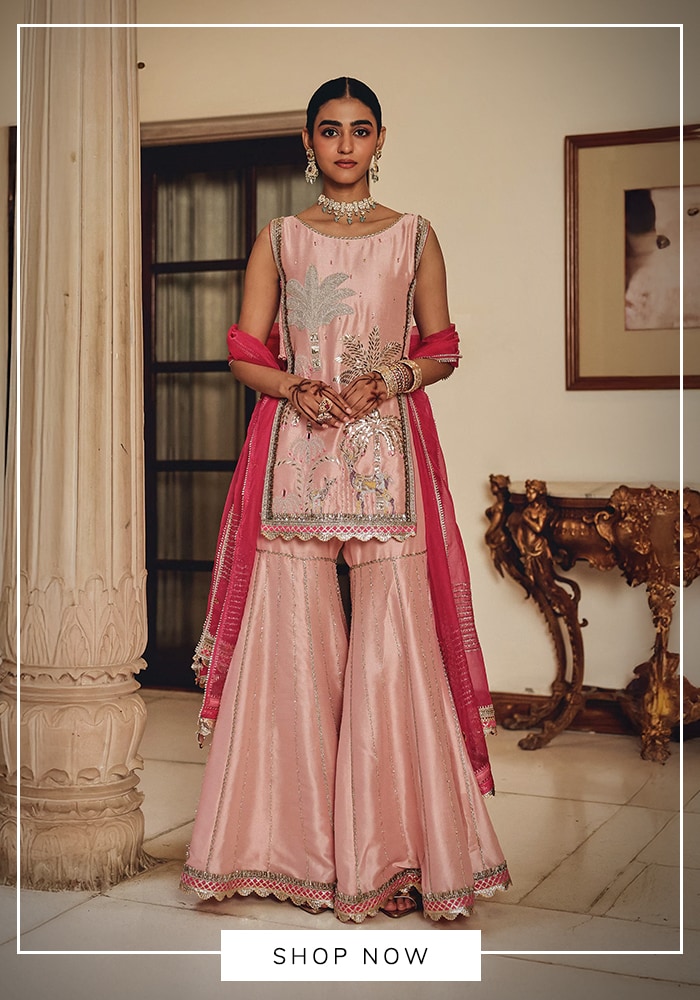
Sharara Sets: A sharara consists of a kurti, a dupatta, and flared pants. It's a fun, fashionable choice that is easy to move and dance in.
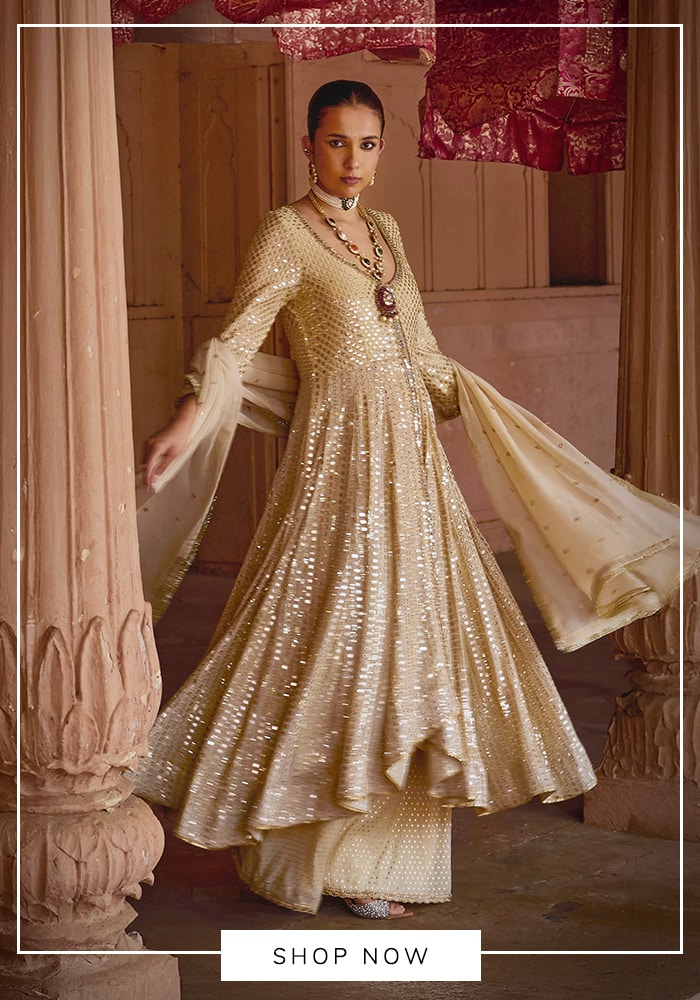
Anarkali Suits: With their floor-length, flared silhouette, Anarkali suits are flattering on all body types and offer a royal, elegant look.
Indo-Western Gowns: These gowns blend Indian embroidery and fabrics with Western silhouettes. They are a great choice for reception parties.
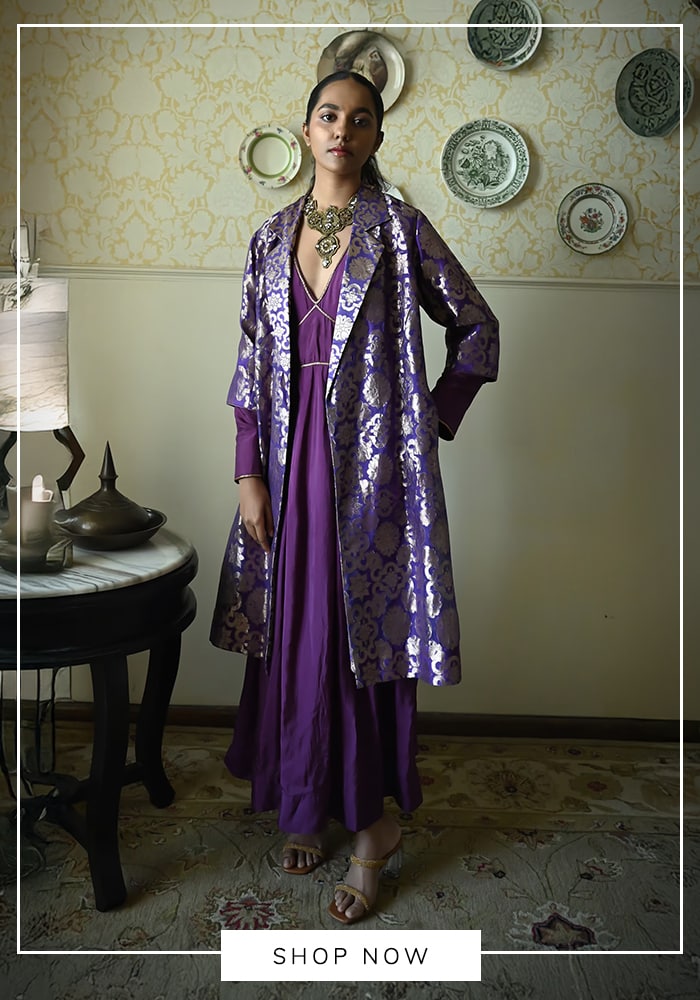
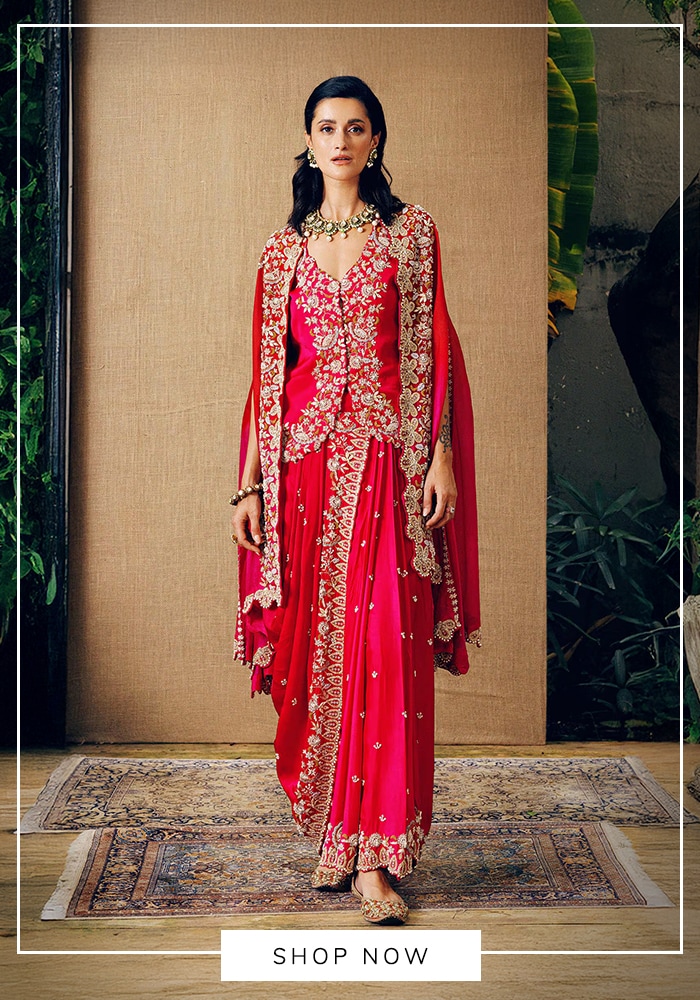
Co-ords & Cape Sets: For the fashion-forward guest, coordinated sets (matching top and bottom) or outfits paired with an embellished cape are chic and trendy.
Choosing Colors Based on Occasion
In Indian culture, colors hold significance. Choosing the right hue for each event shows thoughtfulness.
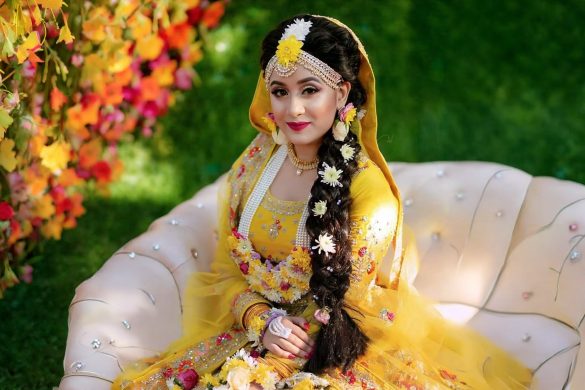
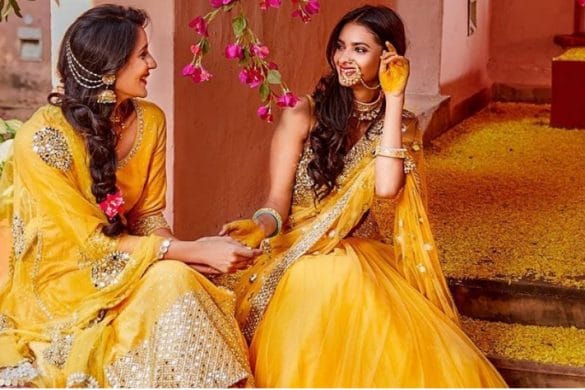
- Haldi Ceremony: This event is all about yellow. Opt for shades of mustard, lemon, or marigold. Citrus tones, lime green, and ivory are also great choices.
- Mehendi Ceremony: Green is the traditional color for this event. You can wear anything from emerald and forest green to pista and mint. Floral prints are also very popular.
- Sangeet Night: This is the party night, so go for deep, glamorous colors. Navy, wine, metallics (gold and silver), and outfits with mirror work are perfect.
- Wedding Ceremony (Pheras): While guests should avoid wearing bright red (traditionally the bride's color), related shades like maroon, gold, mustard, and blush pink are beautiful options.
- Reception Party: This is your chance to go all out. Black (if the family is comfortable with it), midnight blue, champagne, and silver create a sophisticated, celebratory look.
Elevate Your Style with Confidence
The best accessory you can wear is confidence. Here’s how to feel your best in your chosen outfit.
- Choose a Silhouette for Your Body Type: A-line Anarkalis flatter most figures, while sarees can be draped to highlight or conceal curves. Experiment to find what makes you feel great.
- Accessorize Correctly: Don't overdo it. If your outfit is heavily embellished, opt for minimal jewelry. If your dress is simple, a statement necklace or earrings can elevate the look. Match your bag and footwear to your outfit.
- Makeup for Each Event: Go for a fresh, dewy look for day events and a more glamorous, smoky eye or bold lip for evening functions.
- Carry Heavy Outfits with Comfort: Practice walking in your outfit at home. Ensure your footwear is comfortable, especially if you plan to dance. Pin your dupatta securely so you don't have to adjust it constantly.
Expert Tips for Selecting the Right Indian Wedding Guest Dress
A few final tips can help you make the perfect choice.
- Venue-Based Dressing: For an outdoor wedding, choose lightweight, breathable fabrics. For a banquet hall, you can opt for heavier silks and velvets. For a destination wedding, consider the local climate and theme.
- Season-Based Selection: Summer weddings call for cottons, chiffons, and organzas in light colors. Winter weddings are perfect for velvet, silk, and brocade in deeper shades.
- Trend vs. Tradition: Find a balance that suits your personal style. You can wear a traditional silhouette in a trendy color or accessorize a modern outfit with classic jewelry.
- Budget-Friendly Styling: You don’t need to break the bank. Renting an outfit is a great option. You can also re-wear an old outfit by styling it differently with new accessories or a different dupatta.
Outfit Ideas for Every Guest
- For Women: A classic Banarasi saree or an embellished Anarkali suit is always a winning choice.
- For Teens: A lightweight lehenga with a crop top or a trendy sharara set is fun and age-appropriate.
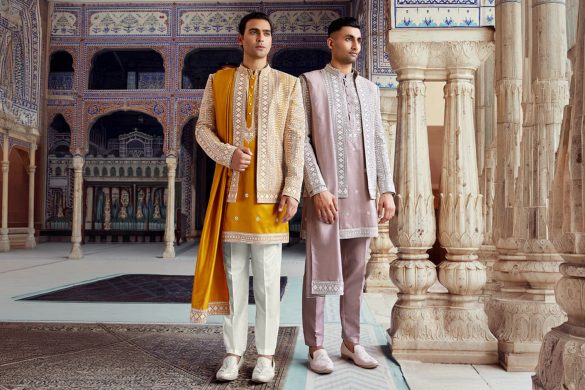
- For Minimalists: A simple silk kurta set or a plain chiffon saree with an elegant border is sophisticated and understated.
- For Glamorous Dressers: A sequined gown, a lehenga with heavy mirror work, or a metallic saree will ensure you stand out.
- Plus-Size Friendly Options: Anarkalis, sharara sets, and sarees draped cleverly are universally flattering and comfortable.
FAQs About Indian Wedding Guest Dresses
What should a guest not wear to an Indian wedding?
Avoid wearing bright red, as it's traditionally the bride's color. It's also best to steer clear of all-white (associated with mourning) and all-black for the main ceremony, unless specified. Avoid anything too revealing.
Are black outfits allowed at an Indian wedding?
While black was once considered inauspicious, it is now widely accepted for receptions and Sangeet nights. It's still best to avoid it for the main wedding ceremony itself.
What are some easy-to-carry outfits?
Pre-stitched sarees, Anarkali suits, sharara sets, and Indo-western gowns are very manageable and comfortable, especially if you're not used to wearing Indian attire.
What are the best dresses for a summer wedding?
Opt for light, breathable fabrics like organza, chiffon, georgette, and cotton. Pastel colors and floral prints are perfect for keeping cool while looking stylish.
Should I choose a saree or a lehenga as a guest?
This depends on your comfort level. A lehenga is generally easier to wear and move in, making it great for dancing at the Sangeet. A saree offers a more classic and graceful look, perfect for the main ceremony or reception.
How much should I spend on a wedding guest outfit?
Your budget is entirely personal. You can find beautiful options across all price points. Consider renting designer wear for a high-end look without the high cost.
Can I wear an outfit I already own?
Absolutely! Restyling an old outfit with new jewelry, a different blouse, or a new draping style is a sustainable and smart way to dress for a wedding.
Do I need to cover my head?
At a Sikh wedding ceremony (Anand Karaj), all guests must cover their heads inside the Gurdwara. Many Hindu ceremonies do not require it, but carrying a dupatta is always a good idea as a sign of respect.