 Summer is here, and with it comes the eternal struggle: how do you stay stylish without melting in the heat? When the temperatures soar, we all start looking for fabrics that breathe. Two names often pop up in this search for the ultimate summer fabric: Khadi and Linen. Both are celebrated for being natural, breathable, and incredibly comfortable. They share a similar rustic charm and are favorites among eco-conscious shoppers. But if you have ever stood in a store holding a Khadi shirt in one hand and a Linen one in the other, wondering, "What is the actual difference?", you are not alone. While they might look and feel somewhat similar, Khadi and Linen have very different origins, textures, and personalities. This guide on Khadi vs Linen will break down everything you need to know. We will explore their unique characteristics, weigh their pros and cons, and help you decide which one deserves a spot in your closet this season.
What is Khadi Fabric?
To understand Khadi fabric, we need to look at its soul. Khadi is not just a textile; it is a symbol of Indian heritage. The term "Khadi" refers to hand-spun and hand-woven cloth. Historically, it became famous during India's freedom movement when Mahatma Gandhi promoted it as a tool for self-reliance.How It Is Made
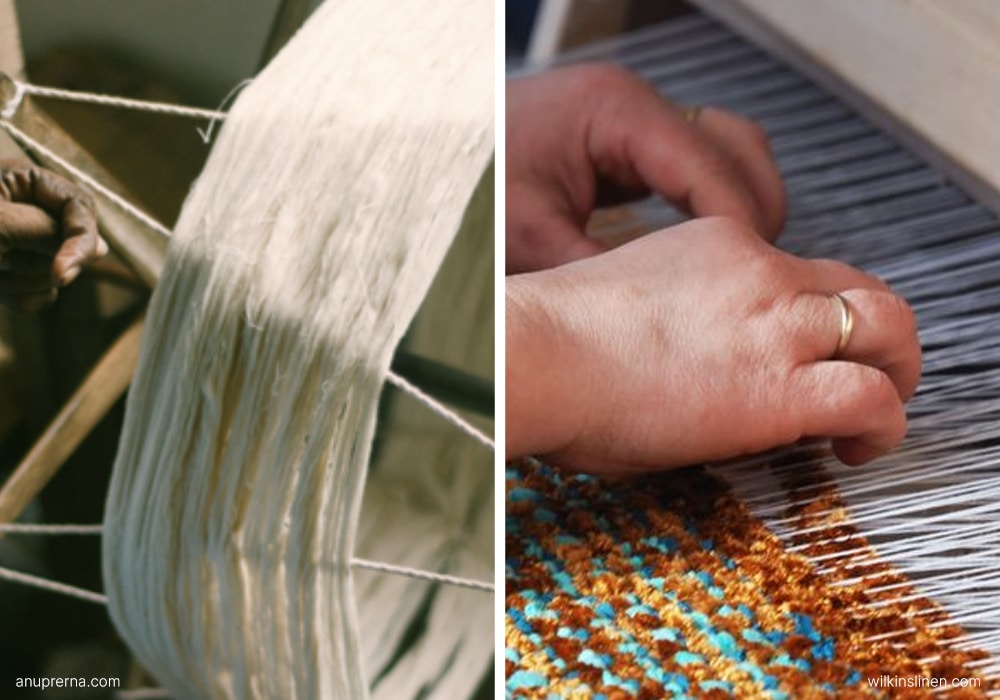
The magic of Khadi lies in the human touch. First, the fiber (usually cotton, but sometimes silk or wool) is spun into yarn by hand using a spinning wheel called a charkha. Then, this hand-spun yarn is woven into fabric on a handloom. Because it is completely handmade, no two yards of Khadi are exactly the same.Key Characteristics
- Texture: It has a rugged, uneven texture. If you hold it up to the light, you might see small inconsistencies in the weave—these are not defects but signatures of its handmade nature.
- Temperature Regulation: Khadi material is unique because it keeps you cool in summer and warm in winter. The hand-spinning process leaves air pockets in the yarn, which act as natural insulation.
- Sustainability: It has a near-zero carbon footprint since it requires no electricity to produce.
What is Linen Fabric?
Linen is often called the "aristocrat of textiles." It is one of the oldest fabrics in human history, dating back thousands of years to ancient Egypt. While Khadi is defined by how it is made, Linen is defined by what it is made of.How It Is Made
Linen fabric is made from the fibers of the flax plant. Extracting these fibers is a labor-intensive process. Once extracted, they are spun into yarn and woven into cloth. While Linen can be hand-woven, most modern linen is produced on machines to ensure a smoother, more consistent finish.Key Characteristics
- Strength: Linen is known for its incredible durability. It is actually stronger when wet and gets softer with every wash.
- Absorbency: It absorbs moisture very well and dries faster than cotton, which is why it feels so cool to the touch.
- Wrinkles: Linen is famous (or infamous) for wrinkling easily. However, these creases are often seen as part of its effortless, relaxed elegance.
- Stiffness: New linen can feel a bit crisp or stiff, but it softens beautifully over time.
Khadi vs Linen: The Main Differences
So, what is the real difference between khadi and linen? Let’s compare them side-by-side.1. The Source and Process
- Khadi: Can be made from cotton, silk, or wool. The defining factor is the process—it must be hand-spun and hand-woven.
- Linen: Must be made from the flax plant. The material defines it, regardless of whether it is woven by hand or machine.
2. Texture and Feel
- Khadi: Soft, porous, and earthy. It feels closer to raw cotton and has a comforting, homespun texture.
- Linen: Smooth, cool, and crisp. It has a natural luster (shine) that Khadi usually lacks (unless it’s Khadi silk).
3. Breathability and Comfort
- Khadi: Extremely breathable due to the loose hand-weave. The air pockets make it airy and light.
- Linen: Highly breathable and moisture-wicking. It conducts heat away from the body, making it feel physically cool against the skin.
4. Maintenance
- Khadi: Needs gentle care. Because the weave is looser, it can be delicate. Hand washing is often recommended.
- Linen: Tough and durable. It can withstand machine washing, though it requires ironing to look sharp.
Khadi vs Linen for Summer: Which Wins?
This is the big question: is khadi cooler than linen? The answer is... it’s a tie, but for different reasons. Choose Khadi for Summer If:- You want a fabric that feels soft and airy immediately.
- You prefer a matte, textured look that feels organic.
- You are in a humid climate. Khadi’s porous nature allows air to flow right through, preventing that "sticky" feeling.
- You want a fabric that wicks away sweat quickly.
- You love a structured, crisp look that says "summer sophistication."
- You enjoy the cooling sensation of fabric against your skin.
Sustainability Showdown: Khadi vs Linen Sustainability
For the eco-conscious shopper, both fabrics are winners, but Khadi takes the gold medal. Khadi's Eco-Score: Khadi is often called the most sustainable fabric on earth. It uses no electricity during the spinning and weaving process. It supports rural artisans and keeps traditional crafts alive. If you buy a Khadi clothing item, you are essentially wearing a carbon-neutral garment. Linen's Eco-Score: The flax plant used for linen material is very eco-friendly. It requires far less water and pesticides than conventional cotton. It grows quickly and enriches the soil. While the mechanical production of linen uses energy, the raw material itself is highly sustainable and biodegradable.When to Wear Khadi vs Linen
Knowing when to wear each fabric can help you build a versatile wardrobe.When to Wear Khadi
Khadi has a relaxed, artistic, and intellectual vibe. It is perfect for:- Casual Days: A Khadi kurta or a loose shirt is perfect for running errands or lounging at home.
- Cultural Events: Khadi sarees and kurtas are a staple for independence day celebrations, art exhibitions, or casual family gatherings.
- Work from Home: It is comfortable enough to sleep in but looks presentable enough for a video call.
When to Wear Linen
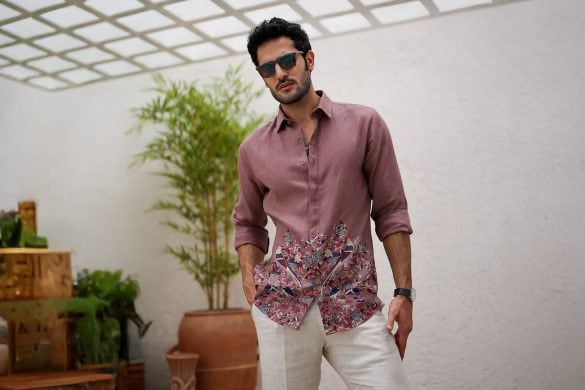
Linen leans towards "resort chic" and smart-casual. It works well for:- Summer Weddings: A linen suit or a linen saree looks polished and elegant without being stuffy.
- Office Wear: A crisp linen shirt tucked into trousers is a classic office look during the hotter months.
- Vacations: Linen dresses and shorts are the ultimate travel companions for beach holidays.
Frequently Asked Questions (FAQs)
Let's tackle some common questions about khadi vs linen.Which is better, khadi or linen?
Neither is objectively "better." It depends on your needs. If you prioritize softness, heritage, and zero-carbon footprint, Khadi is better. If you prioritize durability, a crisp look, and moisture-wicking properties, Linen is better.Is linen better than khadi for formal wear?
Generally, yes. Linen has a natural sheen and holds structure better, making it look sharper for formal shirts and suits. Khadi has a softer, more crumpled drape that looks more casual. However, Khadi Silk (a blend of Khadi and Silk) is an excellent formal option.Which is more expensive?
High-quality Linen is typically more expensive than cotton Khadi because the process of producing flax fiber is costly and time-consuming. However, fine-count Khadi or Khadi Silk can also be priced at a premium due to the intense artisanal labor involved.How do I care for these fabrics?
- Khadi: Wash in cold water with mild detergent. Don't wring it too hard. Dry in the shade to prevent fading. Starch it if you want a crisp look.
- Linen: Machine wash on a gentle cycle. Tumble dry on low or line dry. Iron while the fabric is still slightly damp to get rid of stubborn wrinkles.
Durability Check: Khadi vs Linen Durability
If you want clothes that last for years, Linen has the edge. Flax fibers are incredibly strong, and linen garments are known to last for decades if cared for properly. In fact, many vintage linen items are still in circulation today. Khadi is durable in its own right, especially heavier weaves, but because it is hand-spun, the yarn tensile strength can vary. Lightweight Khadi can wear out faster than heavy linen. However, the beauty of Khadi is that it gets softer and more comfortable with age, becoming like a second skin.Why Choose Designer Khadi and Linen?
While you can find basic versions of these fabrics anywhere, designer interpretations take them to a whole new level. Designers add structure, modern cuts, and unique embellishments that transform these humble fabrics into luxury wear. Aza Fashions is the perfect destination to explore this elevated side of sustainable fashion.- Modern Khadi: Discover designers who are reinventing khadi clothing with contemporary silhouettes like maxi dresses, overlays, and chic co-ord sets. It’s not just plain kurtas anymore!
- Luxe Linen: Explore premium linen clothing ranging from embroidered linen sarees to sharp menswear by top Indian labels.
- Occasion-Ready: Whether you need a breathable outfit for a Haldi ceremony or a smart linen shirt for a brunch date, Aza’s curated collections make it easy to find exactly what you need.
Final Verdict
In the battle of khadi vs linen fabric, the only winner is you. Both fabrics offer a refreshing escape from synthetic materials and heavy, uncomfortable clothes.- Choose Khadi if you want to support artisans, embrace a soft, earthy texture, and wear a piece of history.
- Choose Linen if you want a durable, cooling fabric that exudes effortless elegance and sharp style.