Have you ever touched a fabric that feels as light as air but looks fit for a queen? That is the magic of Maheshwari silk. Born in the historic town of Maheshwar in Madhya Pradesh, this textile is a stunning blend of softness and shine. It is a fabric that carries the weight of history without weighing you down.
In this blog post, we will explore the fascinating world of Maheshwari silk. We will travel back to the 18th century to meet the queen who created it, uncover the secrets of its unique weaving style, and see why this handloom fabric remains a favorite for weddings, festivals, and everyday elegance.
A Gift from a Queen: The Royal Origins
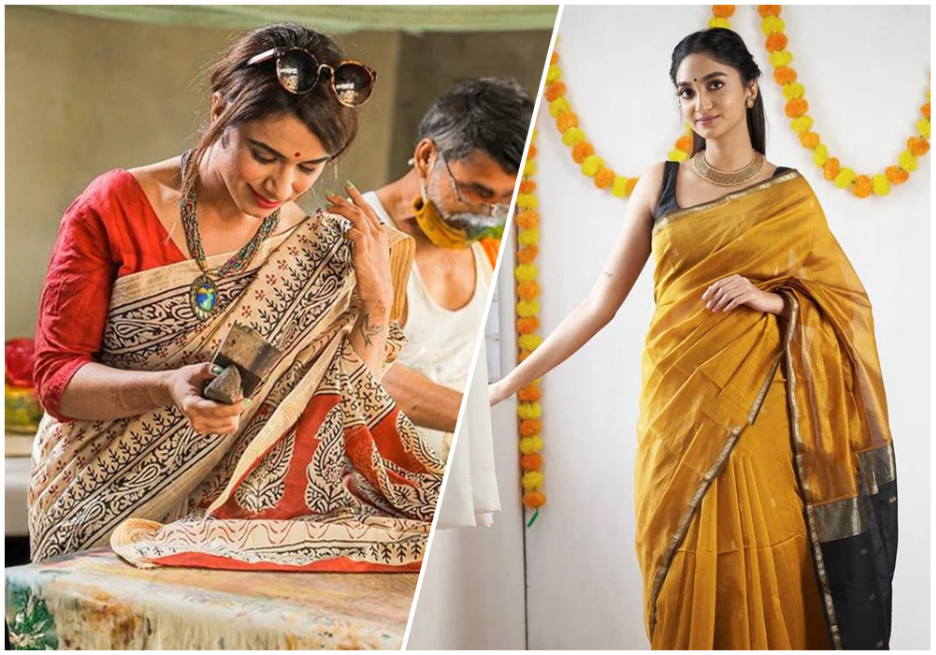
The story of Maheshwari silk begins with one of India’s most respected rulers, Rani Ahilyabai Holkar. In the 18th century, she ruled over the Holkar dynasty from her capital in Maheshwar. Known for her wisdom and strength, the Queen wanted to create a special gift for her royal guests and visiting dignitaries.
To achieve this, she invited skilled weavers from Surat and Malwa to her kingdom. She personally guided them to design a unique nine-yard saree that was elegant yet comfortable. The result was the first Maheshwari saree. Since then, this textile has been synonymous with royalty. What started as a royal gift has now become a cherished part of traditional Indian textiles, loved by women across the country.
The Perfect Blend: Silk Meets Cotton
What makes Maheshwari silk so special is its composition. It is not just pure silk; it is a clever mix. Traditionally, weavers use silk threads for the warp (the vertical threads) and fine cotton threads for the weft (the horizontal threads). This technique is known as Tana-Bana.
This blend gives the fabric the best of both worlds:
The Shine of Silk: The silk warp gives the fabric a lustrous, glossy finish that catches the light beautifully.
The Comfort of Cotton: The cotton weft ensures the fabric is breathable, soft against the skin, and stays crisp without being slippery.
This unique combination makes Maheshwari silk incredibly lightweight. It drapes like a dream, making it perfect for the hot Indian climate while still looking dressy enough for grand occasions.
Motifs Inspired by Stone
When you look closely at a Maheshwari saree, you are looking at a reflection of the town itself. The designs woven into the fabric are directly inspired by the grand architecture of the Maheshwar Fort and the temples lining the Narmada River.
The weavers translate stone carvings into thread. Some of the most famous motifs include:
The 'Eent' Pattern: This geometric design looks like a brick and is a signature of Maheshwari weaving.
Chameli ka Phool: A delicate pattern resembling the jasmine flower.
Heera: A diamond-shaped geometric pattern.
Chatai: A mat-like pattern woven into the border.
These geometric and floral designs give Madhya Pradesh sarees a distinct, sophisticated look that is quite different from the heavy floral brocades found in other parts of India.
The Signature Reversible Border
One of the most clever features of a traditional Maheshwari saree is its border. Known as the "Bugdi" border, it is designed to be reversible. This means the design looks exactly the same on both sides of the fabric.
This unique weaving technique allows women to wear their sarees in different ways without worrying about the "wrong side" showing. The borders often feature intricate Zari work—metallic threads that add a touch of gold or copper shimmer to the saree. While real gold threads were used in the past, today, high-quality copper-coated nylon or synthetic zari is used to keep the sarees affordable and durable.
Versatility for the Modern Wardrobe
While it started as a royal garment, Maheshwari silk has evolved to fit the modern lifestyle. Today, it is not just limited to sarees. The fabric's lightweight and crisp nature makes it excellent for:
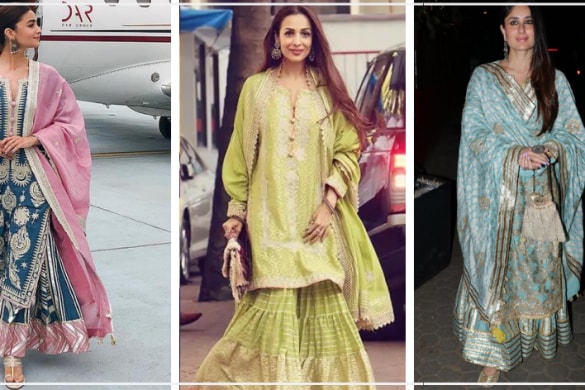
Dupattas: A Maheshwari silk dupatta can instantly elevate a simple kurta set.
Dress Materials: The fabric is popular for salwar suits and kurtis because it holds its shape well.
Home Decor: You can even find Maheshwari curtains and cushion covers that add a touch of ethnic luxury to a home.
Whether you are attending a summer wedding, a corporate meeting, or a festive puja, Maheshwari silk fits right in. It offers an understated elegance—it doesn't scream for attention, but it always commands respect.
Caring for Your Maheshwari Silk
Because it is a blend of silk and cotton, this fabric is relatively easy to maintain compared to pure silk. However, to keep it looking new for years, a little care is needed.
Washing: For the first few washes, dry cleaning is recommended to preserve the sheen and Zari work. Later, you can gently hand wash it in cold water with mild detergent.
Drying: Always dry it in the shade to prevent the colors from fading in harsh sunlight.
Ironing: Iron on a low to medium heat setting. It is best to iron on the reverse side or place a thin cloth over the zari borders to protect them.
A Timeless Treasure
Owning a piece of Maheshwari silk is like owning a piece of Indian history. It is a tribute to Rani Ahilyabai Holkar's vision and the skilled artisans of Madhya Pradesh who have kept the tradition alive for centuries.
In a world of fast fashion, Maheshwari silk stands out as a symbol of timeless grace. Its unique blend of textures, its architectural motifs, and its royal lineage make it a true gem among traditional Indian textiles. So, the next time you are looking for an outfit that combines comfort with class, wrap yourself in the lightweight luxury of Maheshwari silk.