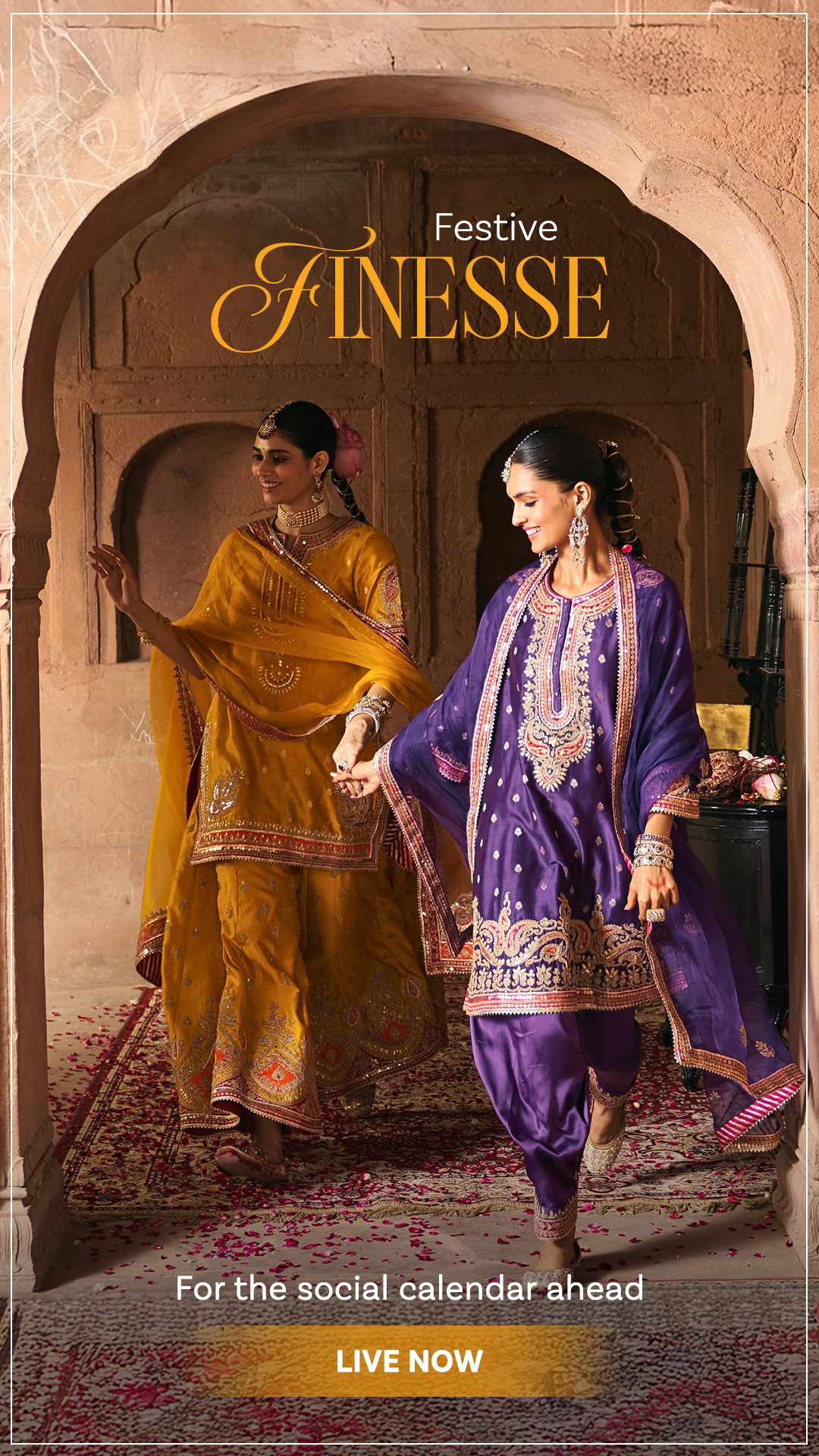
Fashion in India has never been just about clothing. It is memory stitched into fabric, tradition wrapped in craftsmanship, and stories passed from one generation to the next. Long before sustainability became a buzzword, Indian families were already doing the work, carefully preserving treasured sarees, heirloom jewellery, embroidered shawls, and handcrafted textiles for the generations still to come. From a grandmother's Banarasi saree to a mother's wedding lehenga, these pieces carry an emotional weight that no price tag could ever capture. This Parents' Day on 26th of July, we're tracing the thread, quite literally, that connects Indian wardrobes across time.
Your Wardrobe Called; It's Older Than You Think
Ask any Indian household about their "special occasion" cupboard and you'll find it isn't really a cupboard, it's an archive. Families preserve clothing and jewellery not out of nostalgia alone, but because these pieces have witnessed things. A Banarasi saree isn't just six yards of silk; it's the same silk that stood at someone's wedding mandap, danced through a sister's sangeet, and now waits patiently for its next big entrance. Kanjeevaram sarees, heritage silk weaves, and traditional jewellery sets don't get retired after one season, they get reserved, tucked away in muslin cloth and mothballs, waiting for the next milestone to call their name.
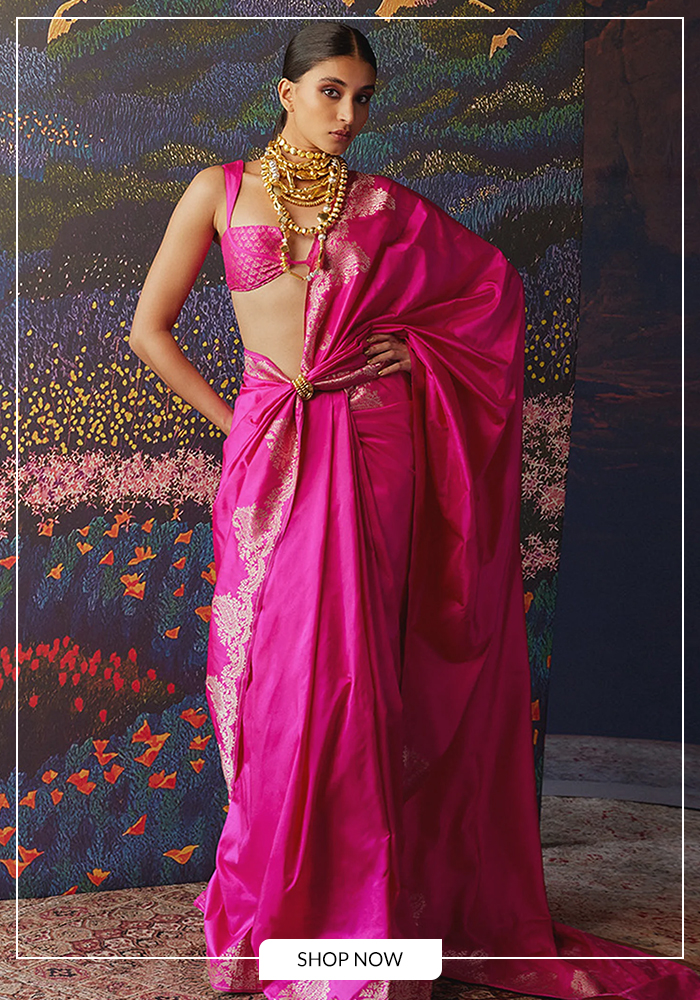
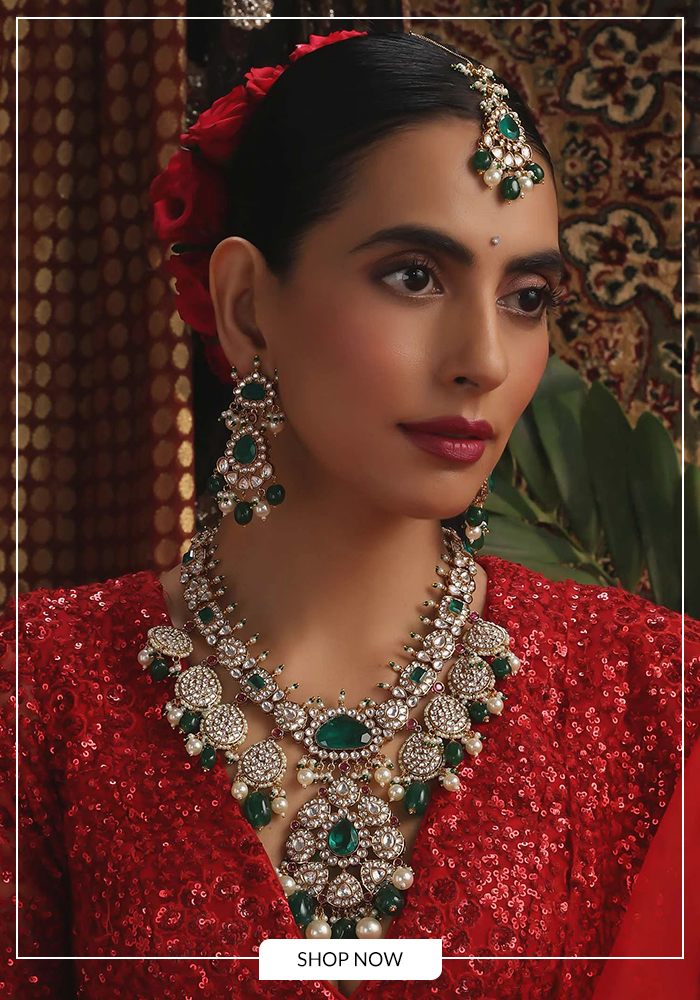
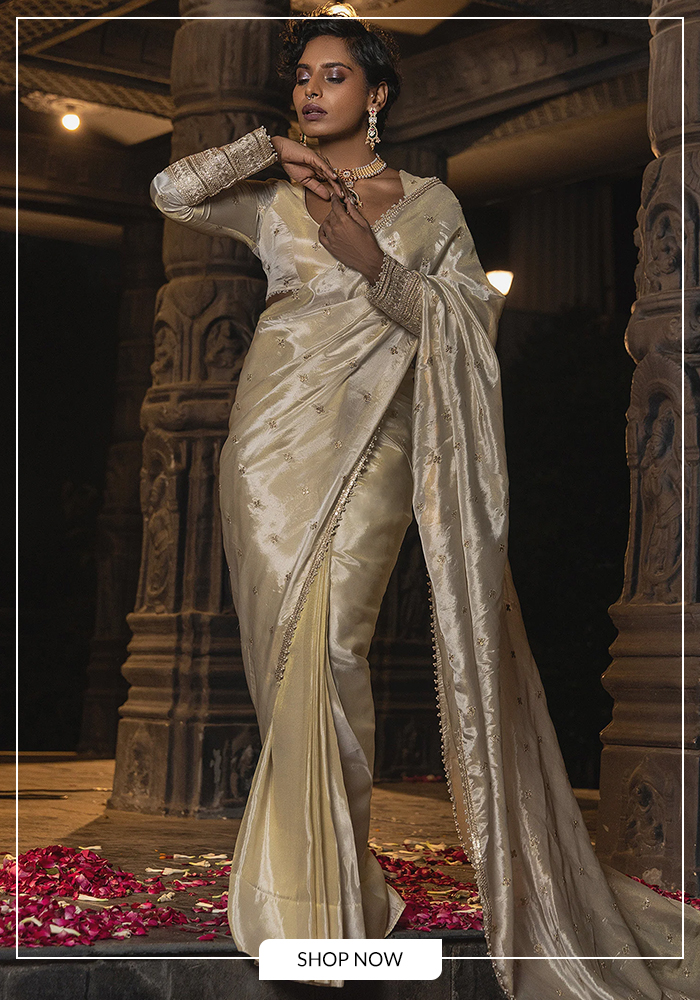
This is what separates Indian fashion from fast fashion. A garment doesn't lose value the moment it's worn; it gains value every time it's worn again, at a new wedding, a new festival, a new chapter of someone's life. The clothes become witnesses. And somewhere along the way, they stop being "outfits" and start being family history you can literally wear.
The Saree That Refuses to Retire
If Indian fashion had a family patriarch, it would be the saree, the single most inherited piece of clothing in the country, and arguably the hardest working. Grandmother's wedding saree becomes mother's festive favourite, which eventually becomes the daughter's "something borrowed, something old" for her own big day. It's a relay race that's been running for decades, and nobody's dropped the baton yet.
Banarasi, Kanjeevaram, Paithani, and Patola sarees are practically built for this kind of longevity, the kind of weaves that get better with age, not worse. And the best part? Today's generation isn't just wearing these sarees as-is; they're restyling them entirely. An heirloom Banarasi gets a contemporary saree blouse instead of the original.
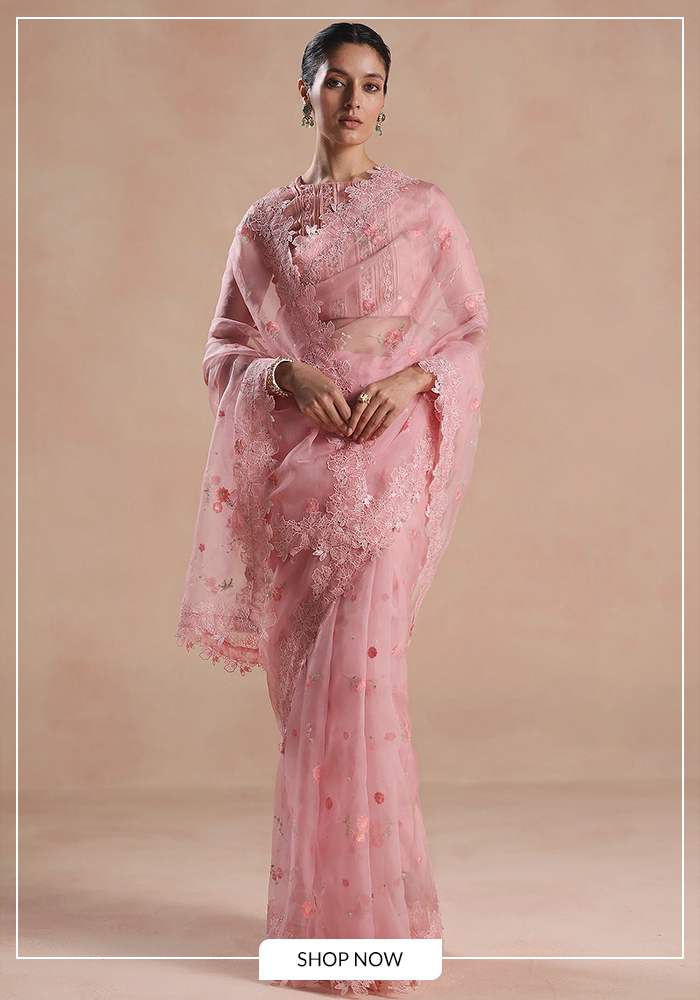
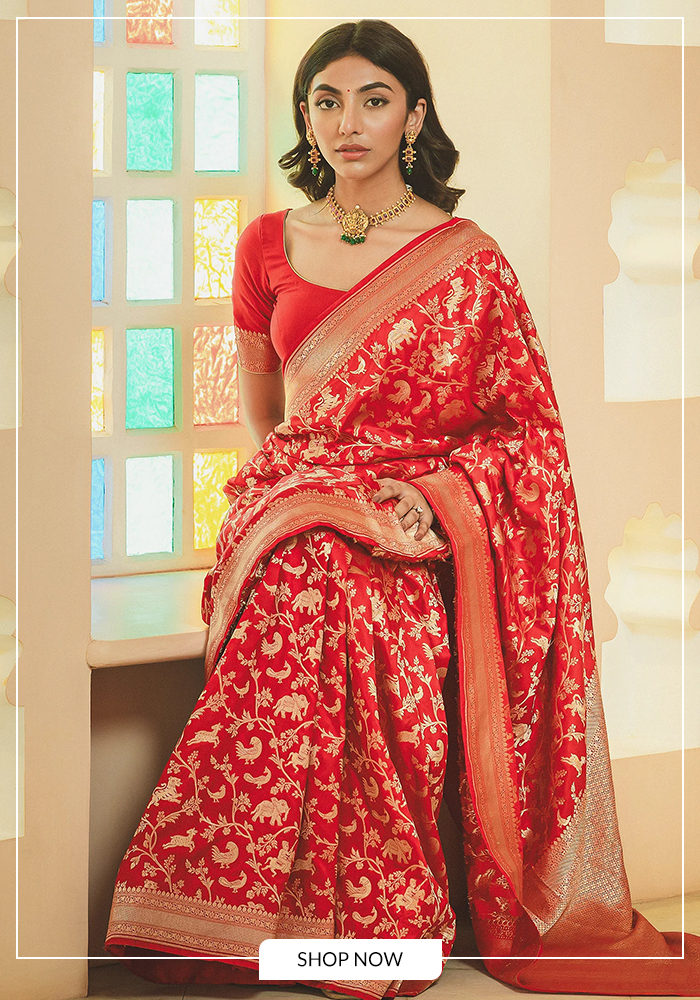
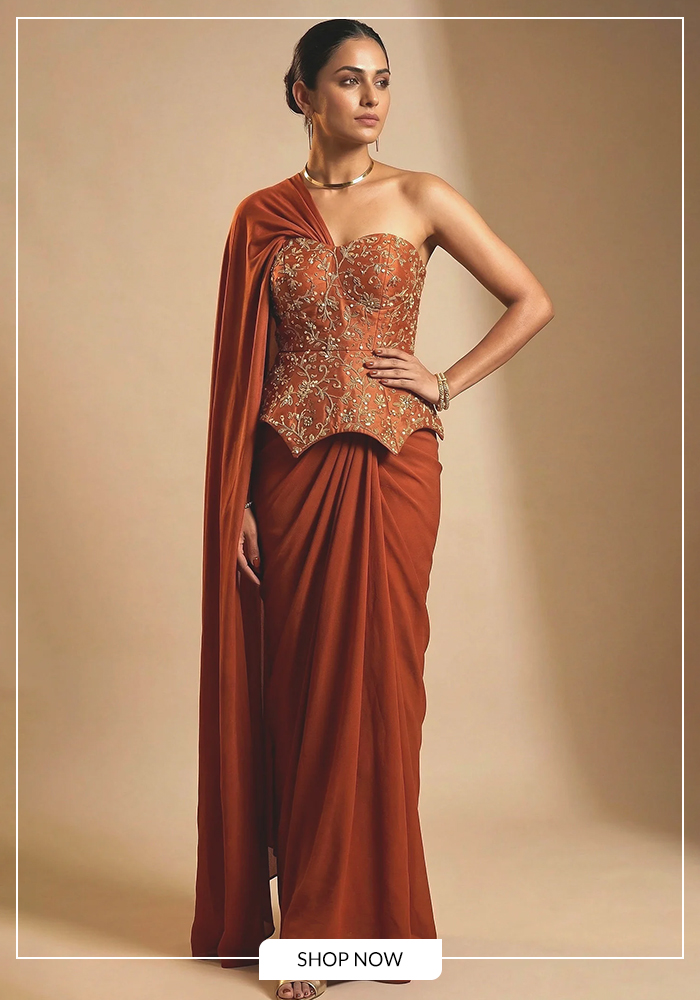
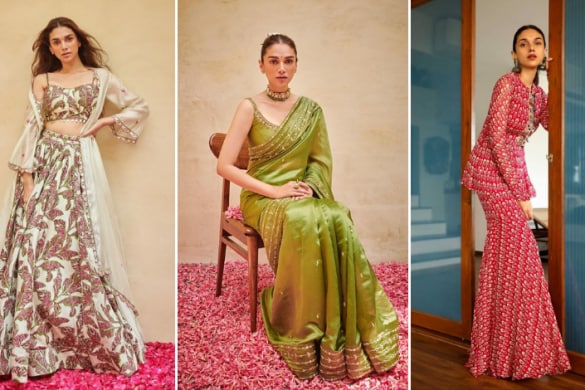
A Kanjeevaram gets the pre-draped treatment for a cocktail evening. Even an Organza saree passed down from an aunt finds new life paired with something fresh and unexpected. The saree hasn't changed. The way we wear it has.
The Lehenga That Outlived the Wedding
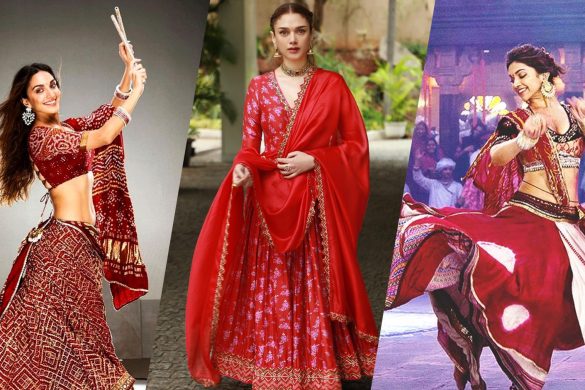
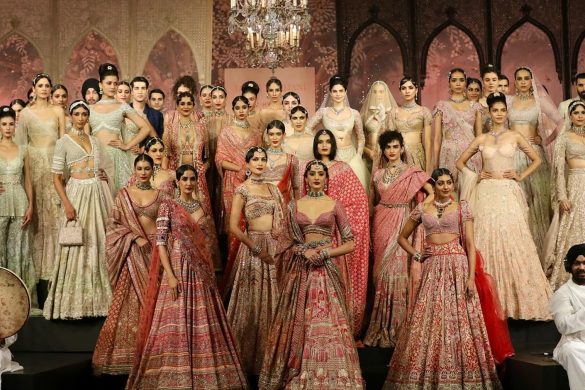
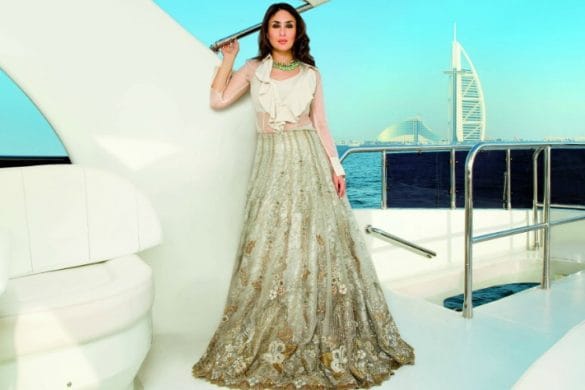
There was a time when bridal lehengas were designed to peak on one day and then live quietly in a box forever after. That era is over. Today's bridal lehengas — the Red Lehengas, the Heritage Embroidered pieces, the Velvet Bridal showstoppers- are being designed with an entirely different brief: make it timeless enough for the next bride in the family.
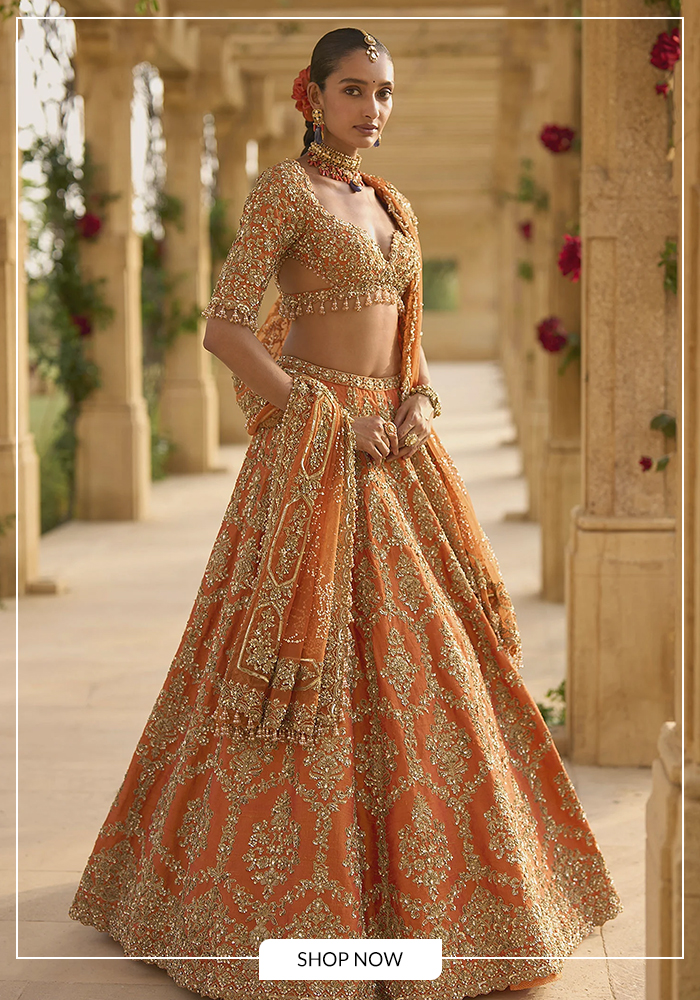
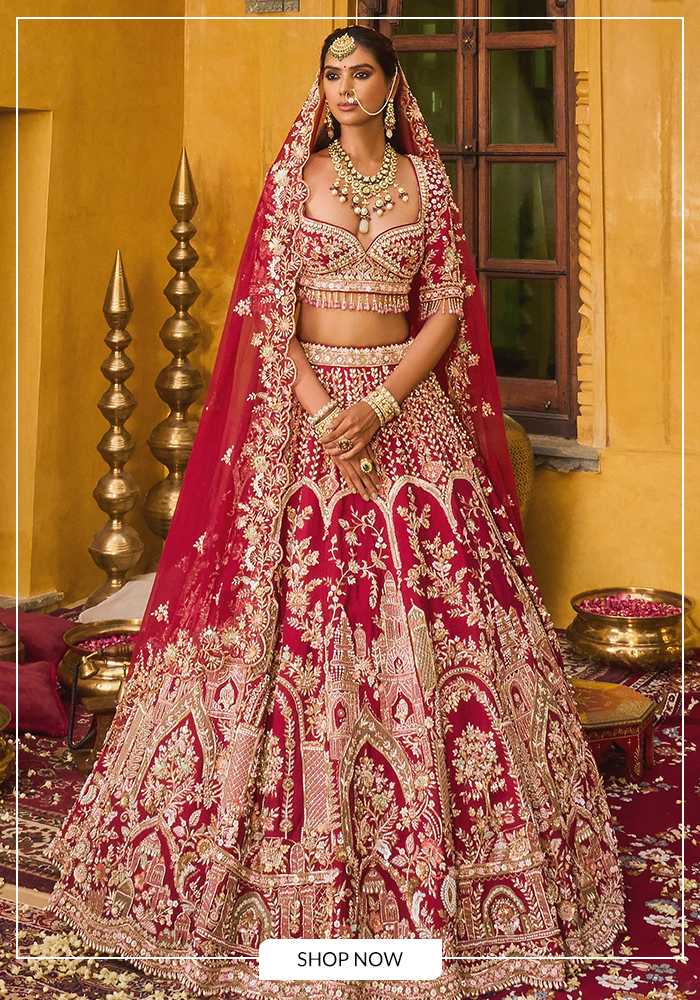
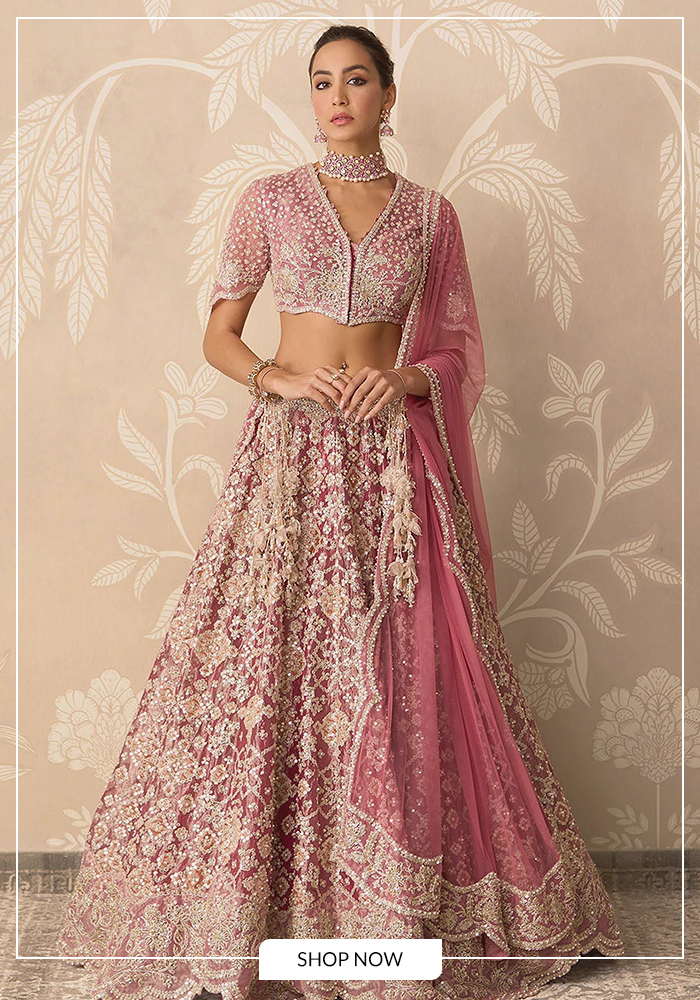
Designers have caught on. Instead of chasing whatever's trending this wedding season, more bridal houses are leaning into silhouettes and embroidery that won't look dated in fifteen years, because somewhere, a mother is quietly hoping her daughter will want to wear it too.
And when that day comes, when a daughter slips into her mother's or grandmother's bridal lehenga, paired with contemporary bridal jewellery to make it feel current, it's never just about the outfit. It's about standing in the exact fabric that once carried someone else's happiest day.
Jewellery: The Family's Best-Kept Secrets
If sarees are the most-inherited fashion piece, jewellery is the most treasured one. There's something about gold, polki, kundan, and temple jewellery that makes it nearly impossible to part with — maybe because unlike clothes, jewellery doesn't age. A Kundan set looks exactly as luminous today as it did fifty years ago. A pair of statement earrings still catches the light the same way it did in someone's wedding photograph from another decade.
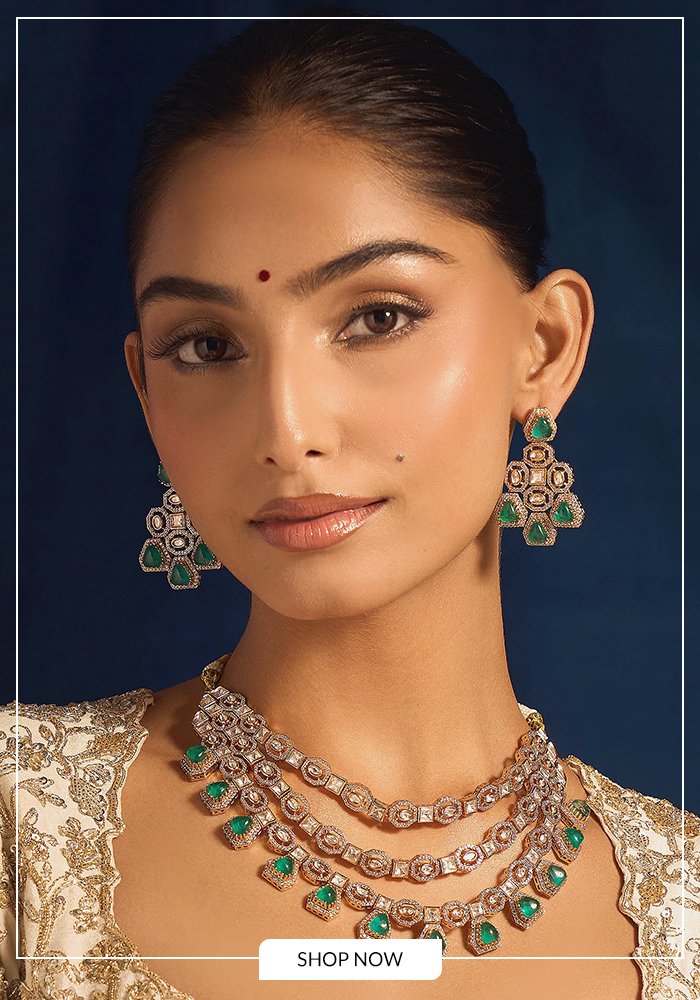
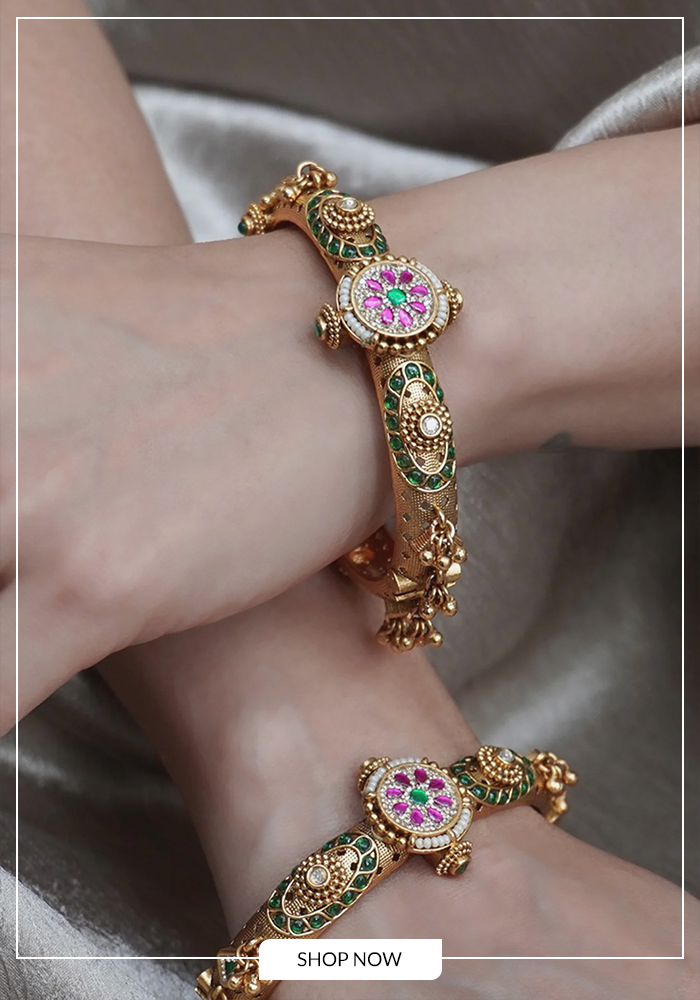
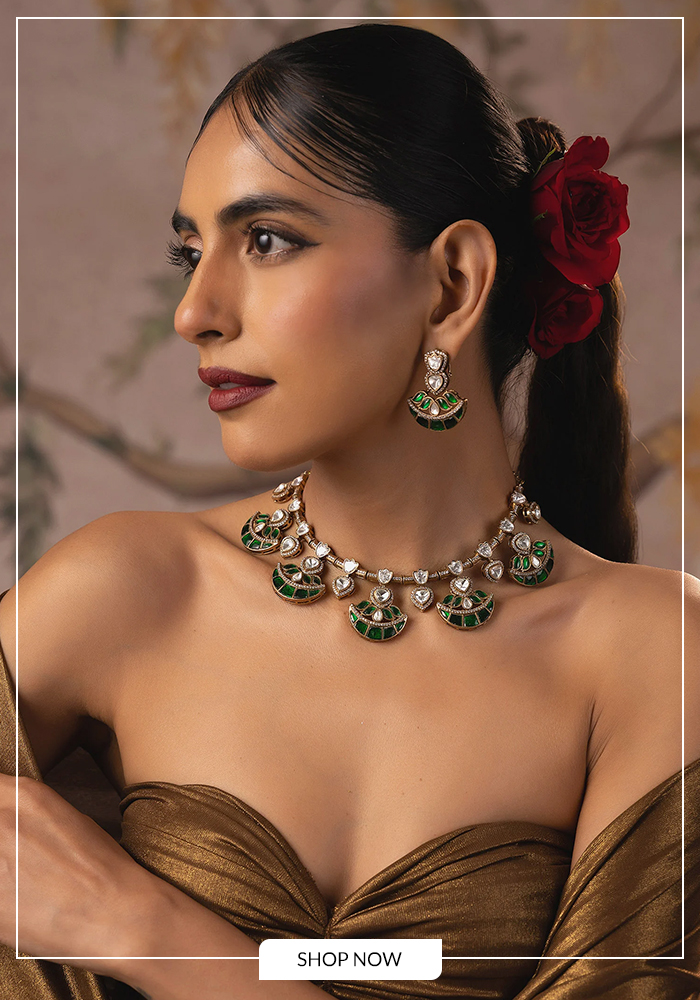
Every family has that one piece with a story attached, a diamond necklace worn by a great-grandmother, traditional Bangles gifted at a baby shower, a Polki set that's made its rounds at every wedding since 1985. Ask any elder in the family about a specific piece and watch what happens, the story practically pours out on its own. That's the thing about heirloom jewellery: you're never just wearing metal and stone. You're wearing an entire oral history.
Why Handmade Things Refuse to Die
Here's a quiet truth about craftsmanship: machine-made things fade, but hand-made things endure. Zardozi work, chikankari embroidery, gota patti detailing, and traditional handloom weaving are painstaking, slow, and deeply human processes, and that's exactly why they survive decades of wear and still look intentional, not tired.
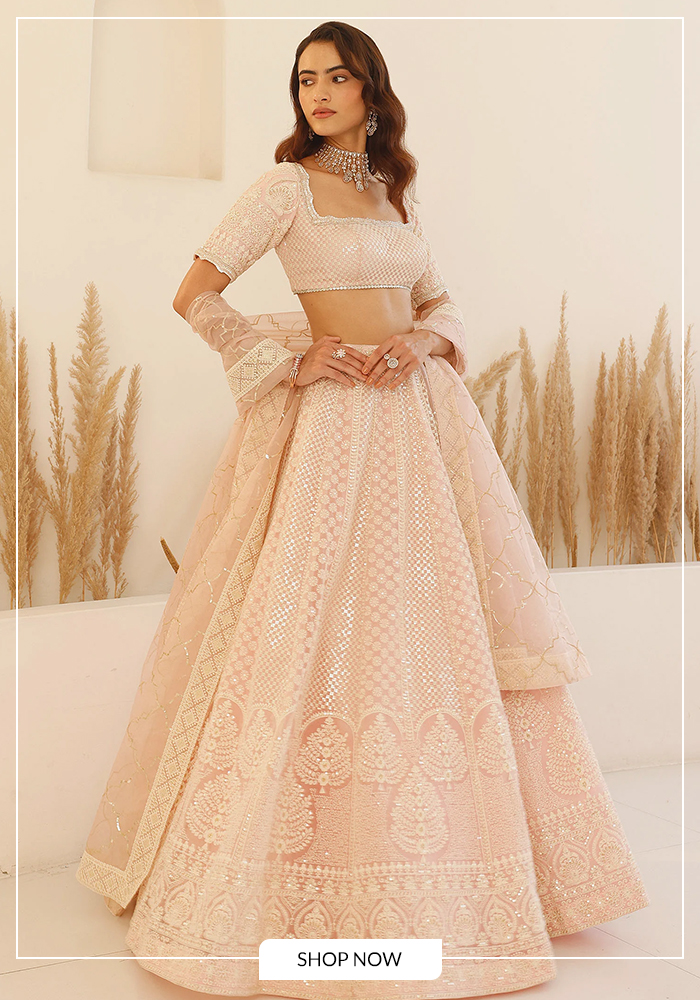
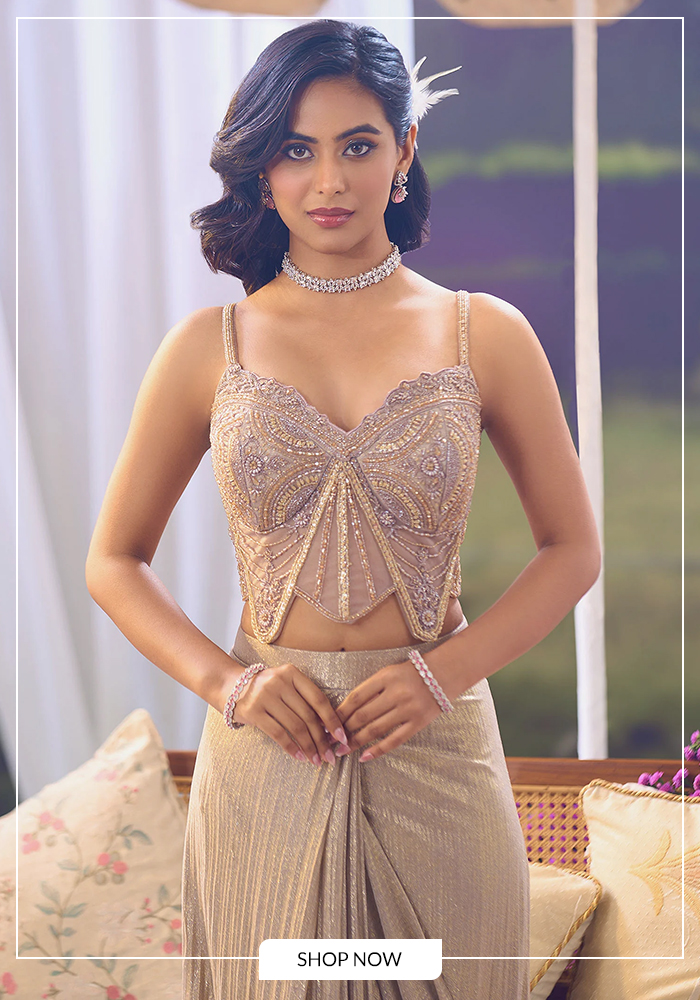
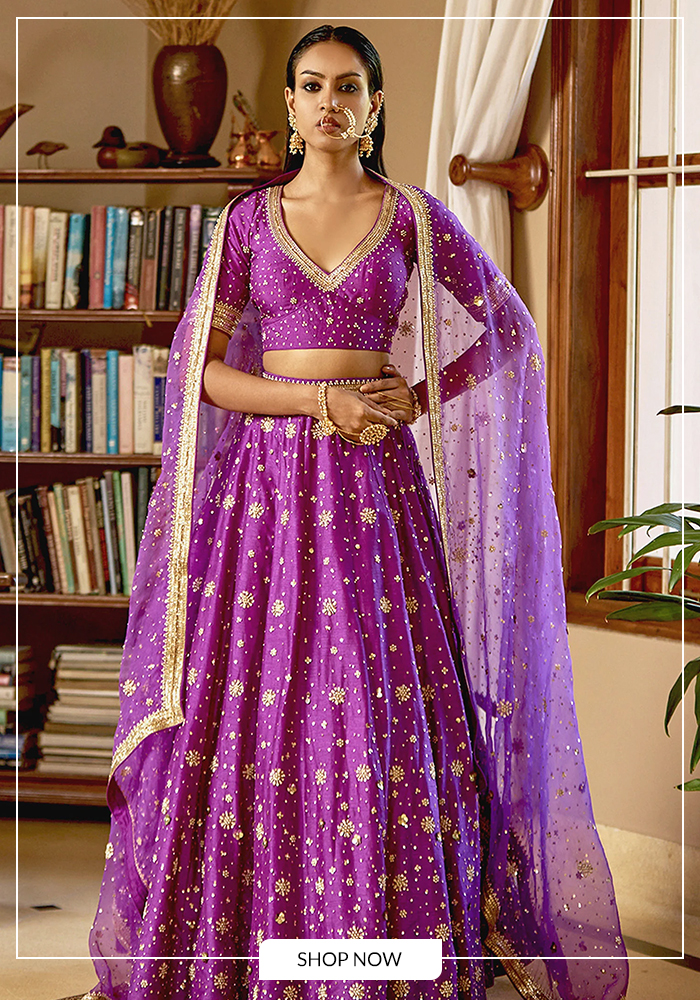
A Chikankari kurta set doesn't lose its charm after five washes; if anything, the fabric softens into something even more beautiful. A Zardozi lehenga carries hours, sometimes weeks, of hand embroidery that no factory could replicate at the same standard. Handloom sarees, embroidered dupattas, and festive kurta sets aren't just clothes families keep; they're small tributes to the artisans who made keeping them worthwhile in the first place. When you preserve a handcrafted piece, you're not just preserving fashion — you're preserving a craft tradition that took generations to perfect.
Gen Z Isn't Retiring Heirlooms; They're Remixing Them
Here's where it gets interesting. The younger generation isn't shying away from inherited fashion — they're having a full-blown love affair with it, just on their own terms. An old saree becomes the base for a contemporary blouse. Heirloom jewellery gets paired unexpectedly with sleek, modern silhouettes. Vintage pieces show up styled next to designer fusion wear, and nobody's blinking twice.
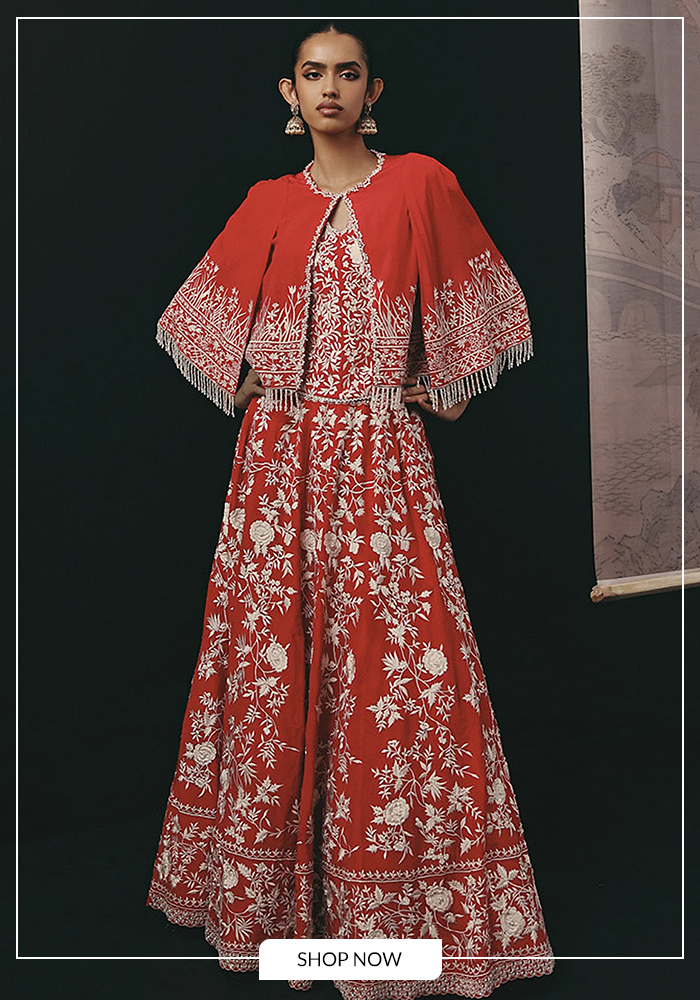
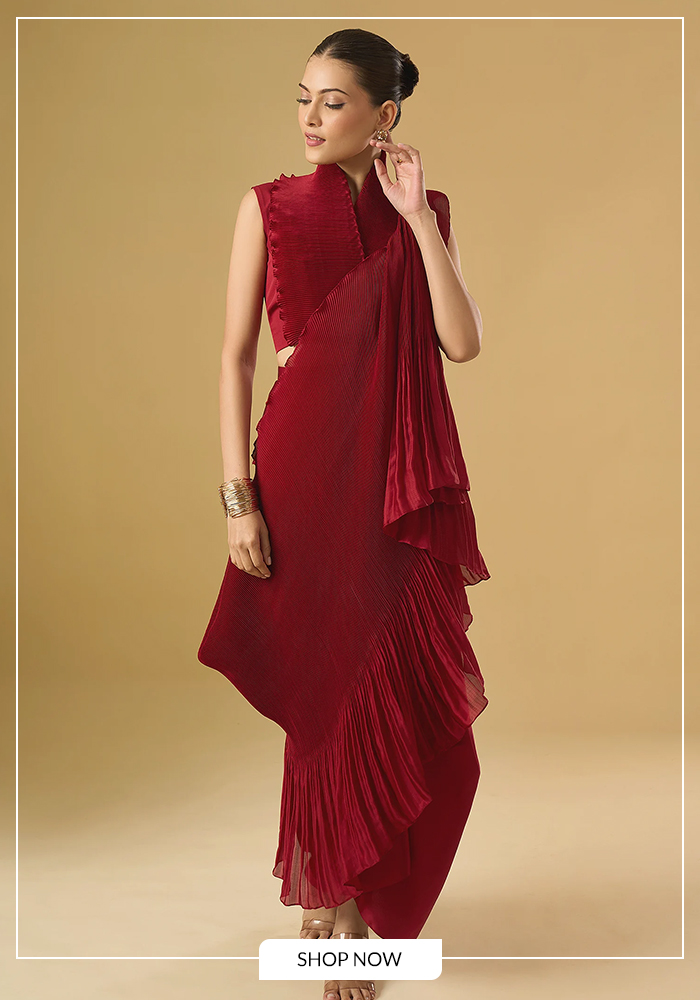
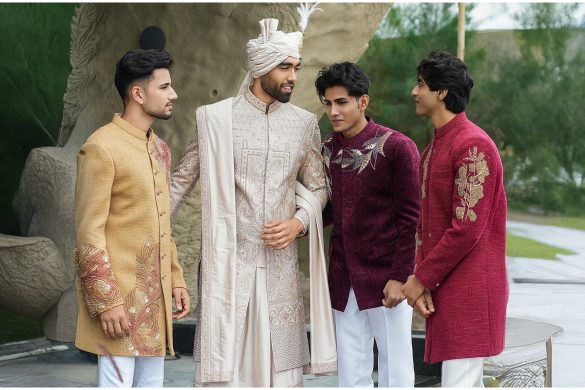
This is sentimental dressing at its most fashion-forward,cape sets layered over old drapes, jacket lehengas built around inherited fabric, contemporary blouses giving a decades-old saree a second act entirely. Millennials started the trend of rescuing mom's closet; Gen Z has turned it into an art form. Wearing a grandmother's jewellery with a completely modern outfit isn't a compromise anymore, it's the whole point.
The Ultimate Sustainable Luxury Was Sitting in the Family Almirah All Along
Long before "sustainable fashion" became a marketing line, Indian families were quietly practicing the real thing — buy less, keep more, wear it again, and again, and again. Fashion with emotional value simply doesn't get thrown away. Nobody's decluttering a mother's bridal lehenga for landfill; it's getting steamed, stored, and saved for a future that hasn't happened yet.
There's a lesson hiding in all of this: quality outlasts quantity, and a beautifully made piece — a timeless designer saree, a classic silk lehenga, a piece of handcrafted jewellery, or occasion wear built to last, will always be worth more than a dozen trend-chasing purchases that fade by next season. Passing fashion down isn't just sentimental. It's smart. It's sustainable. And it happens to look spectacular in every single generation it touches.
The Last Word
In Indian families, fashion is rarely disposable. A saree can witness three generations of celebrations. A bridal lehenga can carry decades of memories. A necklace can become a family's most treasured possession, passed hand to hand long after the person who first wore it is only a story told at dinner tables. These pieces are more than garments and accessories, they are living archives of love, heritage, and craftsmanship, proving that the most meaningful fashion is the kind that only grows more valuable with time.
This Parents' Day, maybe the best tribute isn't a new outfit at all. Maybe it's asking your mother, or grandmother, about the story behind the one she's already kept for you.