 As winter casts its gentle spell across the vibrant plains of Bengal, a unique festive spirit begins to stir. This is the season of Poush Sankranti, a harvest festival that marks the end of the Bengali month of Poush and the transition of the sun into Capricorn. More than just an astronomical event, it is a celebration deeply woven into the cultural fabric of the region, filled with warmth, family, and the delicious aroma of homemade sweets known as pithas. This guide will take you through the heart of Poush Sankranti, exploring its rich traditions, the delightful world of pithas, and how modern Bengalis celebrate this festival with a blend of heritage and contemporary style. From the significance of the harvest to dressing up for the occasion, discover why this festival is a cherished part of Bengali culture.
The Significance of Poush Sankranti
Poush Sankranti, also known as Makar Sankranti in other parts of India, is fundamentally a harvest festival. It is a time when farmers celebrate the bounty of their newly harvested rice paddy (nolen dhan) and date palm jaggery (nolen gur). The festival is a tribute to nature's generosity and a moment of gratitude for a successful harvest season. Families come together, homes are decorated, and the air is thick with joy and the sweet scent of simmering jaggery. Culturally, it represents new beginnings. The transition of the sun is seen as an auspicious time to let go of the old and welcome the new. In rural Bengal, the festival is marked by colorful fairs (melas), folk music, and traditional games. It’s a celebration that connects people to their agricultural roots and strengthens community bonds. Today, even in bustling cities, the essence of Poush Sankranti is kept alive through cherished family rituals, especially the making of pithas.The Heart of the Celebration: The Tradition of Pithas
You cannot talk about Poush Sankranti without talking about pithas. These are traditional Bengali sweet or savory cakes, dumplings, or crepes made from rice flour, coconut, milk, and the star ingredient of the season—date palm jaggery. The process of making pithas is a ritual in itself, often involving the entire family. Grandmothers pass down age-old recipes, and the kitchen becomes the warm, bustling center of the celebration. Each pitha tells a story of the region's culinary heritage. Let’s explore some of the most beloved varieties.Patishapta
A delicate, thin crepe made from rice flour and semolina, the Patishapta is filled with a delicious mixture of coconut, condensed milk (kheer), and jaggery. It is rolled up like a tiny sweet parcel and is a universal favorite for its soft texture and creamy filling.Puli Pitha
These are crescent-shaped dumplings, typically stuffed with a sweet coconut and jaggery mixture. They can be steamed, fried, or boiled. The beauty of Puli Pitha lies in its versatility.Dudh Puli
Taking the classic Puli Pitha a step further, Dudh Puli involves simmering the stuffed dumplings in a rich, thickened, and sweetened milk base. The pithas absorb the fragrant milk, becoming incredibly soft and decadent. It is the ultimate comfort food on a cold winter evening.Gokul Pitha
For those who love a bit of crunch, Gokul Pitha is the answer. Sweet discs of condensed milk and coconut are coated in a flour batter, deep-fried until golden, and then soaked in a light sugar syrup. The act of making and sharing these sweets with neighbors and friends embodies the spirit of community and togetherness that defines Poush Sankranti.Modern-Day Celebrations: Blending Tradition with Style
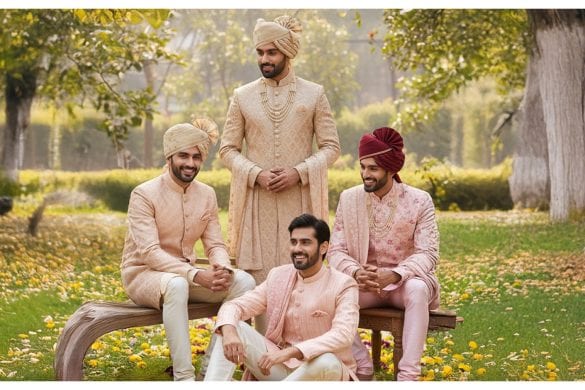
While the core traditions remain unchanged, modern celebrations of Poush Sankranti often blend the old with the new. Families living in cities might not have the luxury of a farm, but they keep the spirit alive by hosting Pitha parties or potlucks. It’s a time to reconnect with loved ones and indulge in nostalgic flavors. Festivals are also an occasion to dress up and celebrate your heritage. The right outfit can make the day feel even more special. Ethnic wear is the natural choice, combining comfort and elegance.The Timeless Saree
A saree is the quintessential choice for any Bengali festival. For Poush Sankranti, you can choose from a variety of beautiful options.
- Silk Sarees: A classic silk saree in a warm, festive color like maroon, gold, or deep green is a timeless choice. The rich texture of the fabric feels luxurious and is perfect for a family gathering.
- Organza Sarees: For a more contemporary and lighter feel, an organza saree with delicate floral prints or embroidery is a beautiful option. It’s elegant, airy, and effortlessly chic.

- Handloom Sarees: To connect with the artisanal roots of the festival, a handloom saree is a perfect choice. These sarees showcase the incredible skill of Indian weavers and carry a story of tradition in every thread.
The Effortless Kurta Set
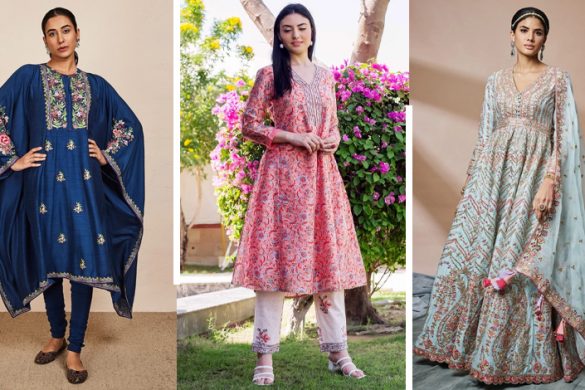
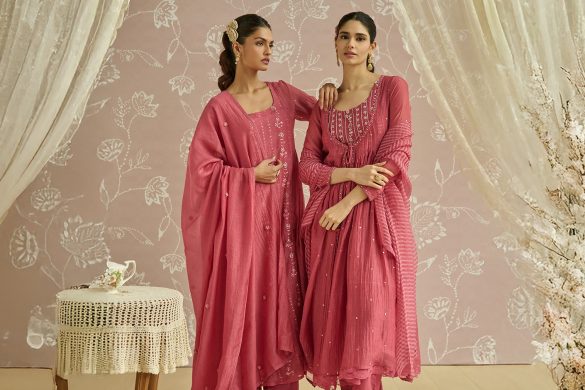
For those who prefer comfort without compromising on style, a well-fitted kurta set is an excellent alternative.- Anarkali Sets: The graceful flare of an Anarkali set is perfect for a festive occasion. Choose one in a bright, cheerful color to match the joyful mood.
- Printed Kurta Sets: A comfortable and stylish printed kurta set is ideal for a day spent with family and friends. Pair it with some statement jewelry to complete the look.