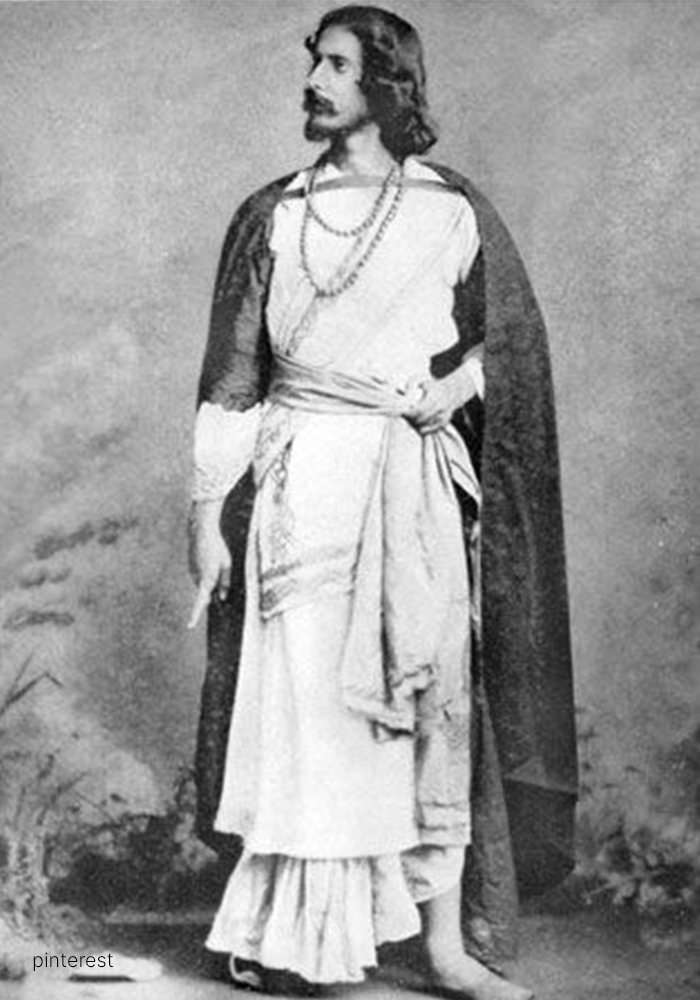
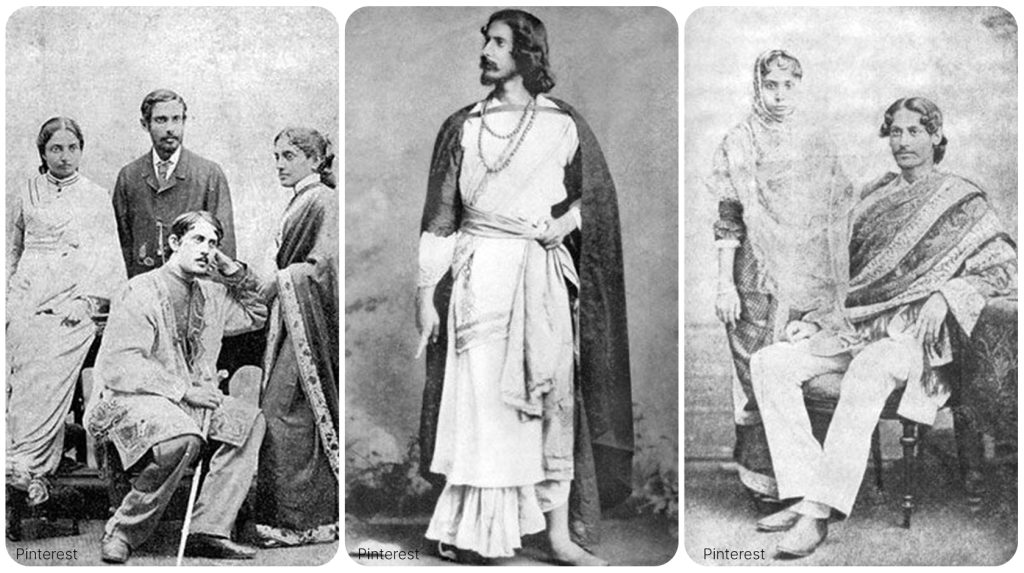
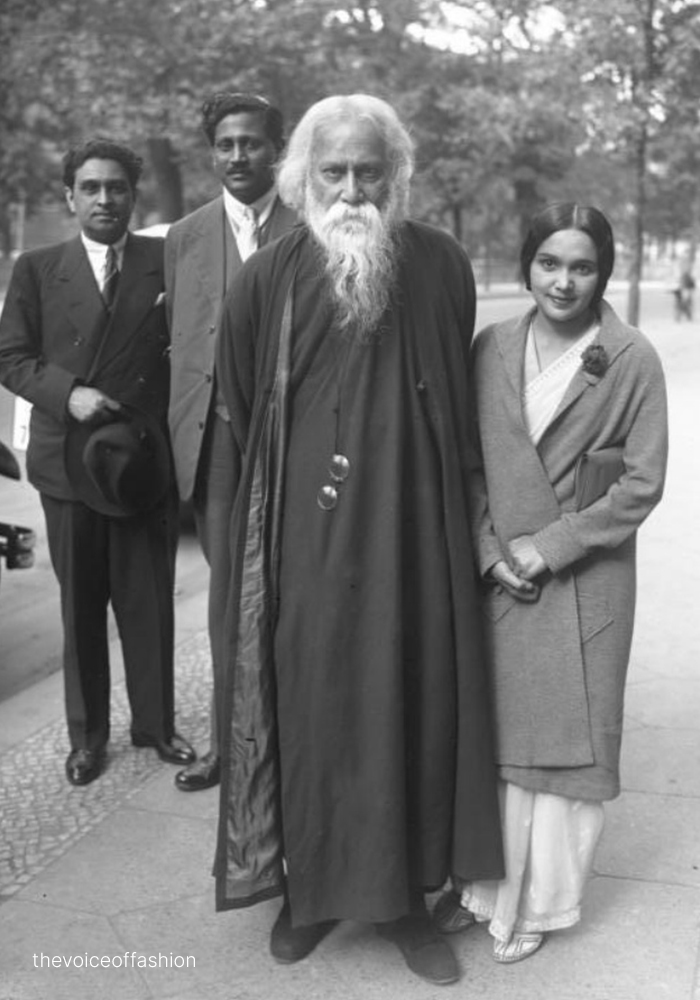
There is a photograph of Rabindranath Tagore that stops you in your tracks. He stands draped in a long, flowing robe, somewhere between a Brahmo achkan and a Greek philosopher's cloak, his beard full, his bearing unhurried, entirely himself. No borrowed Western suit. No performative tradition either. Just a man who knew, deeply, what it meant to wear one's identity.
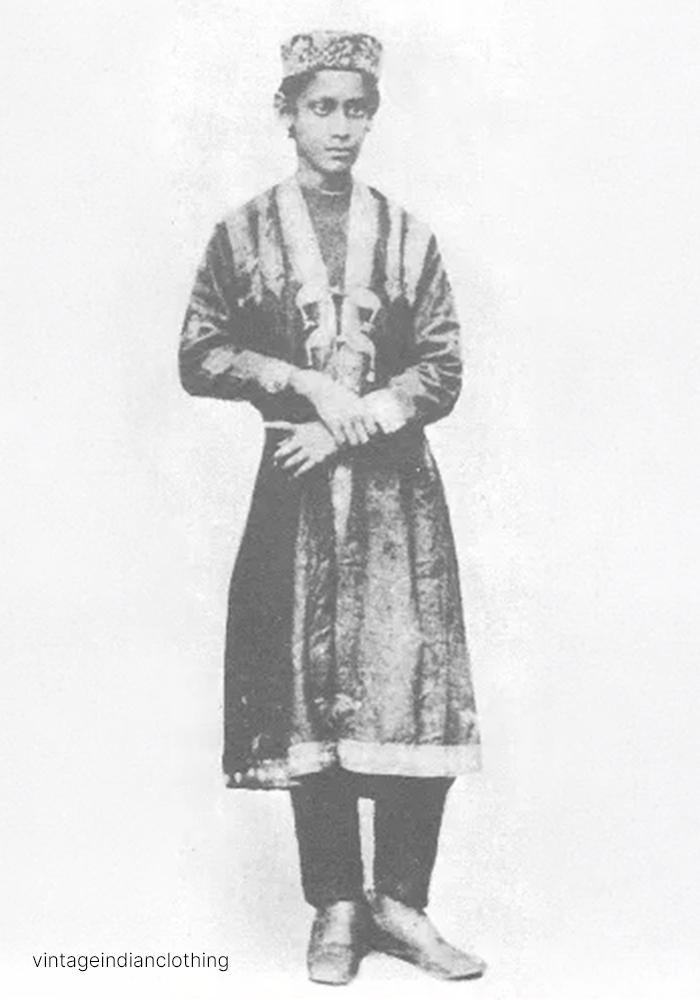
This was not an accident. This was the Tagore family.
On Rabindra Jayanti, as Bengal and the rest of India celebrate the poet, philosopher, and Nobel laureate through music, literature, and art, it feels only fitting to revisit another legacy of the Tagores that shaped the nation just as profoundly: the way they taught India to dress like itself.
In the story of Indian fashion, we often credit designers, Bollywood icons, or colonial reformers. But long before any of them, the Tagores of Jorasanko, Kolkata, one of the most intellectually and artistically restless families in Indian history — were doing something quietly radical. They were inventing a visual language for what it meant to be Indian, modern, and unapologetically both.
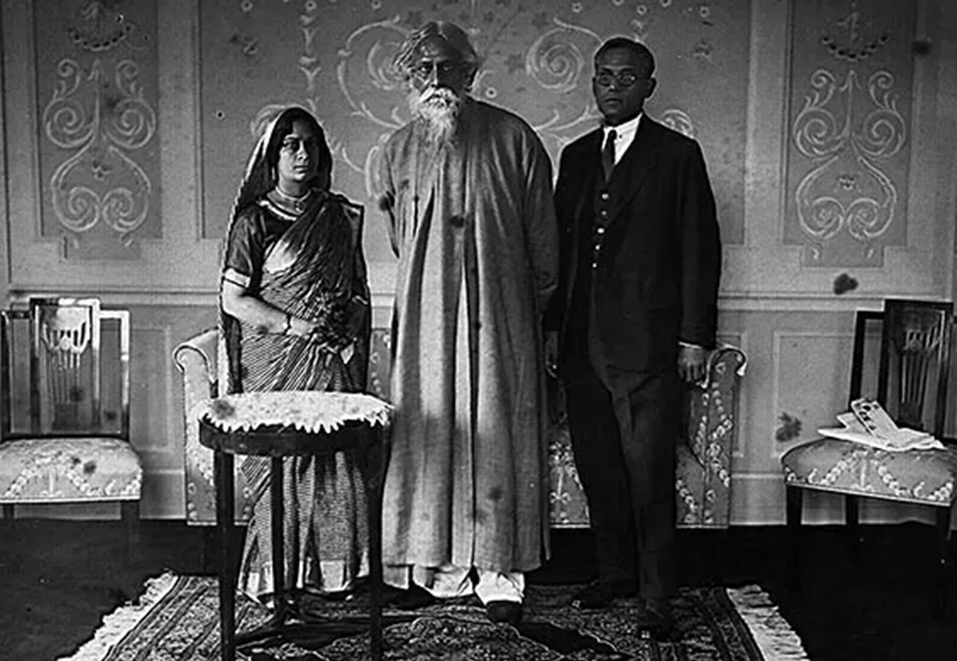
Jorasanko: A House That Dressed Differently
The Tagore ancestral home, Jorasanko Thakur Bari, was not merely a residence. It was a living, breathing salon of ideas – philosophy, music, literature, painting, theatre, and yes, dress.
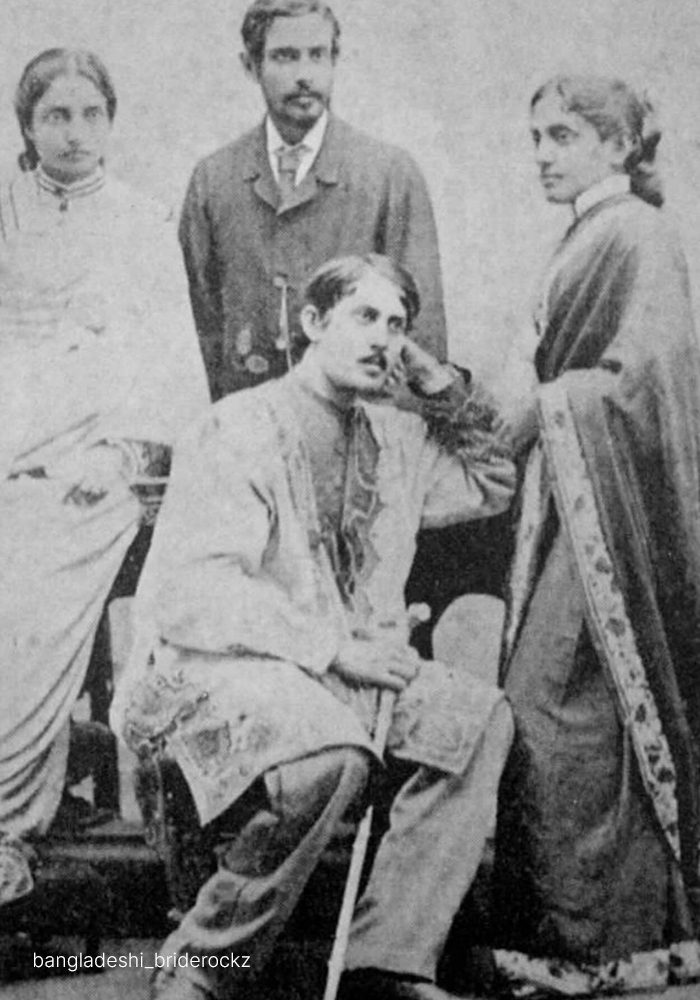
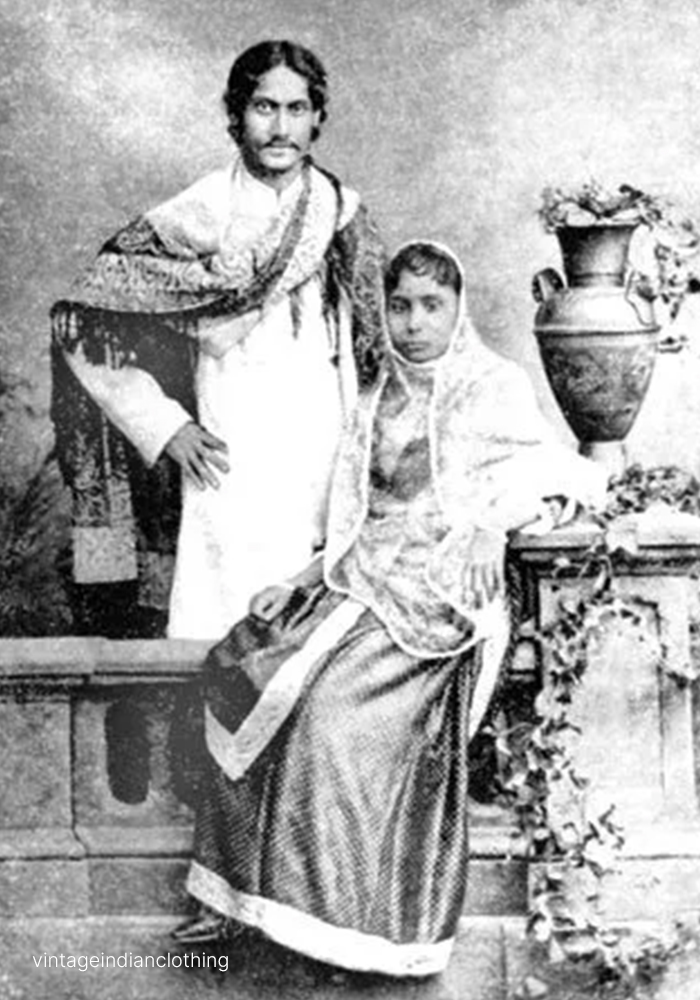
The Pirali Brahmin family had long navigated the tension between their Bengali Hindu roots and the wave of Western influence that came with British Calcutta. Their response to this tension was not surrender in either direction. It was synthesis.
The Tagores understood that clothes carry culture. What you wear tells the world who you are and who you refuse to be.
Rabindranath Tagore: The Philosopher of the Drape
Rabindranath himself was perhaps the most intentional dresser in Indian intellectual history. His sartorial choices were not vanity, they were philosophy made visible.
In an era when the Bengali babu class was rushing to wear suits and top hats to signal modernity, Tagore moved in the opposite direction. He abandoned the Western suit entirely and developed his own signature style:
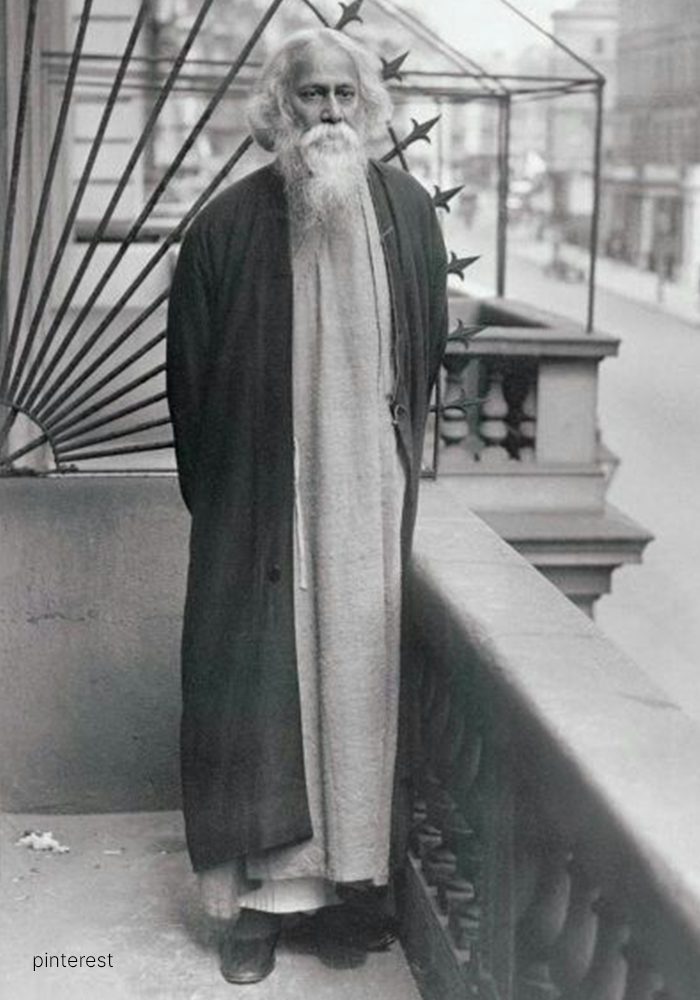
- The Jobbah (or long robe): A long, loose, often cream or muted-toned outer garment, neither fully a kurta nor a Western coat, that draped the body with monastic dignity.
- The Brahmo dhoti: Draped simply, without fuss, in the Bengali style — a quiet rejection of the overly ornate.
- Fabrics from the soil: He championed khadi and handloom Bengali cotton, connecting dress to the swadeshi spirit and to the weavers of rural Bengal.
When Tagore received the Nobel Prize in 1913, he appeared before the world not in a Western suit, as all convention demanded but in his own robes. The photograph circled the globe. The world leaned in. Here was a man from the East who had no desire to look like the West, and the West found itself fascinated.
His clothing was an argument. You do not need to become them to be respected by them.
Abanindranath Tagore: Where Art Meets Adornment
Rabindranath's nephew, Abanindranath Tagore, was the father of the Bengal School of Art. His contribution to Indian visual culture cannot be overstated, and it extended beyond canvas to the very aesthetic of how Indian art, and by extension, Indian style, was imagined.
Abanindranath and his contemporaries rejected the European academic style being taught in colonial art schools. They turned instead to Mughal miniatures, Pahari painting, Ajanta frescoes, and classical Indian iconography. In doing so, they redefined what "Indian" looked like, not a copy of the West, not a museum relic, but a living, breathing aesthetic rooted in indigenous visual traditions.
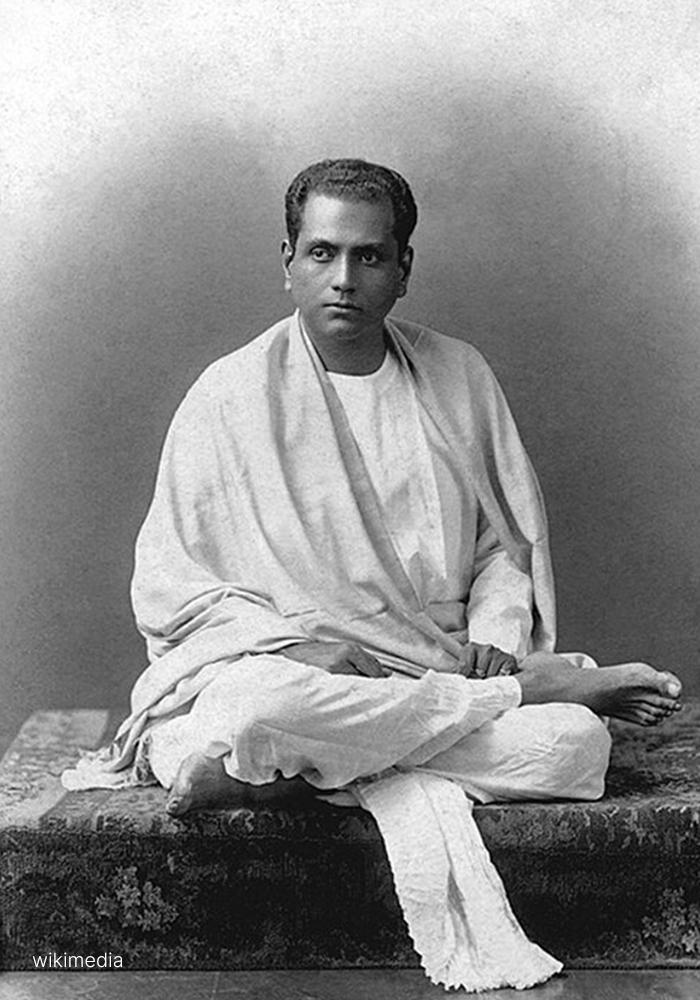
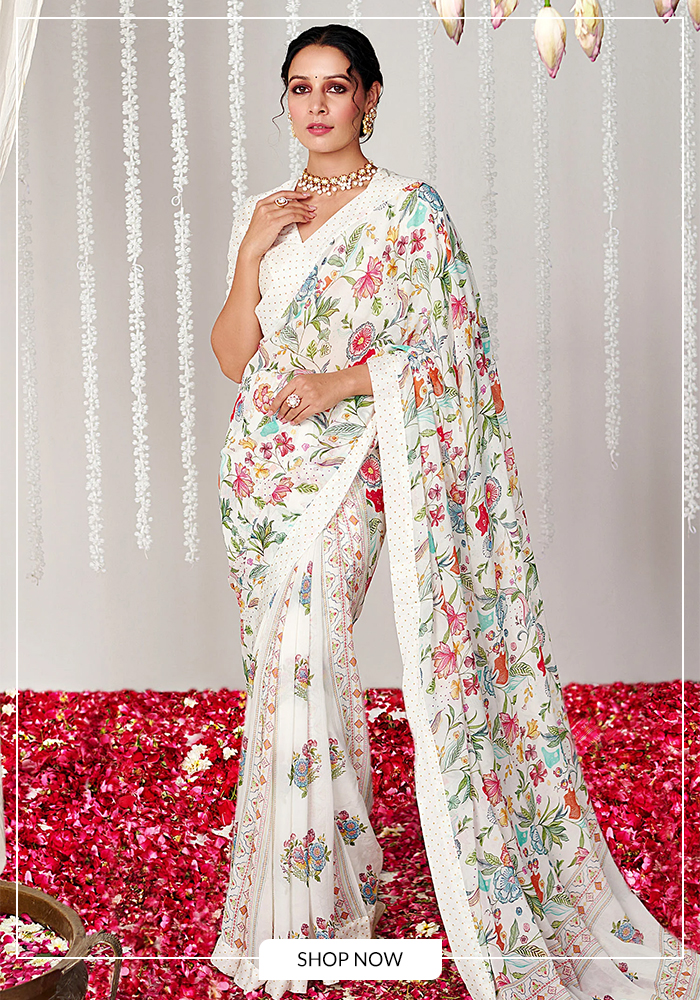
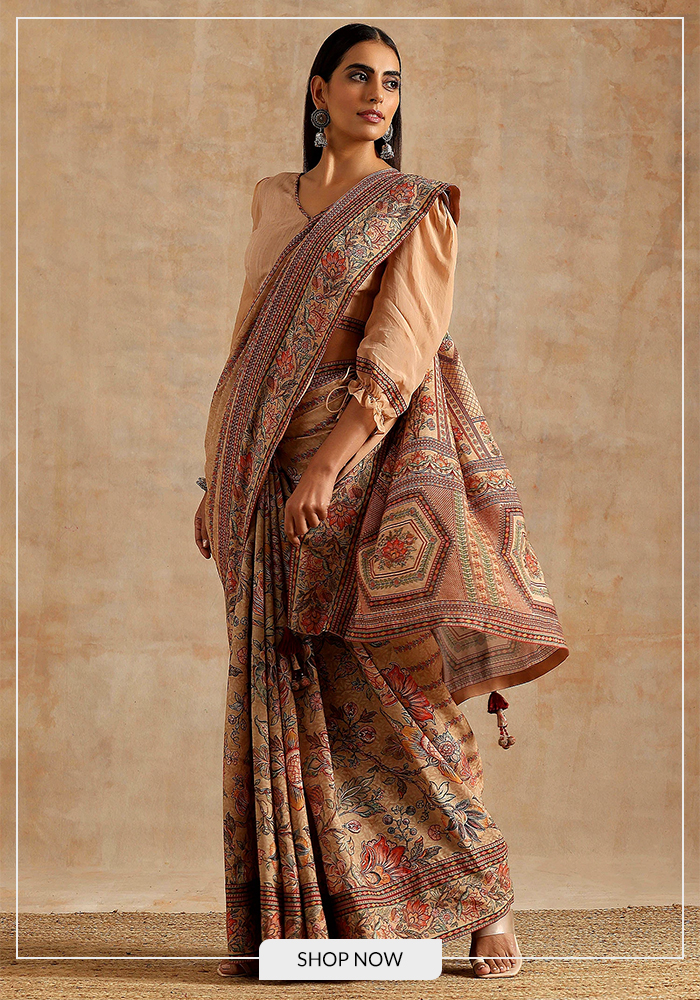
This directly influenced Indian fashion sensibility. The Bengal School paintings — with their diaphanous fabrics, graceful drapes, muted earth tones, floral motifs, and elongated figures became a visual grammar that Indian designers would draw from for generations. When you see a contemporary Indian outfit with a watercolour floral print on muslin, or a delicate jamdani weave on a flowing silhouette — you are, in some small way, wearing Abanindranath.
Swarnakumari Devi: The Woman Who Wore Her Mind
The Tagore women were no less revolutionary. Swarnakumari Devi, Rabindranath's elder sister, was the first Indian woman to publish a novel. She was a composer, a social reformer, and the founder of the Sakhi Samiti, a women's organisation.
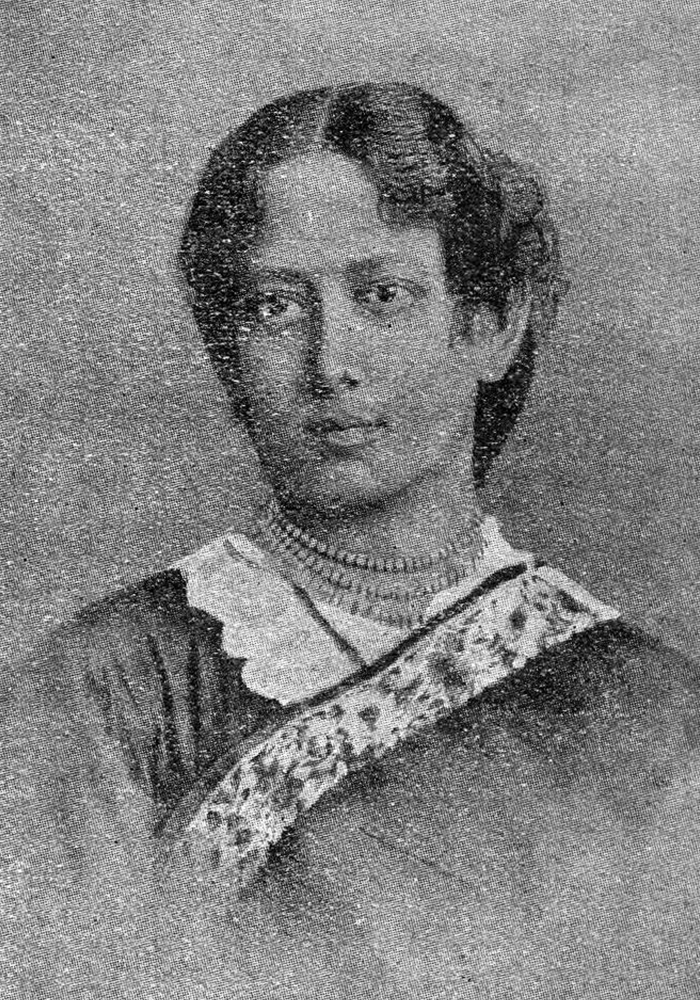
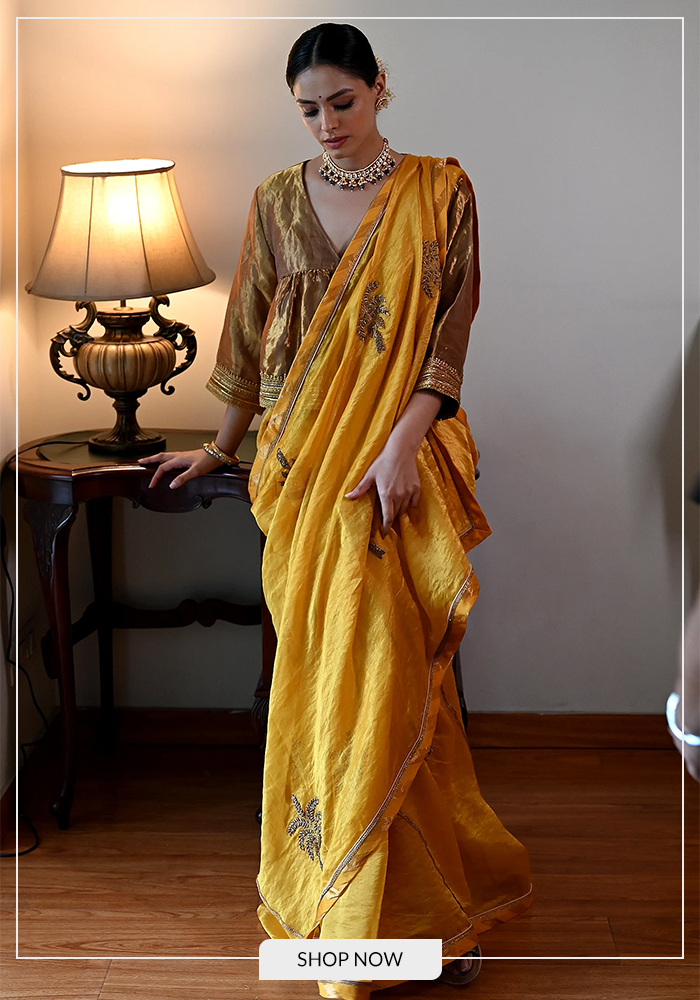
In an age when upper-class Bengali women were either draped in convention or mimicking Western dress, Swarnakumari found her own path. She wore the traditional Bengali drape — the saree with its characteristic way of being pleated and thrown over the left shoulder — but she wore it as a woman who was going somewhere. Not as a costume. As identity.
She helped normalise the idea of the educated, publicly active Indian woman as someone who could be both culturally rooted and intellectually free — and her appearance was part of that statement.

Pratima Devi: The Dancer Who Made Fabric Move
Pratima Devi, Tagore's daughter-in-law and a gifted dancer trained in Manipuri and other classical forms, embodied the Tagore aesthetic in motion. She was deeply involved in the cultural life of Shantiniketan, the university-town that Rabindranath founded as an alternative to colonial education.
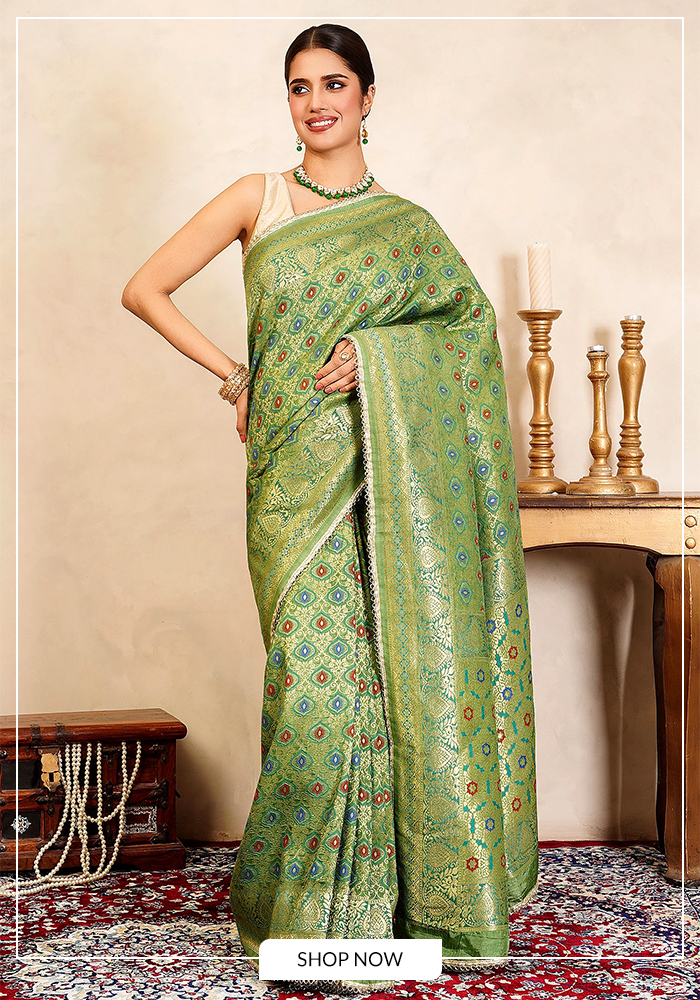
At Shantiniketan, Tagore had very specific ideas about dress. Students and faculty were encouraged to wear simple, handwoven Indian fabric. Women wore sarees draped in a distinctive Shantiniketan style, a synthesis of regional Indian traditions, worn loosely, practically, with a certain unpretentious grace. A flower in the hair rather than elaborate jewellery. Bare feet or simple sandals on red earth.
This Shantiniketan aesthetic, sometimes called the Rabindrik style, became enormously influential. It was India's first true "lifestyle aesthetic" rooted not in royal courts or Western fashion houses but in the idea of a life lived thoughtfully, beautifully, and simply.
Jnanadanandini Devi: The Woman Who Rewrote the Saree
If Rabindranath Tagore gave Indian menswear a philosophical spine, Jnanadanandini Devi gave Indian womenswear its modern silhouette.
Married to Satyendranath Tagore (the first Indian to enter the Indian Civil Service), Jnanadanandini moved between Calcutta, Bombay, and colonial social circles at a time when upper-caste Bengali women were still largely confined to the inner quarters of the home. She faced a very real, practical question: what does an Indian woman wear when she steps into the public world?
The traditional Bengali atpoure saree, while elegant, was not designed for mobility in mixed social spaces. It lacked structure, ease, and the kind of drape that allowed a woman to move, travel, and participate freely.
Jnanadanandini’s answer was nothing short of revolutionary.
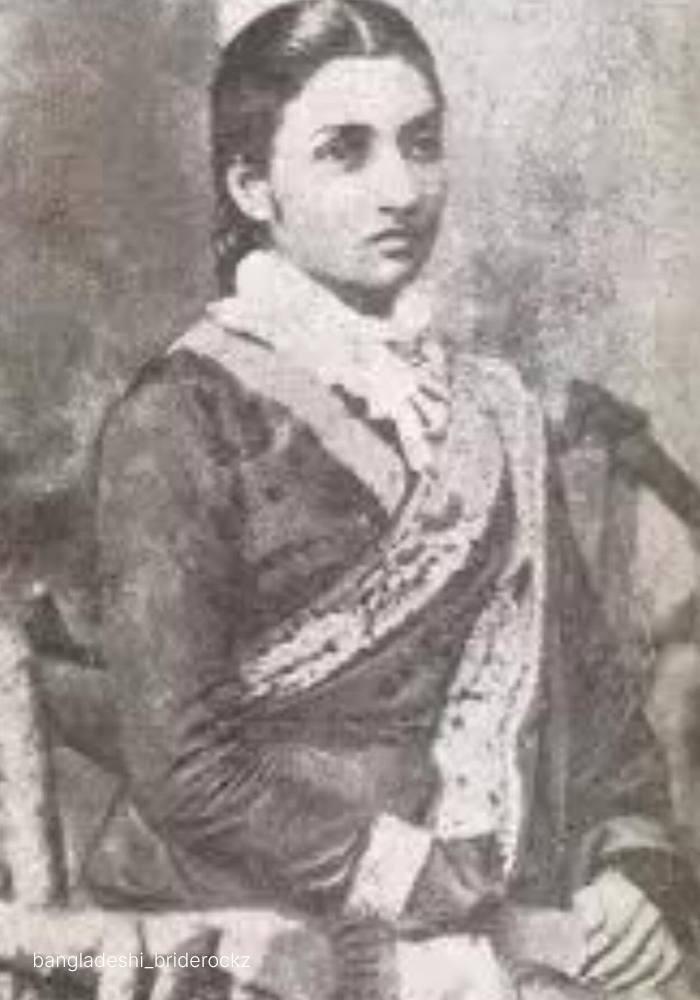
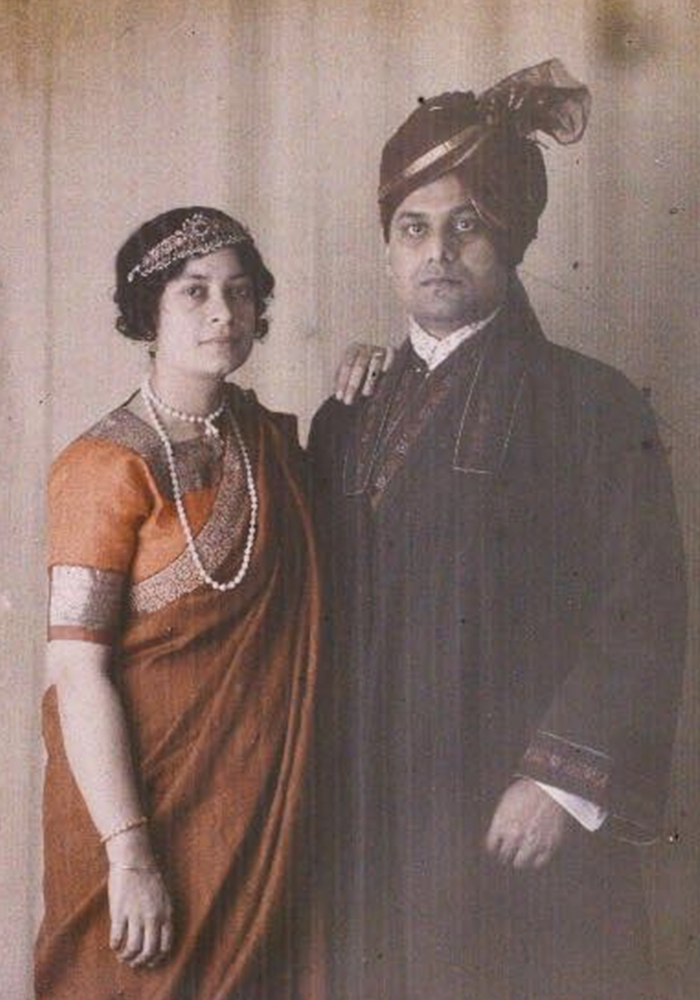
She introduced what would come to be known as the Brahmika saree drape — a structured, hybrid style influenced by Parsi and European dressing sensibilities but rooted firmly in the saree itself.
- The saree was pleated in the front, allowing ease of movement
- The pallu was brought over the left shoulder, often pinned — a gesture of both modesty and practicality
- Most importantly, she popularised the blouse and petticoat combination, transforming the saree into a complete, functional ensemble for the modern Indian woman
This was not just a styling tweak. It was a social intervention.
For the first time, the saree became a garment that could move with a woman into the world — into railway journeys, public gatherings, intellectual spaces, and cross-cultural encounters. The way millions of Indian women drape a saree today, across regions and classes, carries the imprint of Jnanadanandini’s innovation.
Like the rest of the Tagore family, she was not imitating the West — she was negotiating with it, extracting what was useful, and reshaping it into something distinctly Indian.
Her sartorial choices said: modernity is not about abandoning who you are; it is about making your identity work in every room you enter.
Tagore and Handloom: A Political Act, A Fashion Statement
Running through every sartorial choice in the Tagore family was one consistent, conscious thread: handloom fabric. Tagore was a passionate advocate of the swadeshi movement and a deep believer in the connection between the weaver and the culture they sustain.
He wrote about it. He wore it. He made it the dress code of Shantiniketan.
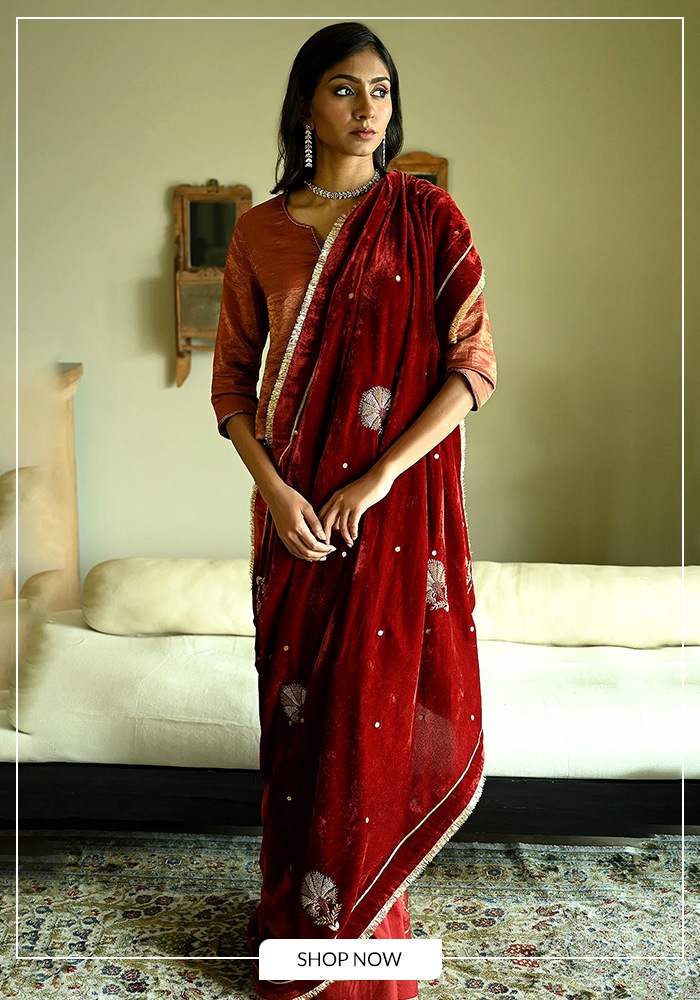
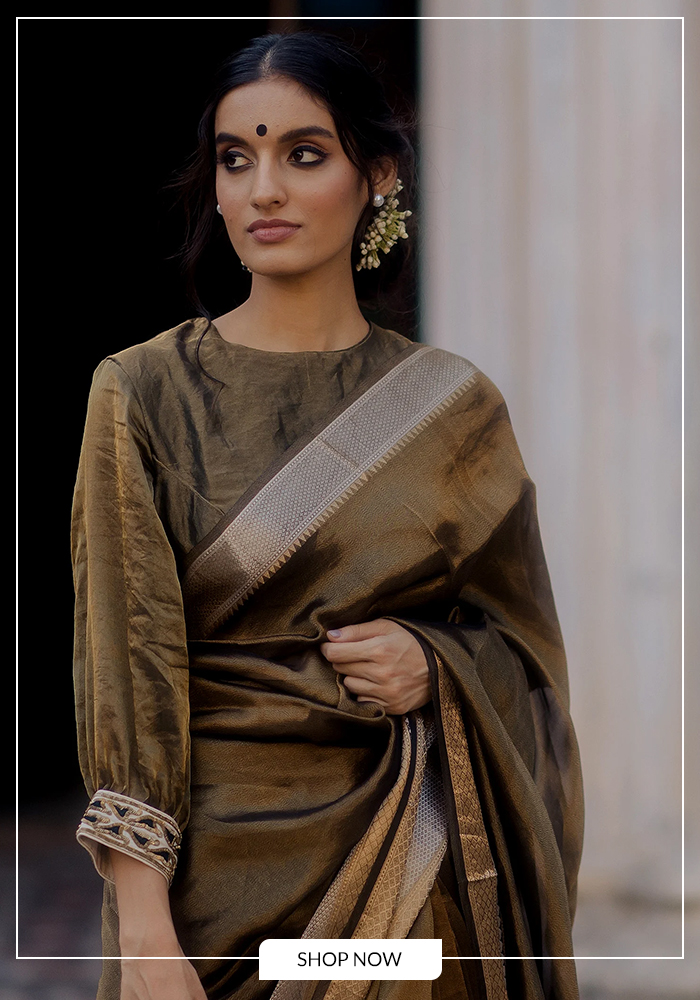
The fabrics he championed — Jamdani, Tant, Muslin, Khadi, and Baluchari, are not merely beautiful textiles. They are entire ecosystems of skill, passed through generations of Bengali weavers. To wear them is to participate in a living tradition.
This is perhaps the most urgent Tagore fashion lesson for our time: your clothes are a vote. When you choose handloom over fast fashion, you are doing something Tagore would recognise, you are refusing to let commerce flatten culture.
The Enduring Lesson
The Tagores did not create a fashion brand. They created a fashion conscience. They asked — loudly, through their lives and their dress — what it means to be rooted in a culture without being imprisoned by it. What it means to be modern without being colonised. What it means to be beautiful without being vain.
More than a century later, Indian fashion's most interesting conversations — about handloom versus fast fashion, about regional identity, about what "Indian aesthetic" even means — are still happening in the shadow of those questions the Tagores first posed.
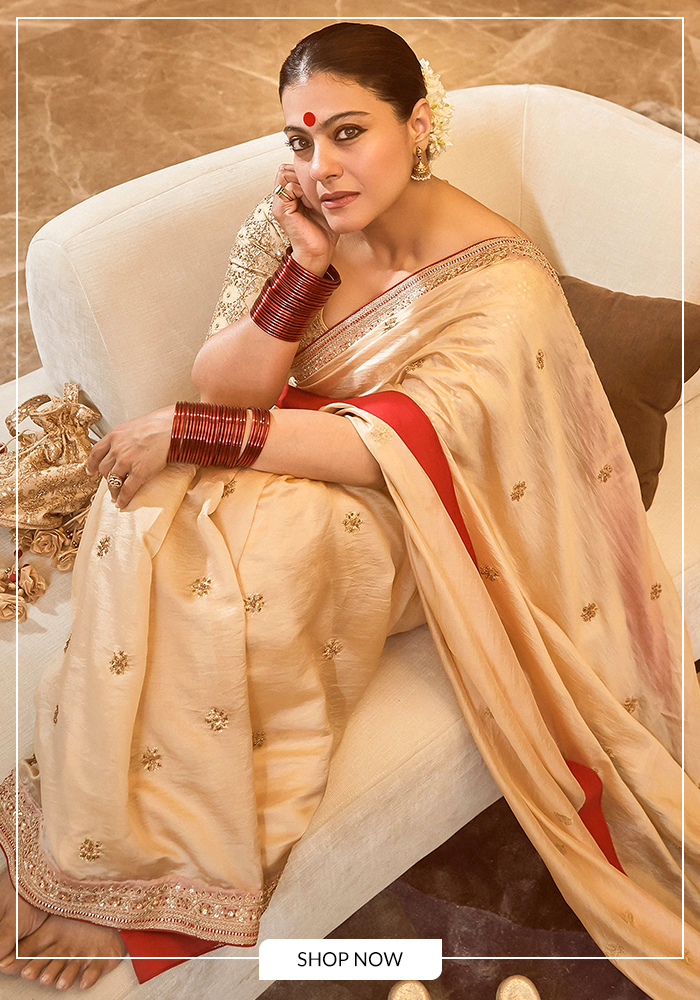
On this Rabindra Jayanti, when you put on your white saree with the red border, or your simple khadi kurta, or drape a jamdani across your shoulder, you are not merely dressing for an occasion.
You are answering a question Tagore left open.
Wear it well.
Ekla cholo re. Walk alone if no one answers your call. But dress like yourself, always.