In the dusty, sun-baked village of Nirona in Kutch, Gujarat, an art form so rare and magical exists that it teeters on the edge of extinction. This is Rogan painting, a 300-year-old craft of painting on cloth that is practiced by only one family in the entire world.
It is an art of pure imagination, where intricate designs are spun from a thread of paint onto fabric without any prior sketching. The process is so unique and the results so stunning that it seems to defy logic. The designs are often so perfectly symmetrical that it looks like they were created with a mirror, yet it is all done by hand.
This guide will introduce you to the mesmerizing world of Rogan art, from its secret Persian origins and complex technique to its journey from a small village in Kutch to the walls of the White House.
What is Rogan Painting?
Rogan painting is a traditional art form of decorating fabric using a thick, brilliantly colored paint made from castor oil. The word "Rogan" itself is Persian for "oil-based," pointing to the key ingredient that makes this art form unique.
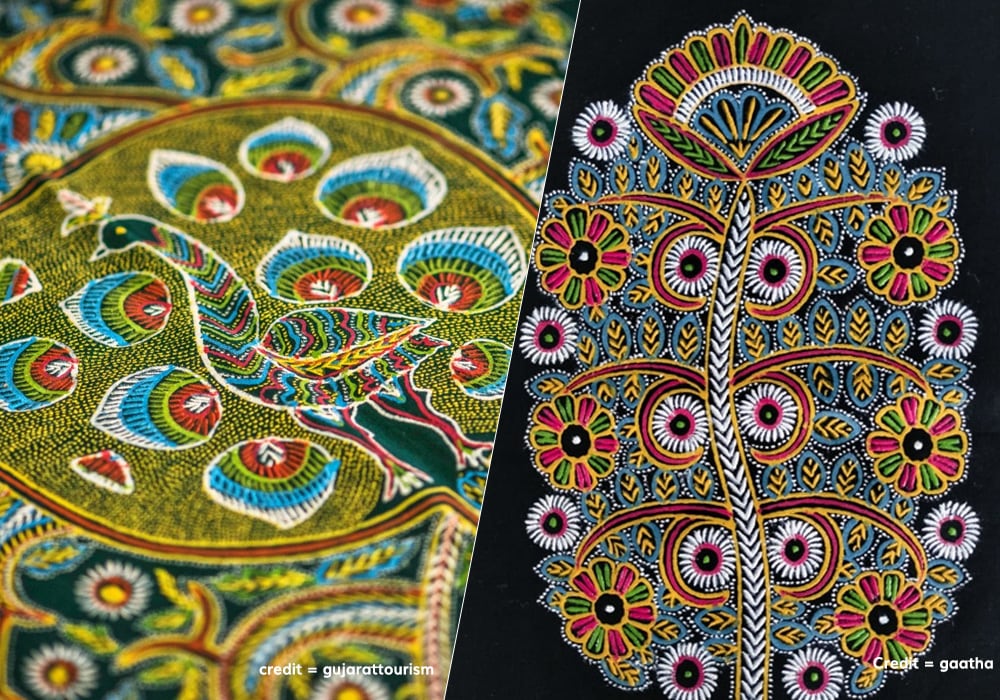
Unlike block printing or embroidery, Rogan is a form of freehand painting. The artisan uses a metal stylus to pull a fine, thread-like strand of paint from their palm and lay it onto the fabric, creating intricate motifs. The paint sits on the surface of the cloth, creating a beautiful embossed, high-gloss effect that almost looks like leather or enamel.
From Persia to Kutch: The Khatri Family's Legacy
The story of Rogan art is a tale of migration and preservation. It is believed to have originated in Persia several centuries ago. Around 300 years ago, it traveled to the Kutch region of Gujarat, finding a home with the Khatri community in the village of Nirona.
For generations, many families practiced this craft. However, with the rise of cheaper, machine-made textiles, the demand for this slow, labor-intensive art form dwindled. One by one, the families abandoned the craft, seeking other livelihoods.
Today, Rogan art is practiced by just one extended family: the family of Abdul Gafur Khatri. He and his relatives are the sole custodians of this ancient tradition. Realizing the art form was on the verge of extinction, Gafur Bhai took a revolutionary step—he decided to teach the art to the women of his household, breaking a centuries-old tradition where only men were allowed to practice it. This decision has been crucial to its survival.
The Secret Technique: How Rogan Art is Made
The process of creating a Rogan painting is a closely guarded family secret, passed down from one generation to the next. It is a dangerous and painstaking process that requires immense skill and patience.
1. Creating the "Rogan"
The journey begins with castor oil.
Boiling the Oil: The artisans heat castor oil in a vessel over a fire for two to three days. This is an extremely hazardous process that must be done outdoors. The oil has to be constantly stirred to prevent it from catching fire.
Creating the Gel: The oil is heated until it becomes a thick, honey-like golden-brown substance. This is the base, or "Rogan."
2. Adding the Color
The Rogan gel is then mixed with natural pigments.
The artisans create their own colors by grinding minerals into a fine powder.
This colored powder is hand-crushed into the Rogan gel with a stone pestle until the two are completely blended. The result is a thick, vibrant, and stretchy paint.
3. The Painting Process
This is where the real magic happens.
The artisan places a small lump of the colored Rogan paint on their palm.
They use a metal stylus, called a kalam, to warm the paint by swirling it vigorously on their palm. This friction makes the paint pliable.
A fine, thread-like strand of paint is then pulled from the lump using the stylus. The artisan expertly guides this "thread" onto the fabric, twisting and turning the stylus to create intricate patterns. The entire design is created freehand, from memory and imagination.
4. The Mirror Image Effect
To speed up the process and create perfect symmetry, the artisans use a clever technique. After painting a motif on one half of the fabric, they fold the fabric over and press it gently. The paint transfers to the other side, creating a perfect mirror image. This is a signature feature of Rogan art.
The paint takes time to dry, and depending on the complexity of the design, a single piece of art can take anywhere from a few days to several months, or even years, to complete.
Design Elements: The Tree of Life and More
The motifs in Rogan painting are deeply influenced by Persian art and the folk culture of the Kutch region.
The Tree of Life: This is the most iconic motif in Rogan art. It is a highly intricate design depicting a tree with detailed flowers, leaves, and birds. It symbolizes life, growth, and the connection between heaven and earth.
Geometric and Floral Patterns: Traditional motifs include flowers (phool), three-dot patterns (trikhani), and wavy borders (vesun).
The Color Palette: The colors are vibrant and bold. The traditional palette includes bright yellow, red, blue, green, white, and orange, all set against a dark fabric background to make the colors pop.
Rogan Painting Today: A Global Revival
For an art form practiced by a single family in a remote village, Rogan painting has achieved remarkable global recognition.
From Nirona to the White House
The art form gained international fame when Indian Prime Minister Narendra Modi gifted a stunning Rogan painting of the "Tree of Life" to then-US President Barack Obama in 2014. This single event brought the world's attention to Nirona and the Khatri family.
A Beacon of Sustainable Art
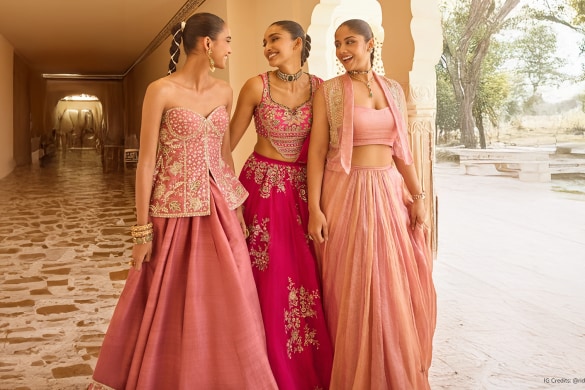
In an age of fast fashion, Rogan art stands as a symbol of sustainable and slow craftsmanship. The use of natural materials and the entirely handmade process appeal to a growing audience of conscious consumers. Fashion designers and students are collaborating with the Khatri family to incorporate Rogan art into contemporary fashion, creating jackets, sarees, and wall hangings.
Despite this recognition, the future of the art form remains fragile. It depends entirely on the dedication of this one family and their ability to pass the skills on to the next generation.
Conclusion
Rogan painting is more than just an art form; it is a story of survival, resilience, and the incredible power of tradition. It is a testament to the skill of the Khatri family, who have single-handedly saved a 300-year-old legacy from disappearing forever.
When you see a piece of Rogan art, you are not just looking at a decorated cloth. You are looking at a piece of history, a secret formula of castor oil and earth, and the free-flowing imagination of an artist who paints without a sketch. It is a piece of wearable magic, spun from a thread of paint, in a tiny village that holds one of the world's most precious artistic secrets. Supporting this art is supporting a living, breathing miracle of human creativity.