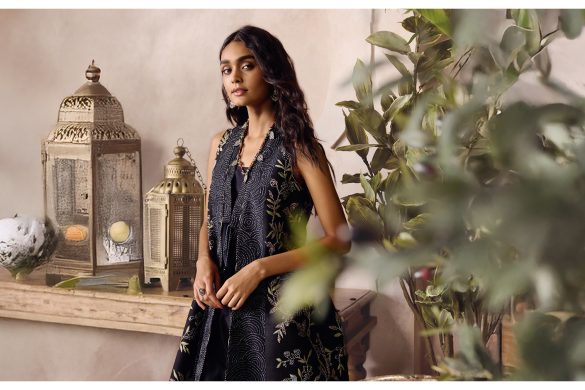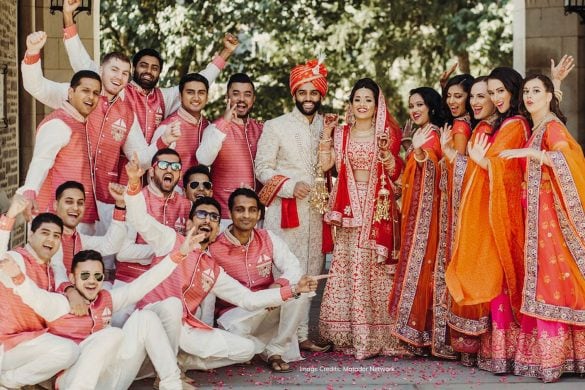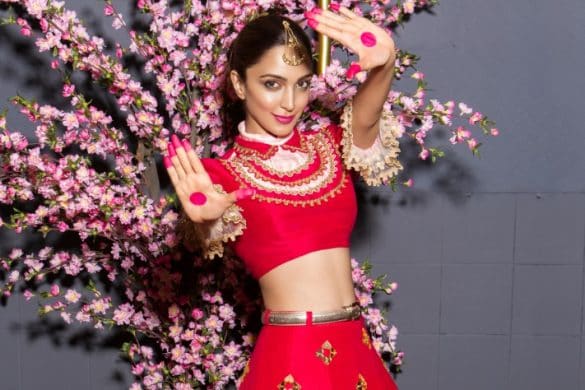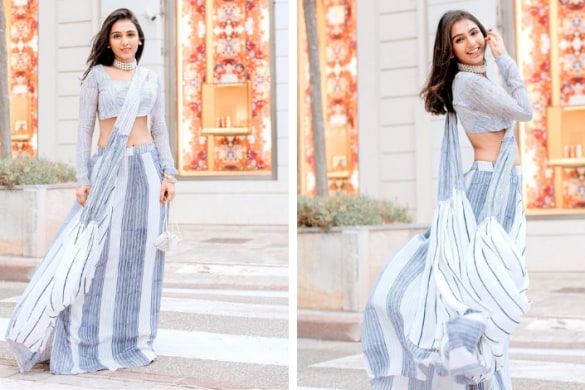
In a world dominated by fast fashion and machine-made textiles, there's a unique magic in a piece of fabric woven by hand. Indian handloom fabrics are more than just textiles; they are stories, traditions, and legacies woven into every thread. Each region of India boasts its own unique weaving technique, passed down through generations of skilled artisans. These fabrics are a testament to a rich cultural heritage, celebrated for their intricate designs, vibrant colors, and unparalleled texture.
For fashion lovers across the globe, from the USA to the UK and India, discovering these handlooms is like uncovering hidden treasures. They offer a connection to history and an opportunity to wear something truly special. A handloom garment is not just a piece of clothing; it's a wearable work of art.
This guide will take you on a journey through the most iconic handloom fabrics of India. We will explore their origins, what makes them unique, and how they are being adapted for the modern wardrobe. Whether you're a connoisseur of textiles or simply looking to add a touch of authentic luxury to your style, this is your introduction to the vibrant world of Indian handlooms.
What Exactly is a Handloom Fabric?
A handloom fabric is any textile that is woven on a manually operated loom. Unlike power looms, which are automated and mass-produce fabric, handlooms are operated by the weaver's own skill and effort. This process is slower and more labor-intensive, but it results in a fabric with a unique character, a softer feel, and slight imperfections that are considered part of its beauty. Supporting handlooms means supporting artisan communities and preserving ancient crafts.
Iconic Handloom Fabrics You Should Know
India's textile map is vast and diverse. Here are some of the most celebrated handloom fabrics that have captivated fashion enthusiasts worldwide.
1. Banarasi Silk: The Weave of Royalty
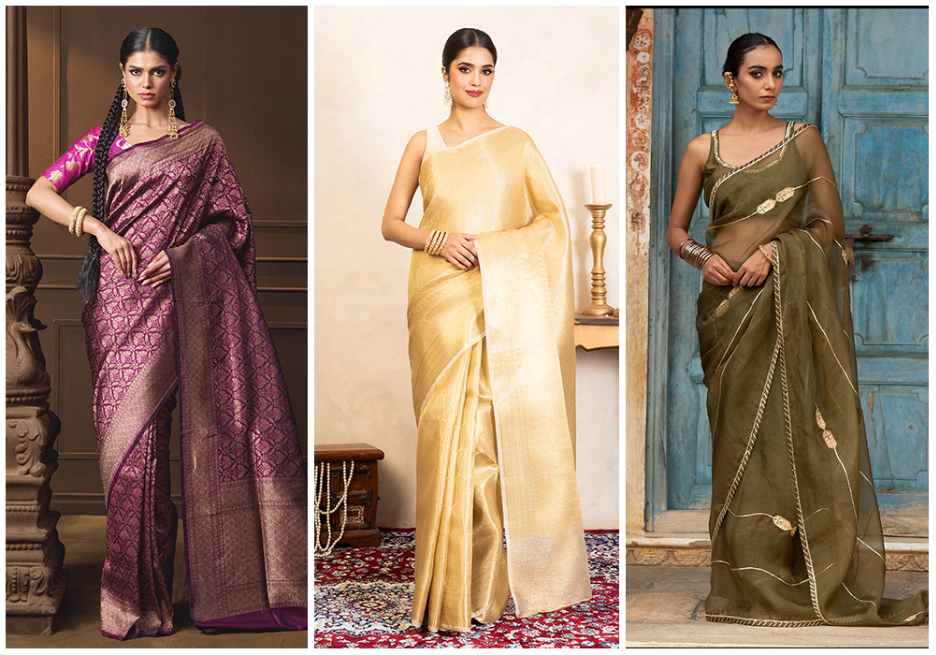
Originating from the holy city of Varanasi (Banaras), Banarasi silk is the epitome of opulence. These sarees are renowned for their fine silk, intricate brocade work, and motifs inspired by Mughal art.
- Origin: Varanasi, Uttar Pradesh.
- Unique Characteristics: Banarasi fabric is known for its gold and silver zari (brocade) work, featuring elaborate floral patterns (Jangla), intertwining vines, and delicate leaf motifs. The fabric is heavy, rich, and has a regal drape.
- Modern Usage: While traditionally used for traditional Indian sarees, Banarasi fabric is now used to create stunning lehengas, jackets, and even home décor. A Banarasi jacket paired with simple trousers is a perfect fusion look.
- Styling Tip: A Banarasi silk saree is a statement piece for weddings and grand celebrations. Let the fabric be the hero by pairing it with classic Polki or Temple jewelry.
2. Kanjeevaram Silk: The Pride of the South
Hailing from the temple town of Kanchipuram in Tamil Nadu, Kanjeevaram silk sarees are known for their durability, vibrant colors, and temple-inspired motifs. They are a cherished part of a South Indian bride's trousseau.
- Origin: Kanchipuram, Tamil Nadu.
- Unique Characteristics: What makes Kanjeevaram unique is its weaving technique. The border and the body of the saree are woven separately and then interlocked in a method called korvai. The silk used is pure mulberry silk, making the fabric heavy and lustrous. Motifs often include peacocks, parrots, temple towers, and scenes from ancient epics.
- Modern Usage: Beyond sarees, Kanjeevaram fabric is used for tailored blazers, elegant gowns, and luxurious lehengas, showcasing its versatility.
- Styling Tip: A Kanjeevaram saree is best paired with traditional gold Temple jewelry. The contrast between the rich silk and the antique gold creates a timeless and divine look.
3. Chanderi: Woven Air
From the heart of Madhya Pradesh comes Chanderi, a fabric so light and sheer it was once famously described as "woven air." It's known for its glossy transparency and feather-light feel.
- Origin: Chanderi, Madhya Pradesh.
- Unique Characteristics: Chanderi is woven with a blend of silk and cotton, giving it a unique sheer texture and a subtle sheen. Traditional motifs include gold coins (ashrafi butti), peacocks, and geometric patterns hand-woven into the fabric.
- Modern Usage: Chanderi is a favorite among contemporary designers for creating everything from breezy kurtas and tunics to elegant dresses and sarees. It's a popular choice for summer festive wear.
- Styling Tip: The lightweight nature of Chanderi makes it perfect for layering. Pair a Chanderi kurta with straight-leg pants and a delicate organza dupatta for a sophisticated daytime look.
4. Maheshwari: Simple and Elegant
Another gem from Madhya Pradesh, Maheshwari fabric originated in the town of Maheshwar. Legend says it was first designed by Queen Ahilyabai Holkar herself. It is known for its simplicity and elegant drape.
- Origin: Maheshwar, Madhya Pradesh.
- Unique Characteristics: Maheshwari fabrics are lighter than Chanderi and are characterized by their reversible borders, which can be worn on either side. The designs are often simple, featuring stripes, checks, and small floral patterns. The pallu of a Maheshwari saree typically has five stripes.
- Modern Usage: Its breathable nature makes it ideal for everyday wear, including kurtas, dupattas, and lightweight sarees perfect for office wear.
- Styling Tip: A Maheshwari saree paired with oxidized silver jewelry creates a chic, earthy look that is both professional and stylish.
5. Pochampally Ikat: The Art of Tie-Dye
Ikat is not a pattern but a complex weaving technique where the yarn is tie-dyed before it is woven. Pochampally, from Telangana, is one of the most famous centers for this craft in India.
- Origin: Bhoodan Pochampally, Telangana.
- Unique Characteristics: Pochampally Ikat is known for its intricate geometric patterns and blurred, "feathery" edges, which are a result of the tie-dye process. The precision required to line up the dyed yarns on the loom is a mark of the weaver's skill.
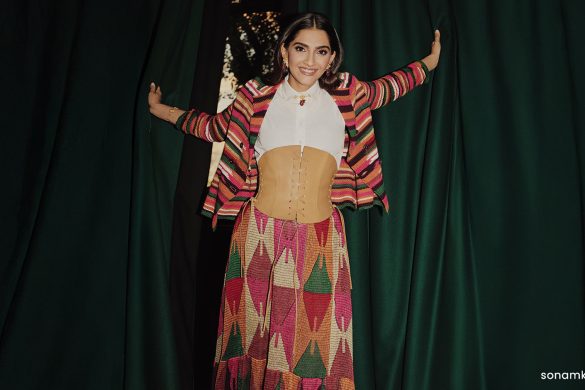
- Modern Usage: Ikat is incredibly versatile and is used globally for everything from high-fashion dresses and tops to cushion covers and upholstery. Many brands specializing in designer clothes for women feature Ikat in their contemporary collections.
- Styling Tip: An Ikat-print dress is a perfect bohemian-chic statement. Pair it with tan leather accessories and beaded jewelry for a relaxed, artistic vibe.
6. Khadi: The Fabric of Freedom
Khadi is more than just a fabric; it's a symbol of India's freedom movement, popularized by Mahatma Gandhi as a means of self-reliance. It is hand-spun and hand-woven, usually from cotton, but can also be made from silk or wool.
- Origin: Found across various regions in India.
- Unique Characteristics: Khadi has a unique, rugged texture and a porous nature, which makes it cool in the summer and warm in the winter. Its hand-spun nature gives it a distinct, uneven texture that is part of its charm.
- Modern Usage: Khadi has been embraced by high fashion. It is used to create structured jackets, minimalist dresses, and sharp trousers. It's the fabric of choice for those who value sustainability and understated luxury.
- Styling Tip: A Khadi Nehru jacket layered over a simple kurta or a crisp shirt is a powerful and intellectual style statement. It exudes a sense of quiet confidence.
The Future of Handloom in Modern Fashion
In an age of conscious consumerism, handloom fabrics are more relevant than ever. They are sustainable, eco-friendly, and support the livelihoods of millions of artisans. Designers in India and across the world are championing these textiles, incorporating them into modern silhouettes and ensuring their survival. By choosing handloom, you are not just buying a product; you are investing in a piece of history and helping to keep a beautiful tradition alive.
When you shop at Aza Fashions, you'll find a curated collection of garments that celebrate these magnificent textiles. From a regal Banarasi lehenga for a bride to a chic Chanderi kurta for a festive brunch, our platform connects you with designers who honor the legacy of Indian handlooms.
Final Thoughts: Wear a Story
Each handloom fabric carries the fingerprint of its weaver, the history of its region, and the soul of its culture. They are a beautiful reminder that the most luxurious things in life are often made with time, patience, and human hands. The next time you choose an outfit, consider a handloom piece. You won't just be wearing a garment—you'll be wearing a story.