Punjab, the "Land of Five Rivers," is a region renowned for its fertile plains, bountiful harvests, and a culture that beats with an infectious, high-spirited rhythm. Its history is a powerful saga of valor, spirituality, and resilience. This vibrant energy is mirrored in its traditional attire and textiles, which are as colorful and full of life as the Punjabi people themselves. From the golden wheat fields to the energetic Bhangra beats, the spirit of Punjab is woven into every thread.
The agrarian lifestyle and the region's distinct seasons have shaped the choice of fabrics, favoring durable yet comfortable materials like cotton and silk. At the same time, a rich history, including the influence of Sikh Gurus and the patronage of maharajas, has nurtured unique and intricate craft traditions. Today, the exuberant styles of Punjab continue to charm and inspire, making their mark on fashion runways and modern wardrobes across the globe.
Traditional Clothing / Ethnic Wear
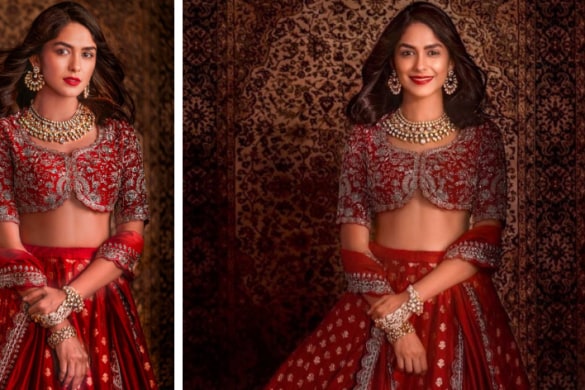
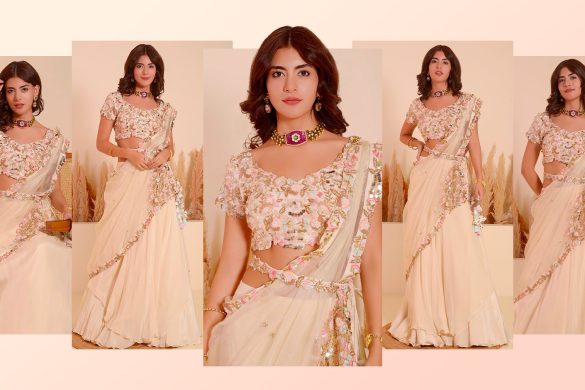
Punjabi clothing is celebrated for its comfort, vibrancy, and practicality. The garments are designed to allow for easy movement, reflecting a lifestyle connected to the land, while also serving as a canvas for brilliant colors and exquisite embroidery.
Women’s Attire
The quintessential outfit for Punjabi women is the graceful and versatile salwar kameez.
- Salwar Kameez: This two-piece ensemble consists of a salwar (loose-fitting trousers, often pleated and tapered at the ankles) and a kameez (a long tunic). The loose fit provides comfort and modesty, making it perfect for daily wear. For festive occasions, the kameez may be more fitted and embellished. A variation is the Patiala salwar, which features numerous pleats, creating a voluminous and regal silhouette.
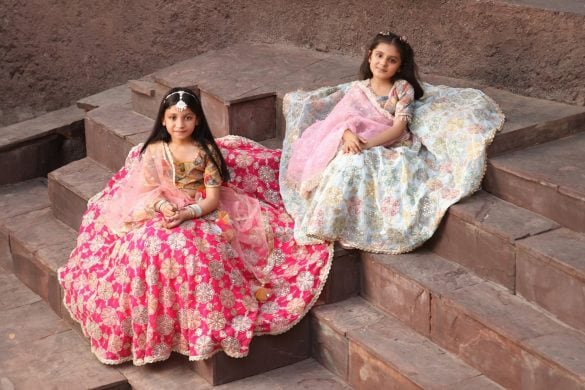
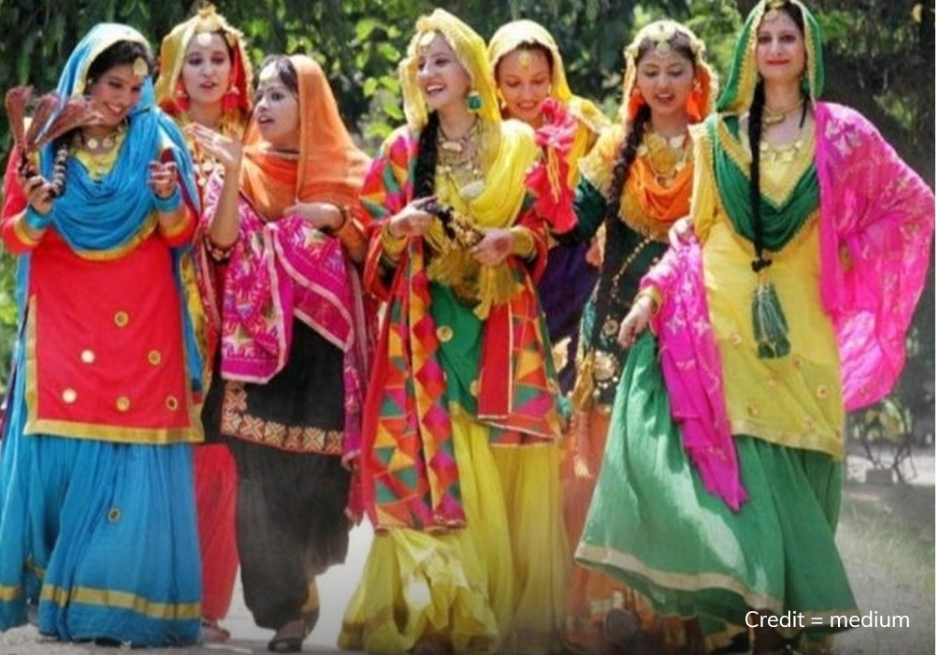
- Ghagra: Before the salwar kameez became popular, the ghagra (a flared skirt) was common, especially in certain regions. It is still worn during folk dance performances like Giddha.
- Phulkari Dupatta: The look is incomplete without a dupatta (a long scarf), often a stunning Phulkari or Bagh, which is heavily embroidered with vibrant silk threads.
Fabrics range from simple cottons for everyday use to rich silks and crepes for weddings and festivals. The color palette is bold and joyous, featuring shades of fuchsia, orange, green, and royal blue.
Men’s Attire
Men’s traditional wear in Punjab is simple, dignified, and functional.
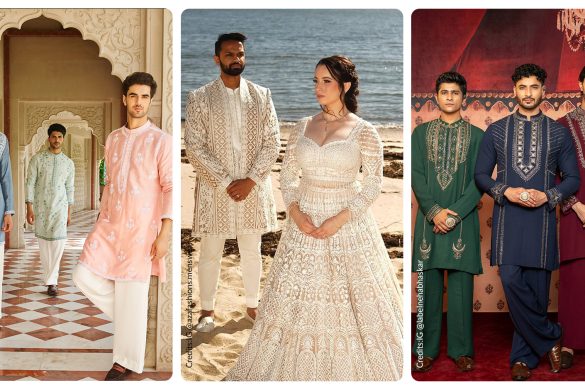
- Kurta-Pajama: The most common outfit is the kurta, a long, loose shirt, paired with a pajama, a lightweight drawstring trouser. A variation is the Muktsari style, which features a straight-cut kurta and a slim-fitting pajama, named after the city of Muktsar.
- Dhoti: For more traditional or rural settings, a dhoti or tehmat (a draped lower garment) is also worn.
- Turban (Pagri or Dastar): The turban is a crucial element of a Sikh man's identity, symbolizing sovereignty, spirituality, and honor. The style of tying and the color can vary, with specific colors often chosen for different occasions.
Jewelry & Accessories
Punjabi jewelry is bold and makes a statement, reflecting the larger-than-life culture.
- Nath: A large nose ring, often with a delicate chain connecting it to the hair, is a traditional bridal accessory.
- Bangles (Chooda): A set of red and white bangles, known as chooda, is worn by new brides.
- Paranda: This is a traditional hair accessory made of colorful silk threads and decorative tassels, woven into a woman's braid to make it appear longer and more ornate.
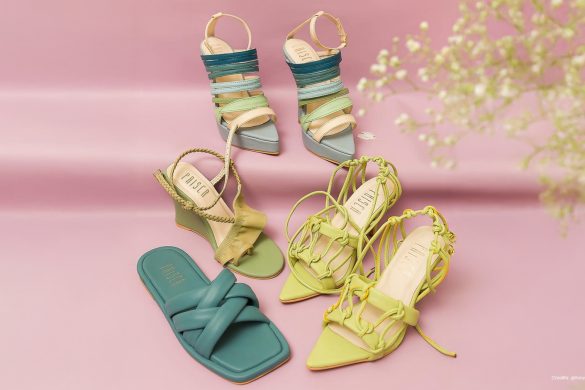
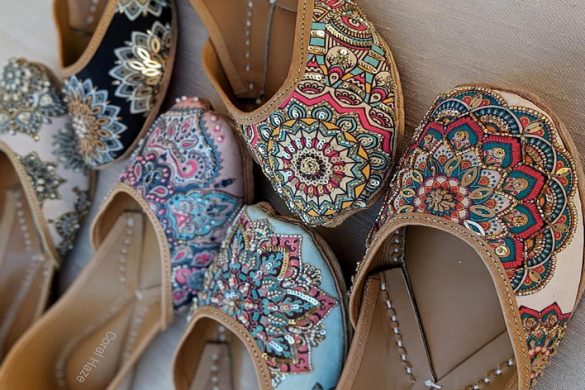
- Jutti: Handcrafted leather footwear with intricate embroidery, juttis are worn by both men and women. They are known for their comfort and distinctive pointed-toe design.
Crafts, Textile Techniques & Prints
The heart of Punjabi textile artistry lies in its world-famous embroidery, a craft traditionally practiced by women in the household.
- Phulkari: Meaning "flower work," Phulkari is a spectacular embroidery technique where the entire surface of a coarse cotton cloth is covered with vibrant silk floss. The stitches are made from the reverse side of the fabric, creating intricate geometric and floral patterns. It is traditionally made for personal use, especially for weddings and births.
- Bagh: A type of Phulkari, Bagh (meaning "garden") is even more elaborate. Here, the embroidery is so dense that the base cloth is completely hidden. A Bagh dupatta was a significant part of a bride's trousseau, often made by her mother and grandmother.
- Handloom Weaving: Punjab has a long history of weaving cotton and silk textiles, especially in regions like Ludhiana and Amritsar. These handwoven fabrics, known as khes, are thick, durable textiles often used as shawls or bed coverings, featuring simple geometric patterns.
Cultural Context – Lifestyle, Tradition & Heritage Influences
The clothing and crafts of Punjab are deeply connected to its environment, history, and social fabric.
The agrarian lifestyle demands clothing that is practical and durable. The loose-fitting salwar kameez and kurta-pajama are ideal for working in the fields and enduring the region's hot summers and cool winters. The use of cotton is widespread due to its comfort and breathability.
Sikh heritage has a profound influence on Punjabi culture. The turban is the most visible symbol of this, representing core tenets of the faith. Folk traditions, especially the high-energy Bhangra and Giddha dances, have also shaped clothing, favoring outfits that allow for free and expressive movement. Historically, the royal courts of Patiala, Kapurthala, and other princely states were great patrons of the arts, encouraging the creation of luxurious textiles and intricate embroidery.
When & How These Styles Are Worn Today
While rooted in tradition, Punjabi styles are dynamic and have adapted to modern life.
- Everyday vs. Special Occasions: A simple cotton salwar kameez is a staple for daily wear for many women in Punjab. For weddings and festivals like Lohri and Baisakhi, lavish silk suits with heavy embroidery, often paired with an ornate Phulkari dupatta, are the norm.
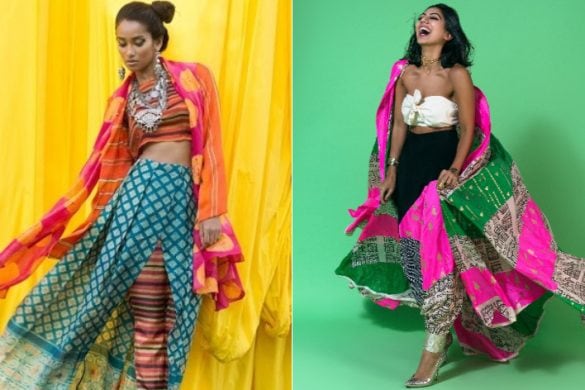
- Modern Reinterpretations: The salwar kameez is a global phenomenon, with designers constantly reinventing it. You can find Phulkari embroidery on jackets, bags, and even shoes. Indo-western looks are popular, such as pairing an embroidered kameez with jeans or wearing a Phulkari scarf with a western dress.
- Styling Tips:
- Drape a colorful Phulkari dupatta over a plain black or white outfit to make it the centerpiece.
- Pair traditional juttis with jeans and a t-shirt for a comfortable yet chic ethnic touch.
- Incorporate a paranda into your braid for a fun, festive look at a wedding or cultural event.
Why It Matters – Heritage, Identity & Fashion Inspiration
Preserving crafts like Phulkari is not just about fashion; it’s about safeguarding a unique cultural heritage passed down through generations of women. Each embroidered pattern tells a story of family, community, and personal expression. Supporting these crafts helps sustain the livelihoods of artisans and keeps these invaluable skills alive.
In an age of mass-produced goods, the authenticity and artistry of handcrafted Punjabi textiles offer a powerful connection to a rich cultural identity. Their vibrant colors and joyful motifs inspire designers and fashion enthusiasts worldwide, proving that tradition can be both timeless and incredibly modern.
Discover the Heartbeat of Punjab
Punjab's style heritage is a brilliant celebration of life, color, and community. From the graceful flow of a Patiala salwar to the intricate threads of a Phulkari dupatta, each element is a testament to the region's vibrant spirit and artistic soul.
We encourage you to explore this dynamic world. Consider adding a piece of Punjab to your wardrobe, whether it’s a beautifully embroidered jutti, a versatile kurta, or a stunning Phulkari scarf. By embracing these styles, you are not only adopting a beautiful aesthetic but also celebrating a culture that is warm, welcoming, and full of joy.