India is a land of diverse cultures, and nothing reflects this better than its traditional clothing. While the saree is famous worldwide, the southern part of India treasures a unique and beautiful variation known as the traditional half saree. It is more than just an outfit; it is a symbol of grace, tradition, and growing up.
Known by many names like Langa Voni in Telugu, Pavadai Daavani in Tamil, and Langa Davani in Kannada, this three-piece ensemble is a stunning bridge between childhood and womanhood. At Aza Fashions, we cherish these deep-rooted traditions while offering designs that fit the modern world. Let’s explore the elegance of the traditional half saree and why it remains a favorite in South Indian fashion.
What is a Traditional Half Saree?
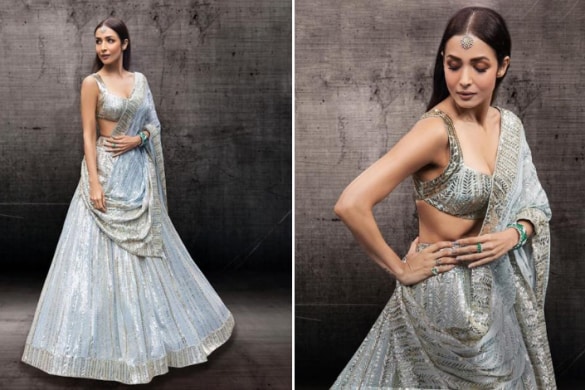
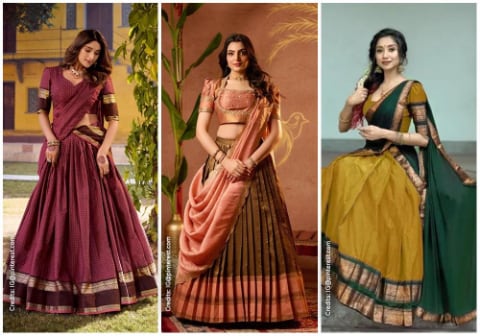
Unlike a standard six-yard saree that is draped in one continuous piece, the half saree is a three-piece outfit. It is comfortable, easy to wear, and looks incredibly regal. The three main components are:
- The Skirt (Langa or Pavadai): This is a long, flared skirt that reaches the ankles. It is usually tied around the waist with a drawstring. In traditional styles, the skirt features bright colors like red, green, or yellow, often with a golden border.
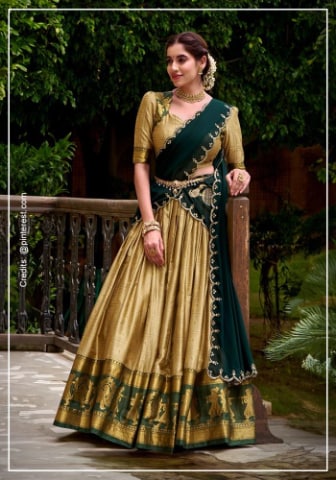
- The Blouse (Choli): The blouse fits the upper body perfectly. It can range from simple designs to heavily embroidered pieces with intricate beadwork or zari patterns.
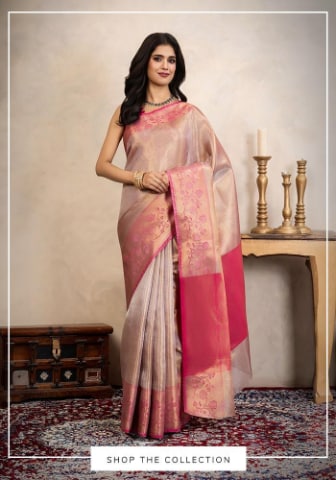
- The Dupatta (Voni or Davani): This is the cloth that makes the outfit look like a saree. It is tucked into the skirt at the waist and draped diagonally over the shoulder. It is usually shorter than a full saree pallu but serves the same purpose of adding grace to the look.
Origins and Cultural Significance
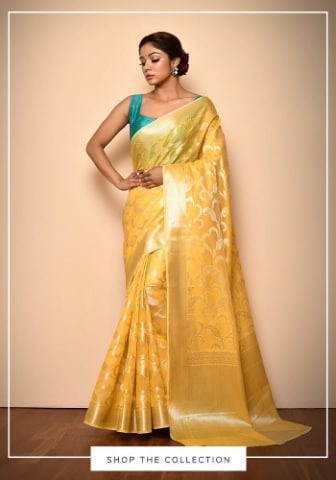
The traditional half saree has a special place in South Indian culture. Historically, it marked a girl's transition into adulthood. Before puberty, young girls wore a simple skirt and blouse (Pattu Pavadai). After puberty and before marriage, they switched to the half saree. It represented maturity and readiness for the next phase of life.
Even today, the half saree ceremony, often called the Ritu Kala Samskara, is a grand celebration in many South Indian households. It is a day of joy where the young woman is dressed in her finest Langa Voni, adorned with jewelry and flowers. While it was once strictly a rite of passage, today, women of all ages love wearing it for its unique style and comfort.
Modern Adaptations of the Half Saree
Fashion never stays still, and the traditional half saree has evolved beautifully over the years. Designers are now blending age-old traditions with contemporary trends to create outfits that appeal to the modern woman.
1. Fabric Choices
Traditionally, silk and cotton were the only fabrics used. Today, you can find half sarees in georgette, chiffon, net, and velvet. These lighter fabrics make the outfit easier to carry and give it a flowy, dreamlike quality perfect for parties.
2. Color Palettes
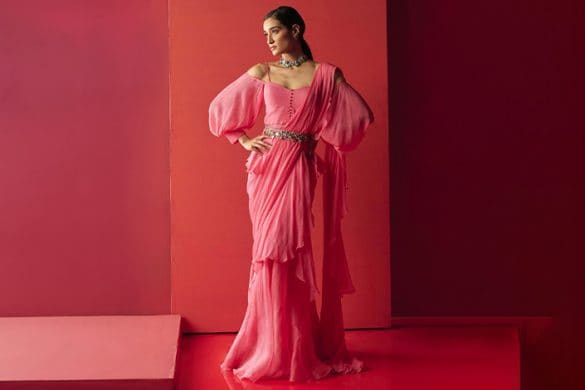
While classic combinations like red and gold or green and pink are timeless, modern designs explore pastel shades like mint green, peach, and lavender. Monochromatic looks, where the skirt, blouse, and dupatta are all shades of the same color, are also very trendy.
3. Fusion Styles
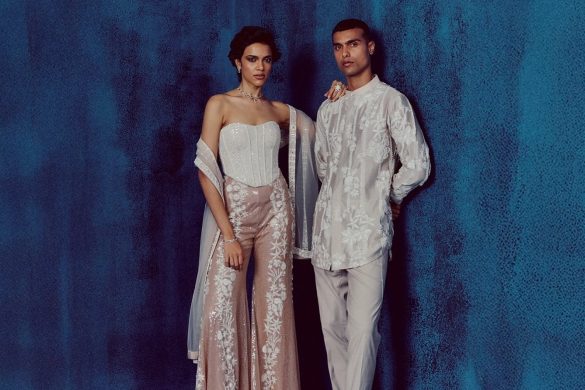
The modern half saree often borrows elements from North Indian lehengas. You might see heavier embroidery on the skirt or a dupatta draped in a different style. Some designers even pair the skirt with crop tops or shirt-style blouses for a fusion look.
Occasions to Wear a Half Saree
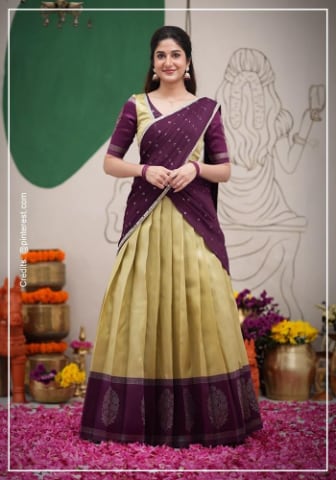
The versatility of the traditional half saree makes it suitable for many events.
- Festivals: South Indian festivals like Pongal, Onam, and Ugadi are the perfect times to flaunt a silk half saree. Bright colors and traditional gold jewelry complement the festive spirit.
- Weddings: While the bride might wear a Kanjeevaram saree, guests often choose grand half sarees. They are comfortable for long ceremonies and look just as elegant as a full saree.
- Family Gatherings: For smaller functions like a housewarming or a puja, a simple cotton or light silk half saree is an excellent choice. It is modest, traditional, and very comfortable.
Styling Tips for a Flawless Look
Wearing the outfit is just the first step. Styling it right can take your look to the next level.
- Jewelry: South Indian saree styles are incomplete without traditional temple jewelry. A gold necklace, jhumkas (earrings), and bangles add a royal touch. For a fresh look, you can also try fresh flowers in your hair, typically jasmine (gajra), which smells divine and looks beautiful.
- Hairstyle: A long braid adorned with hair accessories or flowers is the classic choice. However, for a modern twist, you can leave your hair open in soft waves or tie it in a messy bun.
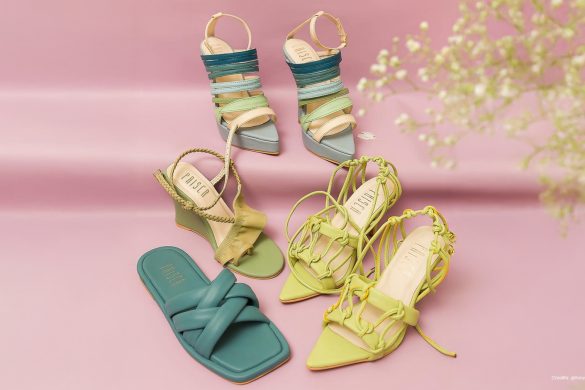
- Footwear: Since the skirt is long, heels are a great option to add some height and improve your posture. Traditional juttis or embellished sandals also work well if you prioritize comfort.
- Draping: Ensure the dupatta is pinned securely at the shoulder. The pleats should be neat to show off the waistline of the skirt.
Embrace Tradition with Aza Fashions
The traditional half saree is a beautiful reminder of India's rich textile heritage. It offers the grandeur of a saree with the ease of a skirt and blouse. Whether you are attending a traditional ceremony or looking for a unique outfit for a friend's wedding, this ensemble ensures you stand out with grace.
At Aza Fashions, we bring you a curated collection of premium ethnic wear that celebrates these traditions. From classic silk designs to modern fusion styles, our collection caters to every taste. Explore our range of half sarees and find the perfect outfit that speaks to your style and heritage.
Ready to embrace the elegance of South Indian legacy? Visit Aza Fashions today and discover the timeless beauty of the traditional half saree.