India’s clothing traditions are as diverse as its languages, geography, and cultures. Every state and community has distinct garments shaped by climate, occupation, and heritage. This guide maps the traditional clothing of India’s major regions.
Indian fashion is one of the richest and most diverse in the world. Every region, religion, and community has contributed unique garment traditions that have evolved over centuries from the six-yard saree and the royal lehenga to the comfortable salwar kameez and the regal sherwani. Whether you are dressing for a wedding, a festival, a formal event, or everyday wear, there is an Indian dress style designed for the occasion.
This guide covers every major type of Indian dress for women and men, with styling advice, occasion suitability, and what is trending in 2026.
There are eight main types of traditional Indian dresses for women: saree, lehenga choli, salwar kameez (suit set), anarkali, kurta set, sharara, gharara, and half-saree. Each outfit has a distinct regional origin, cultural significance, and occasion suitability. India's traditional dress landscape is one of the richest in the world every region has its own distinctive styles, fabrics, and craftsmanship traditions.
1. Saree
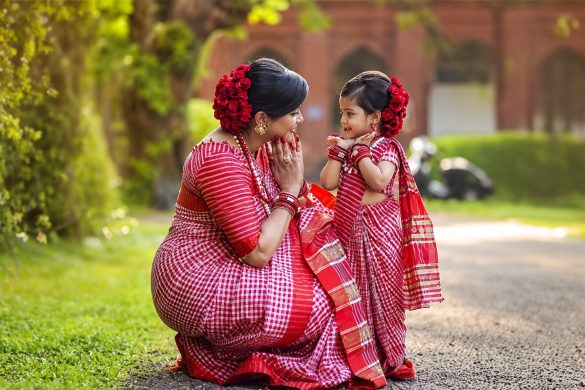
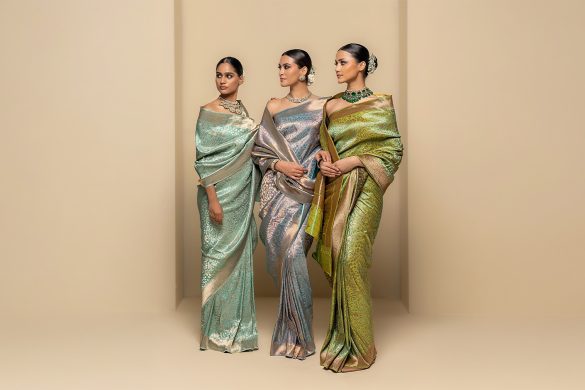
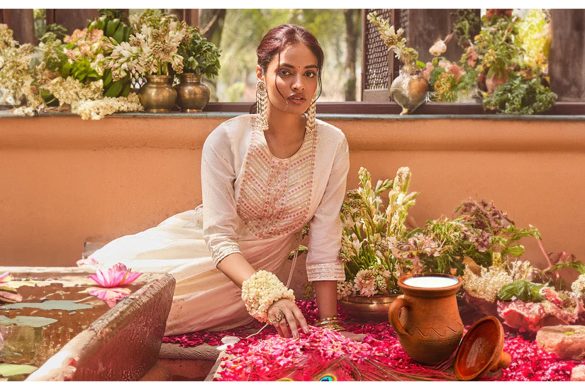
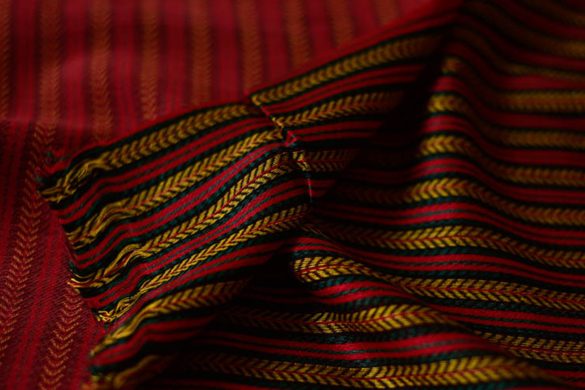
The saree is India’s most iconic garment a single unstitched piece of fabric, typically five to nine yards long, draped around the body in regional styles. Worn with a fitted blouse and petticoat, the saree suits every body type and virtually every occasion. Key varieties include Banarasi (silk with zari work, ideal for brides), Kanjeevaram (heavy South Indian silk for weddings), Chanderi (lightweight silk-cotton for day events), and cotton handlooms like Tant and Khadi for daily wear. The saree remains the most versatile garment in Indian fashion, transitioning from office wear to wedding wear with a change of fabric and draping style.
- Fabric varieties Kanjivaram silk, Banarasi silk, chiffon, georgette, cotton, Tussar, Chanderi, Organza
- Regional styles Nivi (Andhra/Karnataka), Bengali, Gujarati, Maharashtrian Nauvari, Coorgi, Kashmiri
- Best for Weddings, formal occasions, puja, office wear (cotton/linen sarees), festivals
- How to drape The Nivi drape (right-to-left with a pallu over the shoulder) is the most widely worn style across India
2. Lehenga Choli
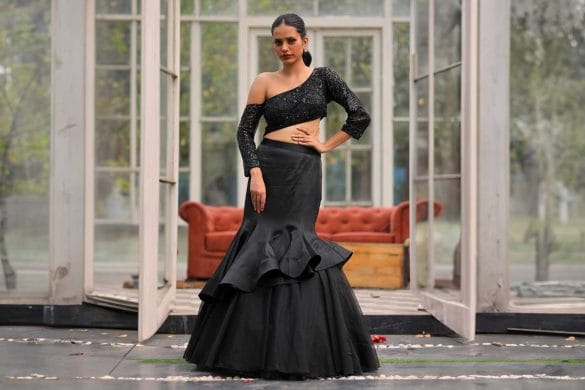
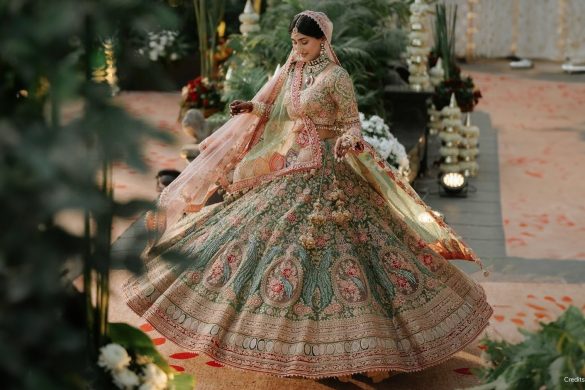
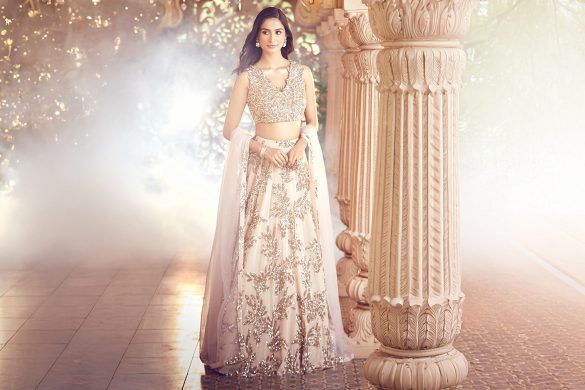
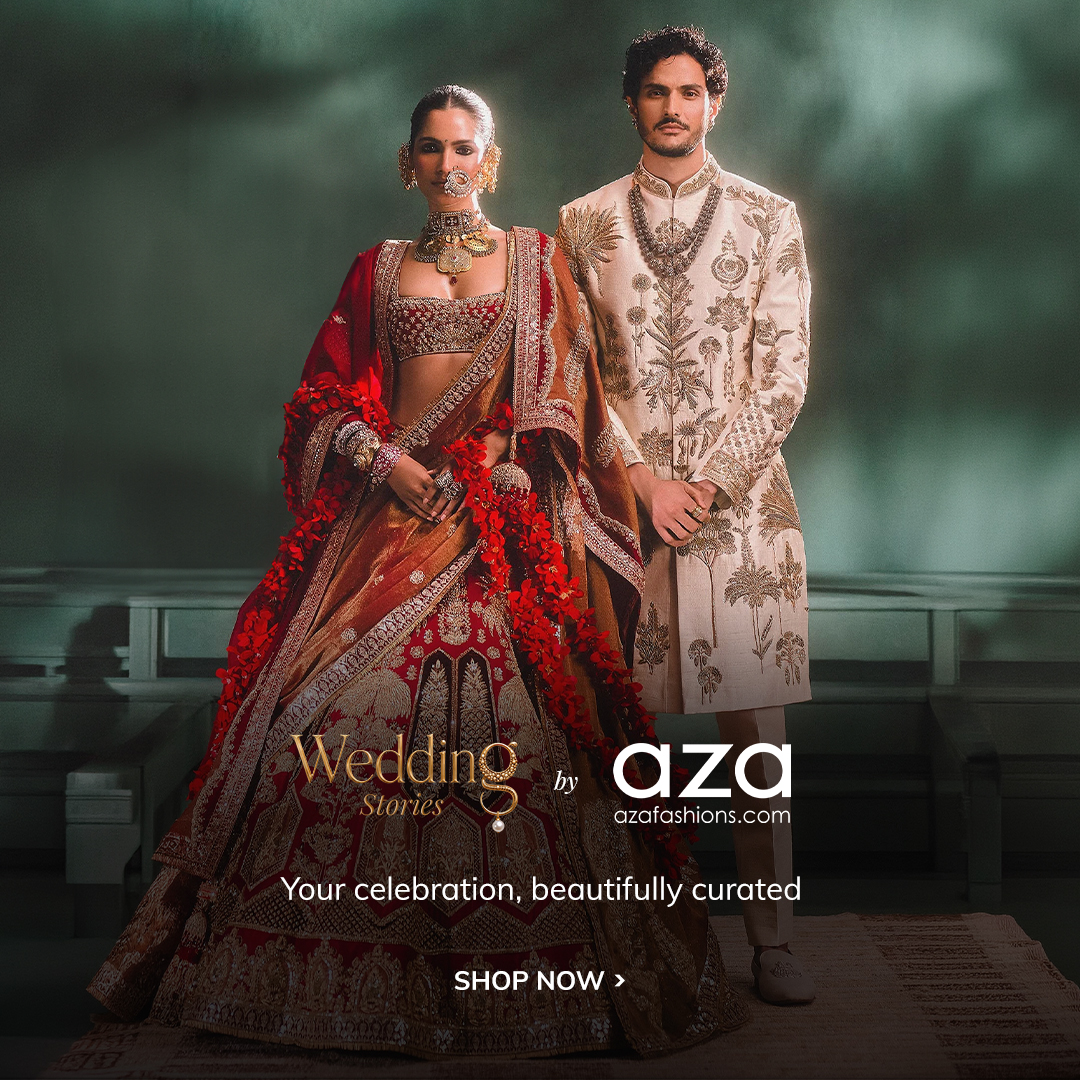
The lehenga choli is a three-piece outfit a flared or A-line skirt (lehenga), a fitted blouse (choli), and a dupatta. It is the most popular bridal and festive outfit in North India.Styles range from A-line and mermaid to circular and panelled. Lighter versions in pastels, florals, and organza are trending for non-bridal occasions like sangeet, mehendi, and cocktail parties.
- Types A-line, flared (ghagra), mermaid, panelled, layered
- Fabrics Silk, velvet, net, georgette, raw silk
- Best for Weddings, sangeet, engagement, festive occasions, reception
- Regional variations Chaniya choli (Gujarat/Rajasthan), Ghagra choli (North India)
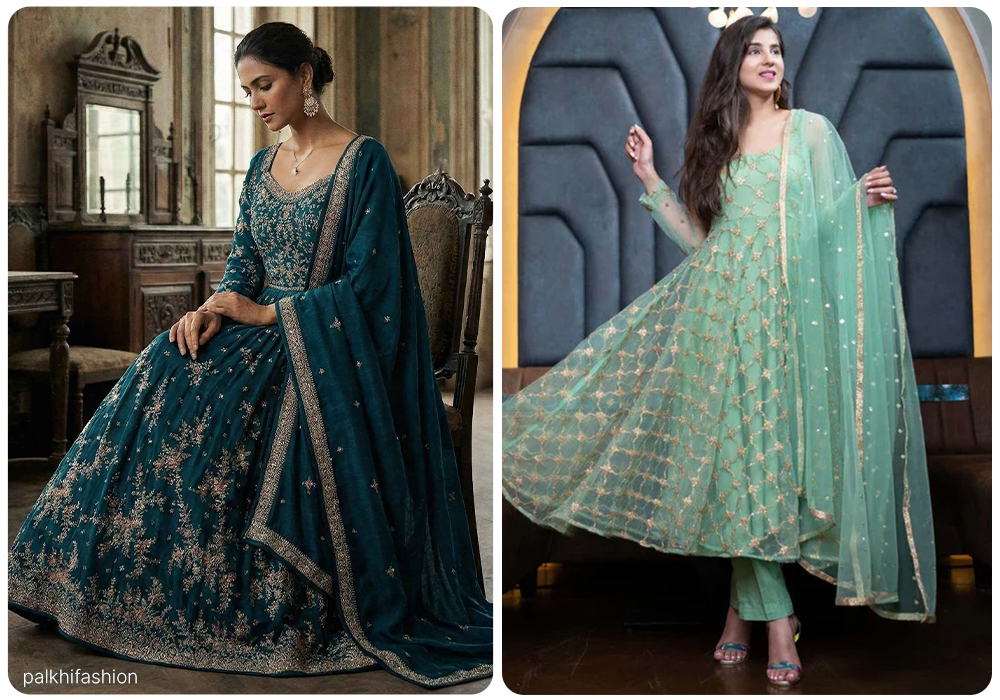
3. Salwar Kameez (Suit Set)
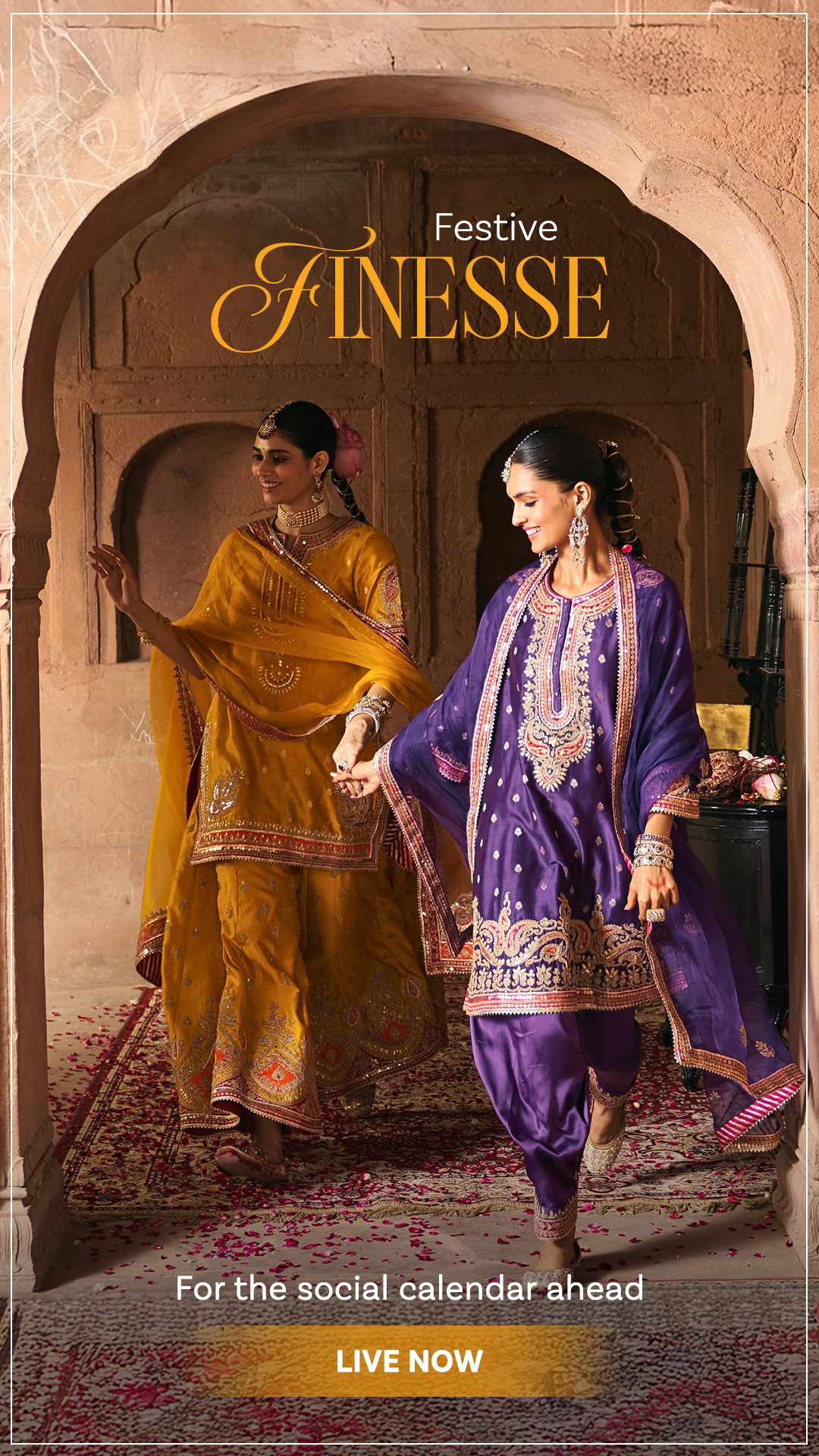
The salwar kameez is a two or three-piece outfit consisting of a tunic (kameez), loose trousers (salwar), and an optional dupatta. It is one of the most versatile traditional Indian dresses, worn across all regions and age groups.
- Types Straight cut, A-line, Anarkali, Patiala, Churidar, Palazzo set
- Fabrics Cotton, georgette, silk, chiffon, linen, velvet
- Best for Everyday wear, office, festive occasions, casual gatherings, semi-formal events
- Regional styles Punjabi suit, Kashmiri embroidered suit, Lucknawi chikankari suit
4. Anarkali
An Anarkali is a long, flared tunic typically floor-length or knee-length paired with a churidar or straight-cut salwar and a dupatta. Named after the legendary court dancer Anarkali, this style has Mughal origins.
- Types Floor-length Anarkali, midi Anarkali, layered Anarkali, jacket Anarkali
- Fabrics Georgette, silk, net, crepe, velvet
- Best for Weddings (as a guest), festive occasions, sangeet, reception, formal events
- Styling tip A belt at the waist of an Anarkali creates a defined silhouette
5. Kurta Set
A kurta set consists of a kurta (a tunic of varying length) paired with coordinated bottoms palazzo, straight pants, or dhoti pants. The contemporary kurta set has become the most versatile traditional dress in modern Indian wardrobes.
- Types Short kurta (thigh-length), long kurta (knee-length), asymmetric hemline, A-line, peplum
- Fabrics Cotton, linen, Chanderi, silk, georgette
- Best for Office wear, everyday festive, casual occasions, informal gatherings
6. Sharara
The sharara is a traditional Indian bottom that begins flaring dramatically from the knee, creating a wide, dramatic silhouette. The outfit consists of a sharara (flared pants), a short kurti or choli, and a dupatta.
- Fabrics Georgette, silk, net, chiffon
- Best for Weddings, festive occasions, sangeet, Eid, bridal functions
- Origin North Indian, with roots in Mughal-era fashion
7. Gharara
The gharara is similar to the sharara but begins flaring from the hip or upper thigh, creating an even more voluminous silhouette. It has deep roots in Lucknawi and Hyderabadi Muslim culture.
- Best for Traditional weddings, Eid celebrations, formal festive occasions
- Difference from sharara The gharara begins flaring higher (from the hip); the sharara begins from the knee
8. Half-Saree (Langa Voni / Pavada Dhavani)
The half-saree is a three-piece traditional South Indian outfit a long skirt (langa or pavada), a fitted blouse, and a dupatta draped in a saree style.
- Fabrics Kanjivaram silk, Mysore silk, cotton
- Best for Coming-of-age ceremonies, South Indian festivals, classical dance occasions
Indian Dress Trends in 2026
Organza Dominance: Crisp, sheer organza in sarees, lehengas, and dupattas continues to dominate wedding and festive fashion.
Pastel Palettes: Soft pinks, lavenders, sage greens, and powder blues are replacing bold reds and magentas for millennial brides and festive wear.
Sustainable Handloom: Growing demand for handwoven and artisanal textiles Chanderi, Maheshwari, Tussar, and organic cotton as conscious fashion gains momentum.
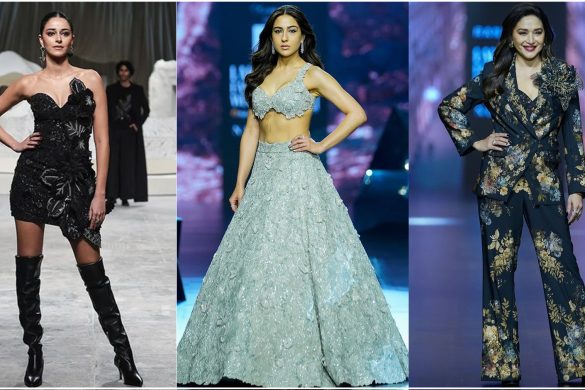
Fusion Silhouettes: Saree gowns, pant sarees, cape lehengas, and jacket sets are blurring the line between traditional and contemporary.
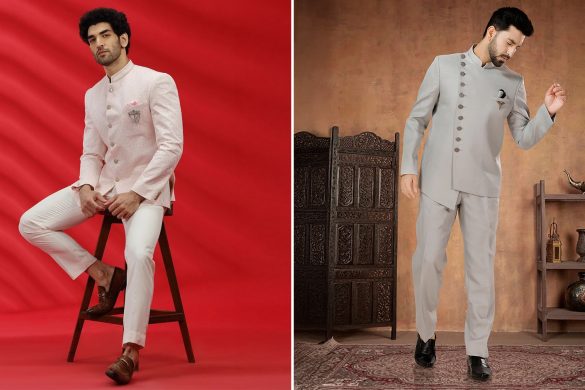
Men’s Ethnic Revival: Men’s ethnic wear is seeing renewed interest, with brocade kurtas, printed Nehru jackets, and pastel sherwanis trending.
Frequently Asked Questions
Q: What is the most popular traditional dress in India?
A: The saree is the most widely worn and universally recognised traditional Indian dress, worn across all regions, religions, and communities. The salwar kameez (suit set) is the most commonly worn traditional dress for everyday occasions, as it is versatile, comfortable, and available in fabrics suited to every climate.
Q: What is the difference between a lehenga and a saree?
A: A saree is a single unstitched cloth of 5.5–9 metres draped around the body in regional styles. A lehenga is a three-piece stitched outfit consisting of a separate flared skirt, blouse, and dupatta. Lehengas are more structured and typically more embellished than sarees.
Q: Which traditional Indian dress is best for a wedding?
A: For brides, a bridal lehenga is the most popular choice across North and Central India; a Kanjivaram silk saree is the traditional choice for South Indian brides. For wedding guests, a silk saree, georgette lehenga, or heavily embroidered anarkali are all appropriate choices.
Q: What is the traditional dress of North India?
A: The salwar kameez (suit set) is the most widely worn traditional dress in North India. For festive and wedding occasions, the lehenga choli and sharara are the most popular traditional outfits. In Rajasthan, the Bandhani lehenga and ghagra choli are traditional festive wear.
Q: What is India's national traditional dress?
A: India does not have a single national traditional dress, as the country's vast diversity means each region has its own distinctive traditional clothing. The saree is widely considered India's most representative traditional garment for women, as it is worn across all states, regions, and communities in different regional styles.