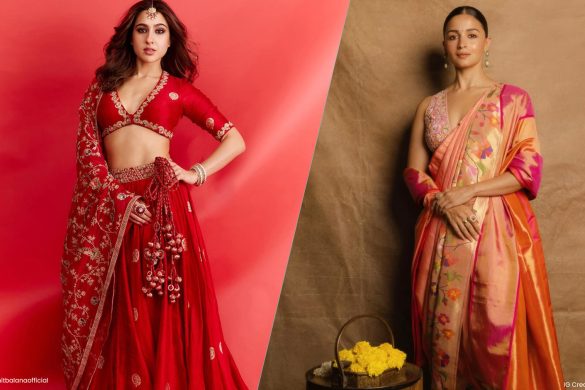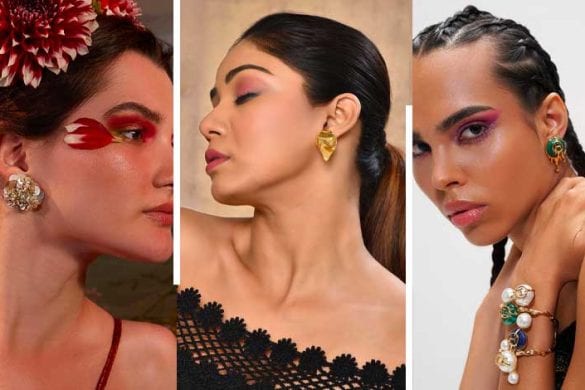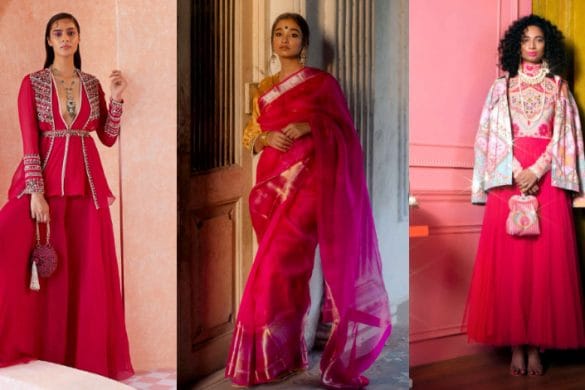
For a November or December wedding, shopping should begin at least 9–12 months in advance. Bridal lehengas and custom outfits take the longest — often 4–6 months from order to delivery — while accessories, guest outfits, and décor items follow in stages. Starting early gives you more options, better pricing, and far less stress.
November and December weddings are among the most anticipated on the Indian wedding calendar. The weather cooperates, the lighting at evening receptions is warm and flattering, and the season naturally lends itself to the richest fabrics, deepest jewel tones, and most intricate embroidery work. But that popularity comes at a cost: boutiques fill up, embroiderers book out, and delivery timelines stretch — especially in the months leading up to peak wedding season.
If your wedding falls between November and December, you're working with a fixed deadline in one of the busiest retail and tailoring periods of the year. The question isn't whether to plan ahead — it's how far ahead, and what to prioritize first.
This guide breaks down exactly when to start shopping for each category, what's worth buying early, and what can wait.
Why Do Nov–Dec Weddings Require Earlier Shopping Than Other Seasons?
The short answer: demand. Bridal boutiques, embroidery ateliers, jewellers, and lehenga designers operate on long lead times under normal circumstances. During peak wedding season, those timelines extend further. A lehenga that might take 10 weeks to complete in March could take 16 weeks or more if ordered in August.
On top of production timelines, fittings take time. A custom or semi-custom bridal lehenga typically requires two to three fitting appointments, and alterations after the final fitting are common. Build in a realistic buffer, and you're looking at a minimum of five to six months for anything made-to-order.
The earlier you shop, the more control you have — over selection, customization, and price.
12 Months Before: Where to Start First
Bridal Lehenga and Ceremony Outfits
Twelve months out is not too early to begin the bridal lehenga process, particularly for brides who want a custom or heavily embroidered piece. At this stage, the goal is research rather than commitment: explore designers, identify silhouettes and colour palettes that suit the season, and start scheduling consultations.
For winter weddings in 2026, the strongest lehenga colour directions are deep jewel tones — emerald, ruby red, midnight navy, plum, and warm gold. These shades perform well under indoor reception lighting and suit the heavier fabrics (velvet, Banarasi silk, brocade) that define winter bridal fashion. Beginning your colour research early ensures you're not making rushed decisions about what will likely be the most expensive and photographed outfit of the event.
Setting the Shopping Budget
Before any purchasing begins, a clear budget framework saves significant time and prevents missteps. Allocate rough percentages to each category — bridal outfit, guest outfits, jewellery, accessories, décor, and beauty — and revisit these allocations as quotes come in.
9–10 Months Before: Confirm the Bridal Outfit
By the nine-month mark, the bridal lehenga order should ideally be placed. This provides enough time for production, fittings, alterations, and any unexpected delays — without the pressure of a looming deadline.
At this stage, confirm:
- Fabric and colour: Commit to your choices. For winter weddings, velvet deepens jewel tones and photographs exceptionally well under reception lighting. Banarasi silk carries formality and visual weight suited to ceremonies.
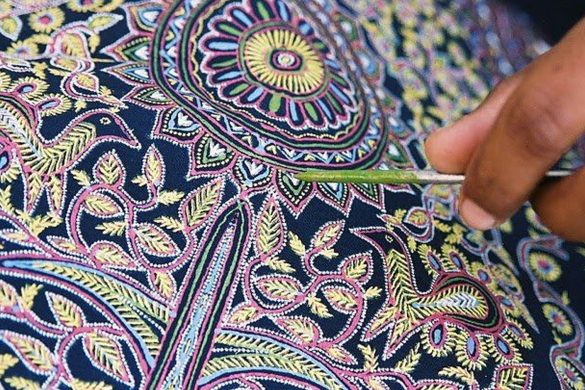
- Embroidery details: Zardozi, resham, and mirror work are all common winter bridal choices. More intricate work takes longer.
- Silhouette and blouse design: Custom blouses often take as long as the lehenga itself and require separate fittings.
If you're ordering outfits for multiple events — mehendi, sangeet, and the main ceremony — begin this process across all three occasions simultaneously rather than sequentially.
8 Months Before: Family and Close Guest Outfits
Coordinated family outfits — particularly for the immediate bridal party — need to be ordered well in advance if they involve any custom work. Even semi-custom pieces from established boutiques can take six to eight weeks, and ensuring colour coordination across a group adds another layer of complexity.
What to Prioritize at This Stage
- Mother-of-the-bride and groom outfits: These often involve the same level of customization as bridal pieces and should be treated with the same urgency.
- Bridesmaids and close family: If outfits are coordinated, confirm the colour palette and fabric direction before ordering, so pieces read cohesively across the wedding photographs.
6 Months Before: Jewellery and Accessories
Bridal jewellery — especially pieces that are custom-made or sourced from specific craftspeople — should be finalized by the six-month mark. This is also when to confirm which pieces will be purchased versus rented, a decision that affects budget and timeline.
For winter weddings, jewellery pairs naturally with the season's colour palette. Antique gold and polki work complement jewel-toned lehengas. Silver and oxidized pieces suit navy and emerald combinations well.
At six months out, also begin sourcing:
- Bridal footwear: Custom juttis and embellished heels can take four to six weeks to produce.
- Hair accessories: Maang tikka, passa, and hairpins may need to be coordinated with the jewellery set.
- Dupatta embroidery or custom work: If the dupatta is being customized separately, this should be ordered alongside the lehenga.
4–5 Months Before: Beauty Trials and Vendors
Bridal makeup artists and hair stylists book quickly during peak wedding season — many reputable vendors are fully booked by September for November–December events. At the four-to-five-month mark, confirm your beauty team and schedule at least one trial session.
Trial sessions serve two purposes: they establish the look and allow you to assess how your makeup wears over a long event. A trial also gives you time to course-correct before the wedding day.
Also at this stage:
- Skincare routines: If you're starting a new skincare regimen ahead of the wedding, beginning four to five months out gives the skin time to adjust and show results.
- Mehendi artist booking: Well-regarded mehendi artists book out months in advance for December weddings.
3 Months Before: Guest Outfits and Remaining Accessories
By the three-month mark, guest outfits for the extended family — aunts, cousins, close friends attending multiple events — should be ordered or purchased. Ready-to-wear options with minimal alterations can be sourced closer to the date, but anything requiring tailoring needs this runway.
What Still Needs Attention
- Clutches and evening bags: Often overlooked, these are best sourced early when colour-matching is easier.
- Dupattas for multi-event guests: Guests attending mehendi, sangeet, and the reception often need separate dupattas or outfit variations. Three months allows time for these additions without rushed tailoring.
6–8 Weeks Before: Final Fittings and Confirmations
This window is for refinement, not new purchases. Schedule final fittings for all custom-made pieces and ensure alterations are completed with enough time to breathe before the event.
At six to eight weeks out:
- Confirm all vendor bookings in writing, including delivery schedules for outfits and accessories.
- Complete any final jewellery adjustments — resizing rings, adding hooks to earrings, or re-threading necklaces.
- Purchase any remaining small items: safety pins, fashion tape, dupatta pins, and other essentials that are easy to forget until you need them.
What Can You Leave Until the Last Month?
Not much — but a few categories are lower-risk if purchased close to the date:
- Ready-to-wear blouses and separates that don't require alteration
- Bangles and costume jewellery in standard sizes
- Perfume and beauty products for the wedding kit
- Potli bags and favors for guests, if sourced from ready stock
Your Nov–Dec Wedding Shopping Checklist at a Glance
Timeline | What to Buy |
12 months out | Begin bridal lehenga research; set overall budget |
9–10 months out | Place bridal lehenga and multi-event outfit orders |
8 months out | Order family and bridal party outfits |
6 months out | Finalize jewellery, footwear, and accessories |
4–5 months out | Book beauty vendors; schedule trials |
3 months out | Guest outfits, remaining accessories |
6–8 weeks out | Final fittings, confirmations, last purchases |
The Cost of Waiting Too Long
The most common mistake in wedding shopping isn't overspending — it's underestimating time. A bridal lehenga ordered in September for a December wedding leaves almost no margin for delays, redesigns, or fitting issues. Boutiques and embroiderers operating at full capacity during peak season are less able to accommodate changes, and rush fees are common.
Starting early doesn't mean spending more. It means having the time to compare options, negotiate on price, and make thoughtful decisions rather than reactive ones. The outfits worn across a multi-day wedding will be photographed extensively and remembered for years. That outcome is worth the planning.
Frequently Asked Questions
When should I start shopping for a November or December wedding?
Start at least 9–12 months before your wedding date. Bridal lehengas and custom outfits require the most lead time — typically 4–6 months from order placement to final fitting. Starting early gives you a wider selection, better customization options, and time to handle unexpected delays.
How long does it take to get a bridal lehenga made for a winter wedding?
Custom and semi-custom bridal lehengas typically take 4–6 months, depending on the complexity of embroidery and the boutique's current order volume. During peak wedding season (October–December), timelines often extend. Place your order by 9–10 months before your wedding to allow for production, fittings, and alterations.
What should I buy first when planning a Nov–Dec wedding?
The bridal lehenga should be your first major purchase. It takes the longest to produce, involves the most fittings, and forms the basis for coordinating other decisions — jewellery, accessories, and family outfits. Start researching at 12 months out and place the order by 9–10 months before the date.
When should family outfits be ordered for a winter wedding?
Order family outfits — particularly for parents and the immediate bridal party — at least 8 months before the wedding. Custom or semi-custom pieces take 6–8 weeks to produce, and coordinating colours across a group requires additional time for selection and approval.
Is it too late to start shopping 6 months before a November wedding?
Six months is workable but tight for a November wedding. At that point, prioritize the bridal lehenga immediately and accept that some customization options may be limited. Ready-to-wear pieces with standard alterations are more realistic at the six-month mark than heavily embroidered, made-to-order outfits.
What are the best lehenga colours for a November or December wedding?
For winter weddings, the strongest colour choices are deep jewel tones: emerald green, ruby red, midnight navy, plum, and warm gold. These shades photograph well under indoor reception lighting and suit heavier fabrics like velvet, Banarasi silk, and brocade — all of which are seasonally appropriate for late-year weddings.