Attending a wedding in the eastern part of India offers a visual feast of vibrant colors, rich sounds, and deep cultural pride. Families come together to celebrate love through highly detailed, ancient rituals. The air fills with the rhythmic sound of blowing conch shells and the joyful ululation of women. These unique sounds instantly signal the start of something beautiful and sacred.
If you plan to attend a Bengali ceremony soon, understanding the customs will make the experience incredibly rewarding. You will appreciate the emotional depth behind every single ritual. Knowing what to expect also helps you choose the perfect traditional Indian outfits for each specific event.
We created this comprehensive guide to help you navigate these spectacular celebrations. You will learn about the profound cultural significance of West Bengal weddings. We will explore the step-by-step rituals that unite two families in lasting love. Finally, we will show you how to build the ultimate celebration wardrobe using breathtaking ethnic wear collections.
The Cultural Significance of Bengali Weddings
Bengali wedding traditions represent much more than a simple legal union between two individuals. They serve as a grand gathering that honors ancestors, respects community elders, and celebrates family bonds. Every single ritual holds a specific meaning deeply rooted in ancient texts and local folklore.
Unlike many modern weddings that rush through the religious aspects, these ceremonies maintain a strong grip on their spiritual heritage. Families follow auspicious timings strictly. They consult astrologers to ensure the couple begins their new journey under the absolute best planetary conditions.
Food also plays a monumental role in these celebrations. Bengali families love serving rich, flavorful meals, and the wedding feast perfectly reflects this passion. From fresh fish delicacies to famous milk-based sweets, the culinary experience brings everyone together in pure joy.
Beautiful Pre-Wedding Rituals
The celebration begins long before the actual wedding day. Families kick off the festivities with a series of heartwarming pre-wedding rituals. These early events help the two families bond and build massive excitement for the main ceremony.
Ashirbad (The Blessing)
The Ashirbad serves as the official acceptance of the bride and groom by their respective in-laws. The groom's family visits the bride's home to shower her with blessings. They place unhusked rice and trefoil leaves on her head, wishing her a prosperous life.
During this intimate gathering, the family gifts the bride gold jewelry, new clothes, and traditional sweets. The bride's family then visits the groom's house to perform the exact same ritual for him. This mutual exchange signifies deep respect and the sweet beginning of their new relationship.
Aai Buro Bhaat (The Last Unmarried Meal)
Aai Buro Bhaat is a highly emotional and delicious tradition. It translates to the last meal of a bachelor or spinster in their own home. Families host this grand feast the day before the wedding.
The bride and groom sit down to a massive spread of their favorite foods. Relatives serve rice, various fried vegetables, massive fish curries, and an endless supply of sweets. Extended family members take turns feeding them, ensuring they feel incredibly loved and pampered before their big day.
Dodhi Mangal and Gaye Holud
The actual wedding day begins before sunrise with the Dodhi Mangal ritual. Married women feed the bride and groom a mixture of sweet yogurt and flattened rice. This represents the only meal they will eat, as they must fast until the wedding rituals conclude late at night.
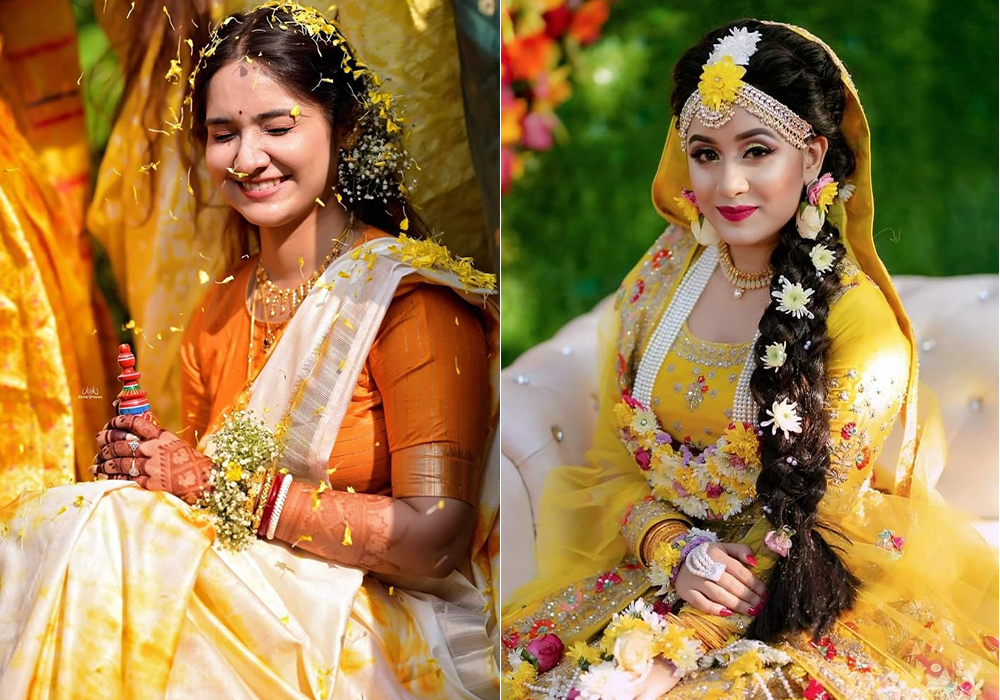
A few hours later, the joyous Gaye Holud ceremony begins. Families apply a sacred turmeric paste to the groom, then send the remaining paste to the bride. Applying this turmeric purifies the skin, wards off negative energy, and gives the couple a brilliant natural glow.
The Main Wedding Day Traditions
When the evening arrives, the main rituals take center stage. These ceremonies are visually stunning, deeply emotional, and full of cultural pride.
Bor Jatri and Bor Boron
The groom travels to the wedding venue with his family and friends in a joyful procession known as the Bor Jatri. When they arrive, the bride's mother steps forward to perform the Bor Boron. This is the official welcoming ritual.
She holds a bamboo tray featuring a lighted lamp, bananas, and betel leaves. She touches this tray to the groom's forehead, shoulders, and chest to bless him. Finally, she feeds him a traditional sweet and escorts him to the beautifully decorated wedding stage, known as the Chadnatala.
Saat Paak and Subho Drishti
This is arguably the most famous and anticipated part of Bengali wedding traditions. The bride enters the venue seated on a low wooden stool called a piri. Her brothers and close male relatives carry this stool, lifting her into the air.
While still in the air, the brothers carry her around the groom seven times in a circle. This is the Saat Paak. Throughout this ritual, the bride covers her face with two betel leaves. After the seventh circle, she slowly lowers the leaves, allowing the couple to look at each other. This magical first glance is called the Subho Drishti.
Mala Badal and Sampradan
Immediately after the Subho Drishti, the couple exchanges heavy floral garlands three times. This ritual, known as Mala Badal, symbolizes their acceptance of one another. Friends often playfully lift the bride and groom higher into the air to make exchanging the garlands a fun challenge.
Next, the bride's elder male relative performs the Sampradan. He officially hands over the responsibility of the bride to the groom. The priest ties their hands together with a sacred thread, chanting Vedic mantras to bind their souls.
Sindoor Daan
The ceremony concludes with the Sindoor Daan. The groom applies vivid red vermilion (sindoor) to the parting of the bride's hair. He typically uses a coin or a small cane box to apply the powder.
Applying this red powder officially marks her transition into a married woman. The groom then covers her head with a beautiful new saree gifted by his family. This moment brings tears of joy to the elders and marks the successful completion of the wedding.
Meaningful Post-Wedding Customs
The celebrations do not end when the couple leaves the wedding stage. A few more traditions help the bride transition smoothly into her new life with her husband's family.
The Emotional Bidaay
The following morning, the bride leaves her childhood home. The Bidaay is a deeply emotional farewell. Before stepping out, she throws a handful of rice over her shoulder into her mother's hands.
This gesture symbolizes that she has repaid her parents for their care and is leaving the house full of wealth and prosperity. The family tearfully waves goodbye as she departs for her new home.
Bou Bhat and the Grand Reception
When the bride arrives at the groom's house, the family welcomes her with warmth and excitement. The next day, she participates in the Bou Bhat ceremony. She serves rice and ghee to her new family members, officially taking on her role in the household.
That evening, the groom's family hosts a grand reception. This event allows extended family, colleagues, and friends to meet the newly married couple. Guests enjoy delicious food, listen to music, and take hundreds of photographs with the glowing pair.
Finding the Perfect Traditional Indian Outfits
The attire worn during West Bengal weddings is truly iconic. The fashion focuses heavily on rich silk fabrics, bright auspicious colors, and intricate heritage jewelry. Carefully chosen outfits can help you achieve a flawless, regal look for these events.
Elegant Attire for the Bride
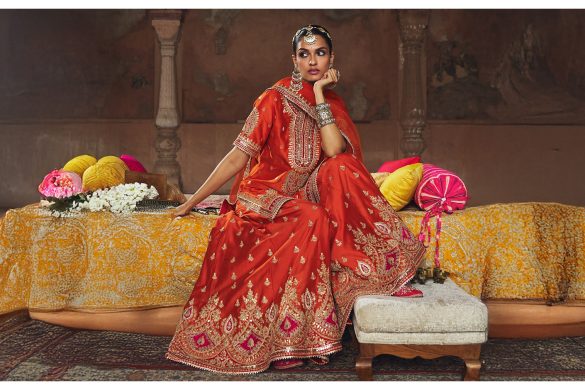
A traditional Bengali bride looks absolutely breathtaking. She typically wears a red, maroon, or magenta Banarasi silk saree heavily embroidered with gold zari work. The bride drapes this saree in a unique, elegant regional style that highlights the intricate borders.
She paints her hands and feet with red Alta dye instead of traditional henna. She also wears a white pith crown called a Mukut. Carefully chosen bridal sarees that honor these rich traditions can provide both comfort and a luxurious fit.
Classic Looks for the Groom
The groom typically wears a classic Kurta paired with a simple Dhoti. The kurta is usually made of fine silk or tussar in shades of cream, gold, or pale yellow. This outfit perfectly balances comfort and royal elegance.
Like the bride, the groom also wears a distinctive headpiece called a Topor, made from the same white pith. Carefully selected, high-quality, breathable silk kurta sets ensure the groom looks sharp and regal in all the wedding photographs.
Aza Fashions Ethnic Wear for Guests
If you are attending the wedding as a guest, you have endless beautiful options. There is an unmatched selection of designer pieces suited perfectly for these grand celebrations.
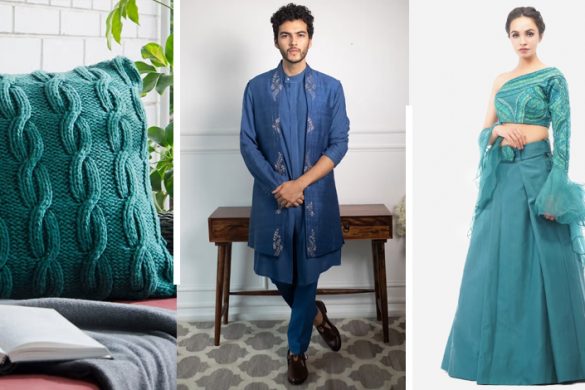
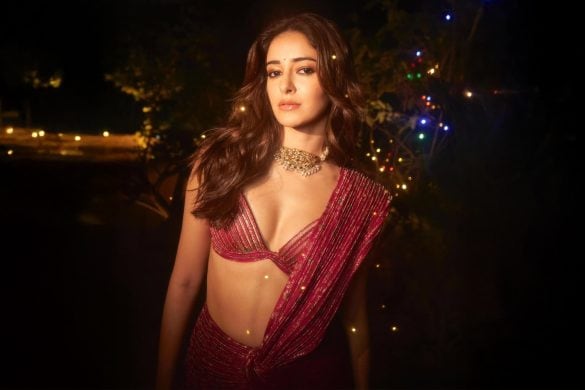
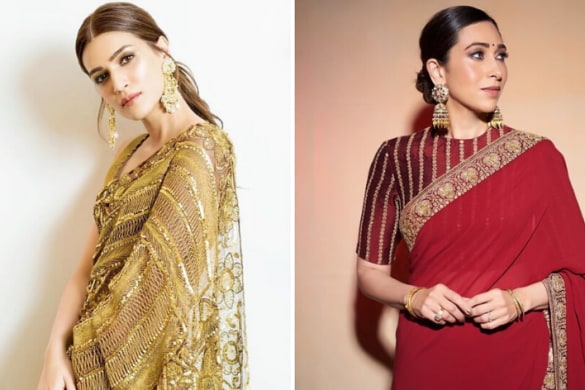
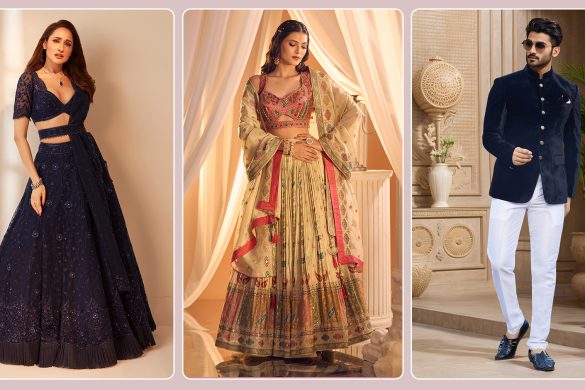
Female guests can explore luxurious Jamdani sarees, elegant georgette drapes, or beautiful Anarkali suits. Men can never go wrong with a crisp, solid-colored Kurta set. Add a printed pocket square or a contrasting Nehru jacket to elevate your festive look completely.
Step Into the Celebration with Confidence
West Bengal weddings offer a mesmerizing glimpse into a culture that deeply values love, family, and spiritual devotion. From the sweet exchanges of the Ashirbad to the highly emotional Sindoor Daan, every ritual carries profound meaning. Participating in these customs provides an unforgettable experience that stays with you forever.
As you prepare for the upcoming festivities, remember that your outfit plays a massive role in how you experience the events. When you wear high-quality, beautifully designed clothes, you feel confident and completely ready to celebrate.
Embrace the joy, enjoy the incredible food, and look your absolute best. Explore the stunning collections of traditional Indian outfits and designer pieces to make your next wedding celebration truly spectacular.