If you have ever scrolled through pictures of a lavish Indian wedding or browsed ethnic fashion online, you have probably spotted a stunning outfit that looks a bit like a skirt but acts like pants. It is dramatic, it is vintage, and it screams royalty. We are talking about the Gharara.
But in the vast world of South Asian fashion, it is easy to get confused. You might ask yourself: What is a gharara, exactly? Is it the same as a sharara? Can I wear it to a friend's wedding, or is it too bridal?
These are common questions, especially since vintage fashion is making a huge comeback. The Gharara outfit has returned from the royal courts of the past to become a trendy staple in modern wardrobes. Whether you are prepping for Eid, attending a Nikkah, or just love exploring traditional fashion, understanding this beautiful garment is a must.
In this guide, we will unzip the history of the Gharara dress, break down its unique design, explain how it differs from its cousin (the Sharara), and show you exactly how to style it for your next big event.
Unveiling the History: Where Did the Gharara Come From?
To understand the traditional gharara, we need to take a trip back in time to the era of the Nawabs in Lucknow, India. The Gharara originated in the Awadh region during the late 19th and early 20th centuries.
Originally, it was the everyday attire for noblewomen and royalty in that region. It was a symbol of status, elegance, and distinct culture. Over time, it became popular across North India and Pakistan, evolving into a beloved festive outfit. While it faded from daily wear in the mid-20th century, Bollywood movies and modern designers have revived it, making the Gharara suit a top choice for women who want to channel that "old-world charm."
The Anatomy of a Gharara Suit: What Does It Look Like?
So, what is a gharara dress made of? A complete set typically consists of three main pieces. What makes it unique is the bottom wear.
1. The Gharara Pants
This is the star of the show. Gharara pants are divided into two distinct parts.
- The Upper Part: From the waist to the knee, the fabric is fitted or slightly tapered, similar to a straight pant.
- The Gota (Knee Band): At the knee (or slightly above it), there is a band or a joint where the fabric is gathered or ruched. This joint is often hidden or highlighted with intricate lace or embroidery called gota.
- The Lower Part (The Flare): From the knee down to the toes, the fabric flares out dramatically. This flare, known as the gher, can be extremely voluminous, sometimes using meters of fabric to create a skirt-like effect when the wearer is standing still.
2. The Short Kurti
Traditionally, a Gharara outfit is paired with a short, hip-length tunic or kurti (usually mid-thigh length). The reason for the shorter length is simple: you want to show off the unique shape and flare of the pants! If the top is too long, it covers the distinctive knee band, and the outfit loses its signature look.
3. The Dupatta
No traditional suit is complete without a dupatta. For a Gharara, the dupatta is often heavy, embroidered, and draped elegantly over the shoulder or head to balance the volume of the bottom half.
Gharara vs. Sharara: What Is the Difference?
This is the most asked question in ethnic fashion: difference between gharara and sharara. To the untrained eye, they look identical—both are wide-legged pants worn with a kurti. But there is a technical difference that changes the silhouette completely.
- The Gharara: As mentioned, a Gharara is fitted at the waist and thighs and then flares out from the knee. It has a distinct joint or band at the knee area. It creates a figure-hugging silhouette on the thighs and a dramatic flare at the bottom.
- The Sharara: A Sharara does not have a joint at the knee. It is loose and flared all the way from the waist down. It looks more like a wide-leg palazzo pant or a divided skirt. It creates a continuous A-line silhouette without the fitted thigh section.
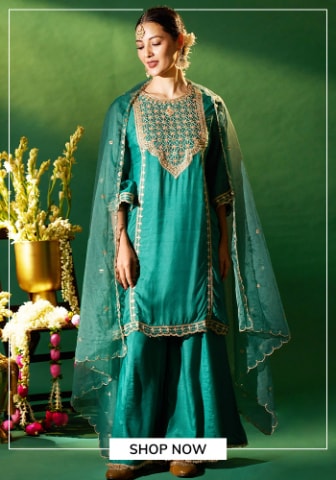
Think of it this way: A Gharara has a "mermaid" shape (tight then loose), while a Sharara has a "skirt" shape (loose throughout).
Occasions to Wear a Gharara Outfit
Now that you know what it is, where should you wear it? The Gharara dress is incredibly versatile, but it usually leans towards the formal and festive side.
Gharara for Weddings
This is the most popular setting for this outfit.
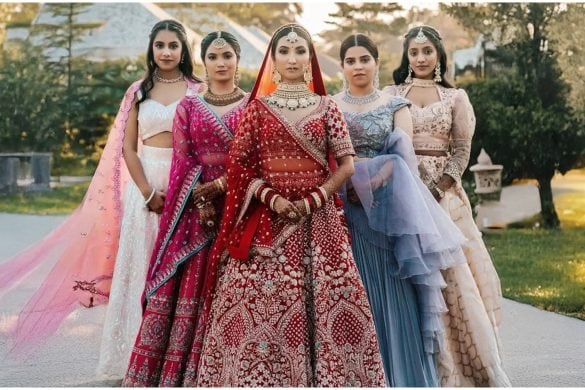
- For Brides: A heavily embroidered, red or gold Gharara for weddings is a classic choice for Muslim brides, especially for the Nikkah ceremony. It looks regal and distinct from the usual lehenga.
- For Guests: If you are attending a Sangeet or Reception, a lighter silk or georgette Gharara is perfect. It allows you to dance comfortably while looking incredibly stylish.
Gharara for Eid
Eid is synonymous with the Gharara.
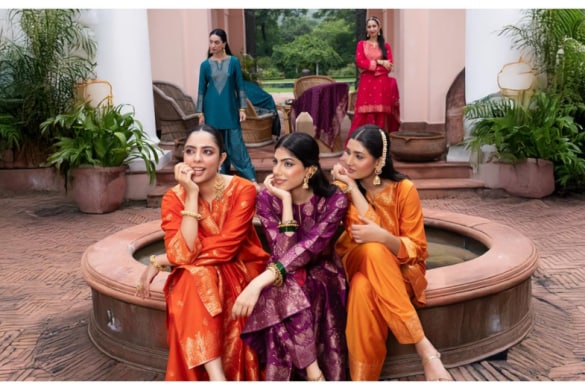
- The Vibe: An Eid Gharara outfit is often made of lighter fabrics like cotton, lawn, or chiffon. Pastel colors like mint green, peach, and powder blue are very trendy. It strikes the perfect balance between modesty and high fashion, making it ideal for family gatherings and prayers.
Festivals and Parties
Modern designers are creating "fusion" Ghararas. These might feature crop tops instead of kurtis or use funky prints. These are perfect for Diwali parties, family dinners, or even a friend's engagement party.
Styling Your Gharara Outfit Like a Pro
Wearing a Gharara suit is a statement in itself, but the right styling can take it to the next level.
1. The Right Jewelry
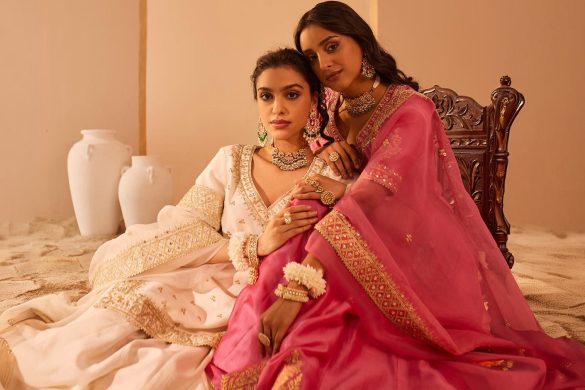
Because the Gharara has royal origins, traditional jewelry looks best.
- Passa (Jhoomar): This side headpiece is the ultimate accessory for a Gharara. It instantly gives you that majestic "Nawab" look.
- Maang Tikka and Chandbalis: Large, moon-shaped earrings (Chandbalis) complement the traditional vibe perfectly.
2. Footwear Matters
Since the pants are long and flared, you need a bit of height to prevent them from dragging on the floor.
- Heels: Wedges or block heels are great because they give you height without getting caught in the flared fabric.
- Juttis: If you are tall or prioritize comfort, a pair of embellished Mojaris or Juttis is the traditional choice.
3. The Modern Twist
If you want to wear a Gharara outfit but don't want to look too vintage, switch up the top.
- Crop Tops: Pair your Gharara pants with a crop top or a peplum blouse for a younger, trendier look.
- Belts: Add a waist belt over your dupatta to give the outfit structure and a modern edge.
Frequently Asked Questions (FAQs)
Let's answer some quick questions to make you a Gharara expert.
What is a gharara dress?
A gharara dress (or suit) is a three-piece traditional South Asian outfit consisting of a short tunic (kurti), a dupatta, and a specific style of pants that are fitted to the knee and then flare out dramatically.
Is gharara traditional or modern?
It is a traditional outfit with roots in the 19th century. However, it has been modernized by today's designers with new cuts, fabrics, and styling, making it a "modern traditional" staple.
What is a gharara lehenga?
Sometimes, the flare of the Gharara pants is so voluminous that when the wearer stands with feet together, it looks exactly like a Lehenga (long skirt). This is sometimes referred to as a "Gharara Lehenga," blending the comfort of pants with the look of a skirt.
Can I wear a Gharara if I am short?
Absolutely! The key is the length of the kurti. Opt for a shorter kurti (above mid-thigh) to show more of your legs, which creates an illusion of height. Also, wear heels!
What is a Gharara suit worn for?
It is primarily worn for celebratory occasions. This includes weddings (especially Nikkah and Mehendi ceremonies), Eid festivals, and formal family parties. It is rarely worn as casual daily wear due to the volume of fabric.
Why Shop Designer Ghararas at Aza Fashions?
If you are ready to add this royal ensemble to your wardrobe, finding the right fit and quality is crucial. A poorly stitched Gharara won't have the right flare or fit at the knee. This is why shopping at a trusted destination like Aza Fashions is a game-changer.
Here is why Aza is the best place to find your perfect Gharara outfit:
- Curated Designer Collections: You can browse stunning creations from India's top designers like Seema Gujral, Ridhi Mehra, and Abhinav Mishra. These aren't just clothes; they are pieces of art.
- Variety for Every Occasion: Whether you need a heavy, bridal-style Gharara for weddings or a breezy, printed Gharara for Eid, Aza’s occasion-based categories make it easy to find exactly what you need.
- Quality You Can Trust: The fabric flow is essential for a Gharara. Aza ensures you get premium fabrics like georgette, silk, and crepe that drape beautifully.
- Global Delivery: You don't need to fly to Lucknow to get an authentic look. You can shop online and have your designer outfit delivered right to your doorstep, ready for your next big event.
Final Verdict: Why You Need a Gharara
The Gharara is more than just a trend; it is a celebration of femininity, history, and craftsmanship. It offers a unique silhouette that is different from the usual sarees and salwar suits, ensuring you stand out in any crowd.
So, the next time you have a wedding invite or are planning your Eid look, skip the standard options and embrace the drama of the flare.
Ready to channel your inner royalty? Explore the exquisite collection of designer Gharara sets at Aza Fashions and twirl into tradition with style.