If you have ever watched a royal wedding or scrolled through photos of high-profile galas, you have likely spotted a Jodhpuri suit. It is that sleek, sophisticated outfit that looks like a perfect blend of a Western suit and Indian tradition. Often worn by grooms, politicians, and celebrities, the Jodhpuri suit is more than just clothing; it is a statement of elegance and class.
But what exactly is a Jodhpuri suit? Where did it come from, and why is it considered such a timeless piece of menswear? In this guide, we will explore everything you need to know about this iconic ensemble, from its royal roots to how you can style it today.
What Defines a Jodhpuri Suit?
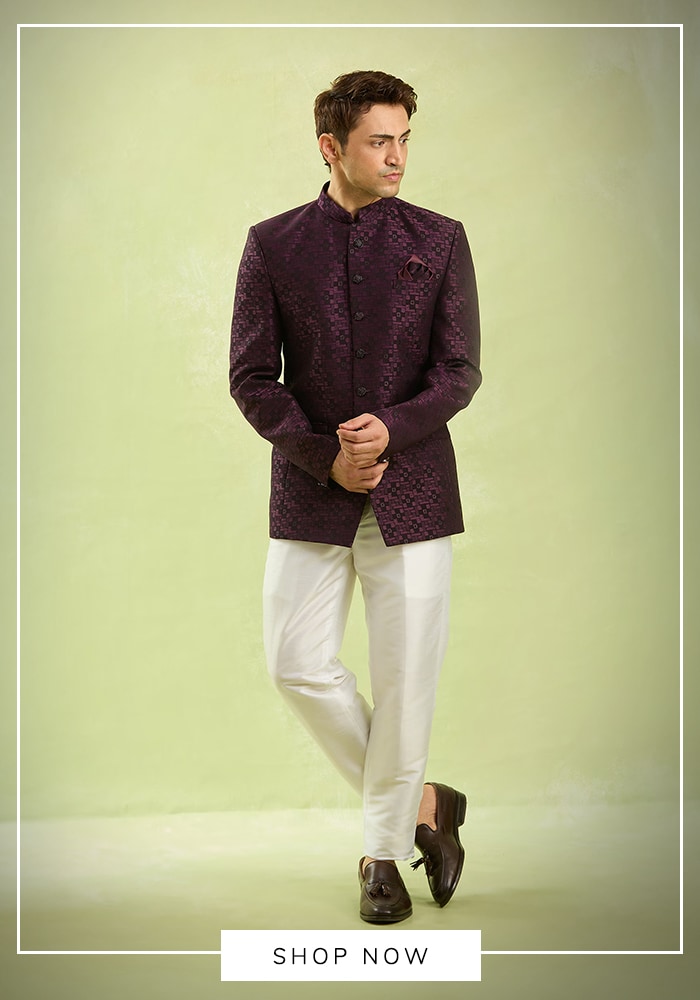
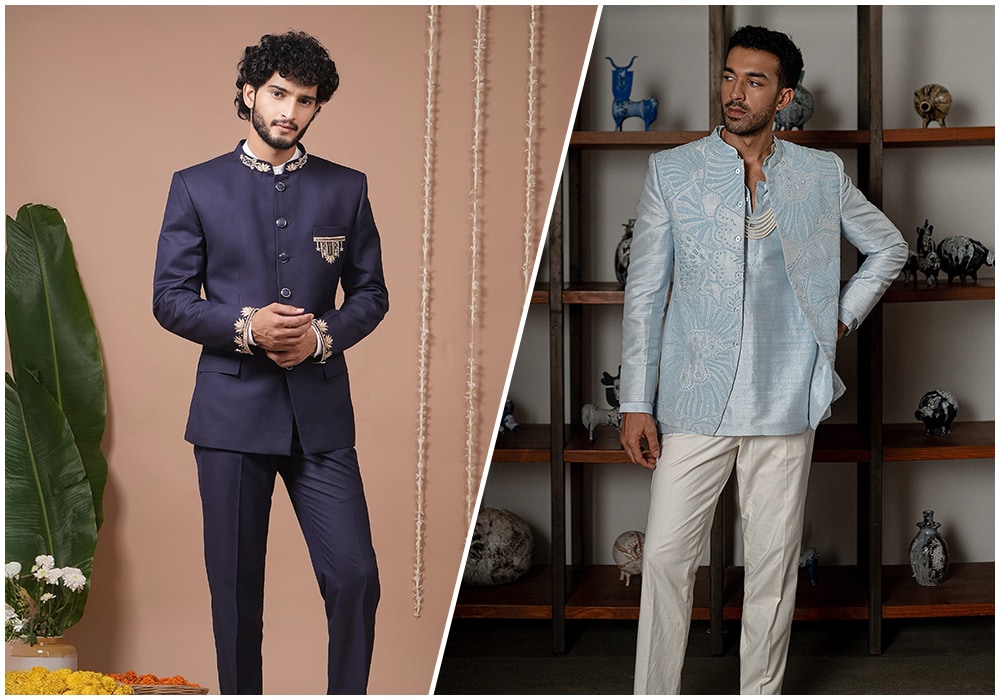
A Jodhpuri suit, sometimes called a Bandhgala suit (though there are subtle differences), is a formal evening suit from India. It consists of a coat and trousers, often accompanied by a vest. The most distinctive feature is the coat itself.
Unlike a standard Western blazer with lapels that fold back, a Jodhpuri coat features a high, standing collar known as a "bandh gala" (closed neck). It buttons all the way to the top, creating a clean, unbroken line that looks incredibly sharp. The jacket is typically shorter than a Sherwani, ending just below the hips, similar to a suit jacket.
This unique construction combines the structured tailoring of British riding jackets with the traditional aesthetics of Indian angarkhas. The result is a garment that feels both international and deeply rooted in Indian heritage.
Key Features to Look For
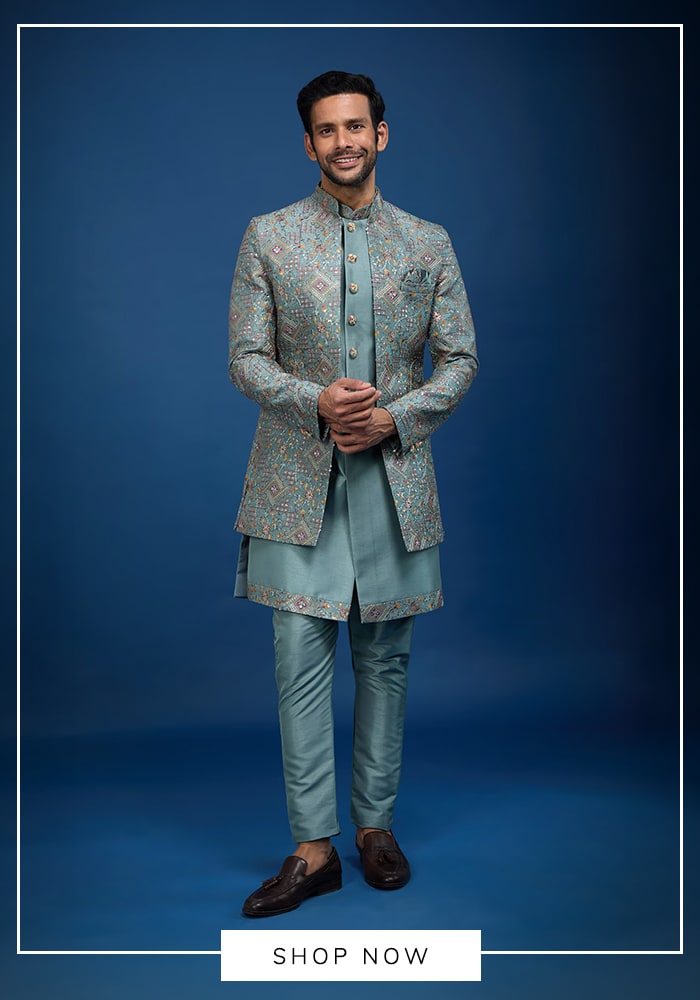
To spot a true Jodhpuri suit, look for these specific details:
The Collar: A high, stiff collar that stands about 1-2 inches tall. It is often lined with velvet or satin for comfort and style.
The Fit: Tailoring is everything. A Jodhpuri suit is cut close to the body to accentuate the chest and shoulders. It should never look baggy.
The Trousers: Traditionally, these suits were worn with breeches that were loose at the hips and tight from the knee down (perfect for riding horses). Today, they are mostly paired with slim-cut trousers that match the jacket for a modern, streamlined look.
The Buttons: The buttons are often metallic, made of brass, silver, or gold, and sometimes feature intricate crests or designs, adding a jewelry-like element to the outfit.
A Brief History of Royalty
The story of the Jodhpuri suit is as fascinating as the garment itself. It originated in the princely state of Jodhpur, Rajasthan, during the British Raj. Legend has it that the Maharaja of Jodhpur, Pratap Singh, popularized this style when he traveled to England for Queen Victoria’s Diamond Jubilee in 1897.
Needing an outfit that represented his culture but was appropriate for English weather and riding activities, he combined the Indian Angarkha with English riding breeches and jackets. The result was a functional yet incredibly stylish outfit that caught the attention of the British aristocracy. It quickly became a symbol of status and sophistication among Indian royals and has remained so ever since.
How to Style a Jodhpuri Suit for Modern Occasions
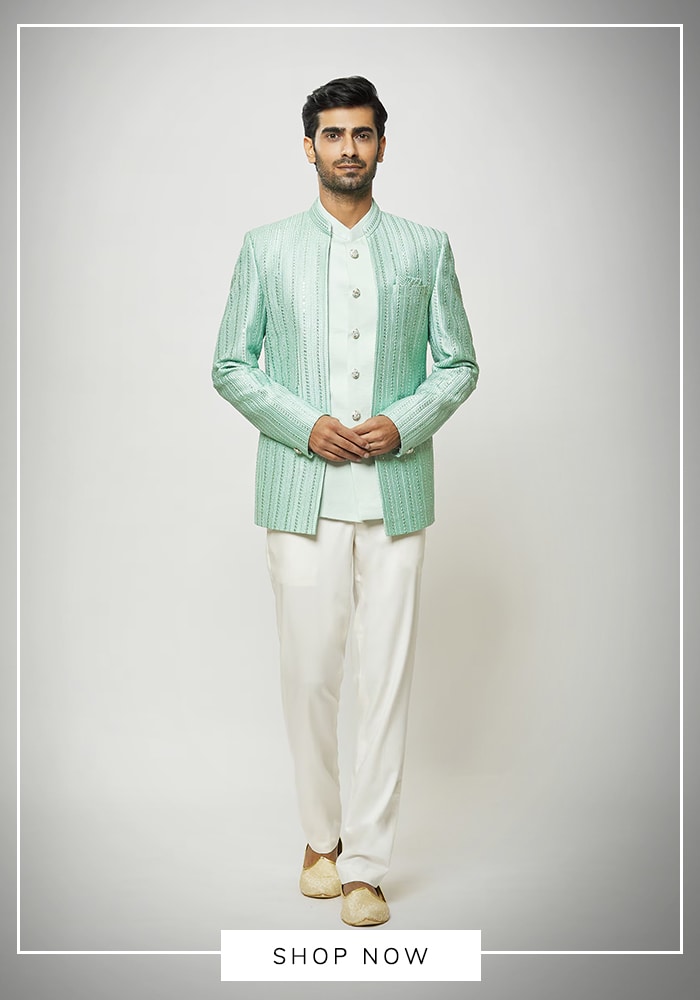
While it started as royal attire, the Jodhpuri suit is now a popular choice for weddings, formal dinners, and receptions. It is versatile enough to be traditional yet modern. Here is how you can style it to look your best.
1. The Classic Groom Look
For a wedding, nothing beats the classic Jodhpuri suit in deep, regal colors. Think navy blue, black, or charcoal grey. These colors command respect and look fantastic in photos. Pair the jacket with matching trousers and polished black Oxford shoes. To add a touch of grandeur, you can use a pocket square in a contrasting color like red or gold.
2. The Contemporary Twist
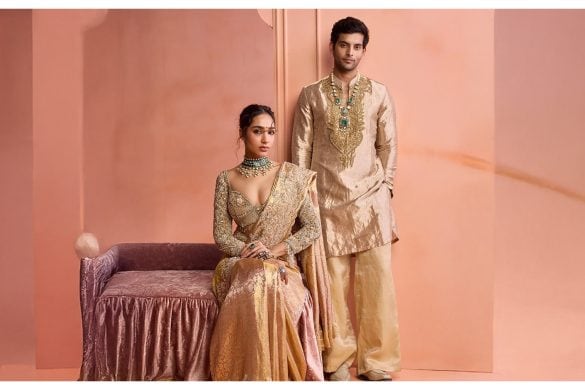
If you are attending a cocktail party or a friend's engagement, you can experiment with fabrics and colors. A beige or cream Jodhpuri suit looks excellent for daytime events. You can also mix and match—wear a black velvet Jodhpuri jacket with grey trousers for a chic, mismatched look.
3. Accessorizing is Key
Since the suit itself is so structured and clean, accessories play a huge role.
Pocket Square: A silk pocket square is almost mandatory. Fold it neatly for a crisp look or puff it for a bit of flair.
Brooch: A jeweled brooch pinned to the collar or chest pocket adds a royal touch without being overwhelming.
Footwear: Avoid sneakers or casual loafers. Stick to formal leather shoes, Jodhpuri boots (ankle boots with a strap), or traditional embroidered mojari shoes if the event is very traditional.
4. Fabric Matters
The choice of fabric changes the vibe of the suit.
Velvet: Perfect for winter weddings and evening receptions. It looks rich and luxurious.
Linen or Cotton: Ideal for summer events. It keeps you cool while maintaining that sharp structure.
Wool or Silk Blends: Great for all-year-round formal wear, offering a subtle sheen that looks expensive.
Why Choose a Jodhpuri Suit?
In a sea of standard tuxedos and sherwanis, a Jodhpuri suit stands out. It offers a slimming silhouette that flatters almost every body type. It projects an image of confidence and cultural pride. Whether you are the groom, the best man, or a guest, this outfit ensures you look polished and put-together.
It bridges the gap between the East and the West perfectly. You get the comfort and cut of a suit with the elegance of Indian tradition. If you are looking to invest in a piece of clothing that will never go out of style, this is it.
For those ready to embrace this regal look, you can explore a wide range of designer Jodhpuri suits at retailers like Aza Fashions. From heavily embroidered options for weddings to sleek, minimal designs for parties, there is a style for every modern man.
Embrace the legacy of the Maharajas and add a Jodhpuri suit to your wardrobe. It is not just a suit; it is a piece of history tailored just for you.