 When you think of Indian royal attire, you might picture intricate embroidery, luxurious fabrics, and silhouettes that command attention. One garment that perfectly captures this essence is the Achkan. Often confused with the Sherwani or the Bandhgala, the Achkan has its own unique identity and history. It is a symbol of refinement and sophistication, worn by nobility for centuries and now a favorite choice for grooms and fashion-forward men. An Achkan is a traditional knee-length coat worn by men in the Indian subcontinent. It is a classic example of Indo-Persian fashion fusion. Unlike the heavier, more flared Sherwani, the Achkan is lighter and more streamlined, offering a sharp and tailored look. It exudes a quiet power, making it the perfect choice for weddings, festivals, and formal gatherings where you want to look distinguished without being overly flashy.
The Defining Features of an Achkan
To truly appreciate the Achkan, you need to understand what makes it special. Its design is a lesson in subtlety and grace.The Silhouette and Fit
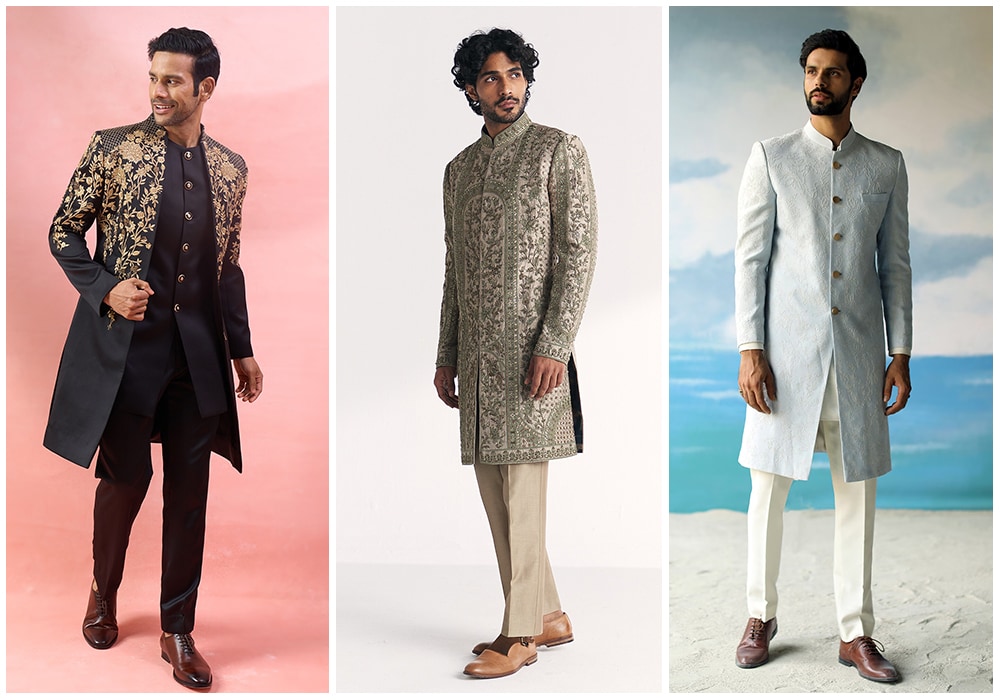
 The most distinct feature of an Achkan is its fit. It is designed to be more compact and fitted than a Sherwani. While a Sherwani flares out from the waist, an Achkan follows the lines of the body more closely, creating a straight and streamlined silhouette. This makes it an excellent choice for men who prefer a leaner, more structured look.
The Length
Traditionally, an Achkan falls just to the knees or slightly below them. This length is crucial; if it were shorter, it might look like a jacket, and if it were longer, it would lose its distinct charm. This mid-length cut allows for ease of movement while maintaining a formal appearance.The Fabric
Achkans are often made from lighter, finer fabrics compared to other traditional coats. You will frequently see them crafted in high-quality silk, brocade, or fine wool. Because the fabric is less bulky, the garment drapes beautifully and feels comfortable to wear for long periods, which is a huge plus during lengthy wedding ceremonies.The Front Opening
A classic Achkan features a front opening with buttons. However, unlike a western shirt where buttons go all the way down, the buttons on an Achkan often stop midway or extend fully, depending on the specific style. The neckline usually features a mandarin collar (standing collar), adding to its regal vibe.Achkan vs. Bandhgala: What’s the Difference?
It is easy to mix up these two garments because they share similar roots, but they are quite different in practice.- Length: This is the biggest giveaway. A Bandhgala is a hip-length jacket, similar to a western suit jacket but with a standing collar. An Achkan is much longer, reaching down to the knees.
- Vibe: A Bandhgala feels more like a suit—sharp, corporate, and structured. An Achkan feels more traditional and ceremonial, carrying an air of old-world aristocracy.
- Pairing: While a Bandhgala is almost always worn with trousers, an Achkan is versatile. It is traditionally paired with tight-fitting trousers called churidars, but can also be worn with dhotis or even straight-cut pants for a modern twist.
The Cultural Significance
The Achkan has a rich history that dates back to the medieval period. It became prominent in the royal courts of Northern India and was later popularized during the British Raj as a formal dress code for Indian nobility. It represents a blending of cultures, merging the Angrakha of ancient India with Persian court styles and eventually British tailoring influences. Today, wearing an Achkan is a nod to this heritage. It is not just clothes; it is a way of connecting with a legacy of craftsmanship and elegance. It remains a staple in North Indian weddings, particularly for the groom and his close family, symbolizing dignity and celebration.How to Style an Achkan Today
 Modern fashion has embraced the Achkan, updating it for the contemporary man. Here is how you can style it to look effortlessly dapper.
The Traditional Groom Look
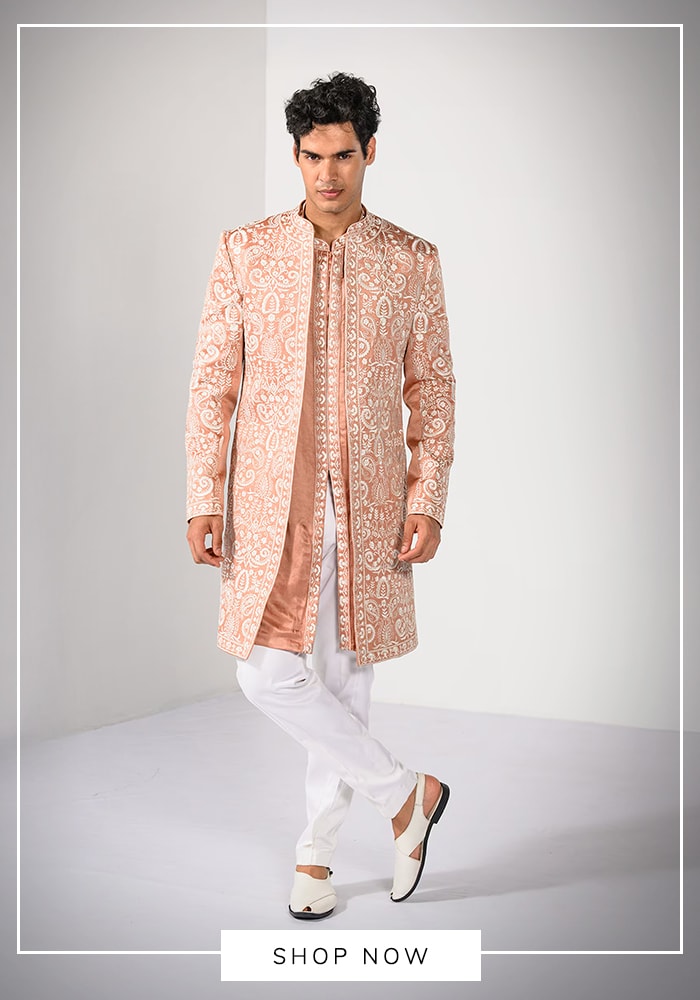
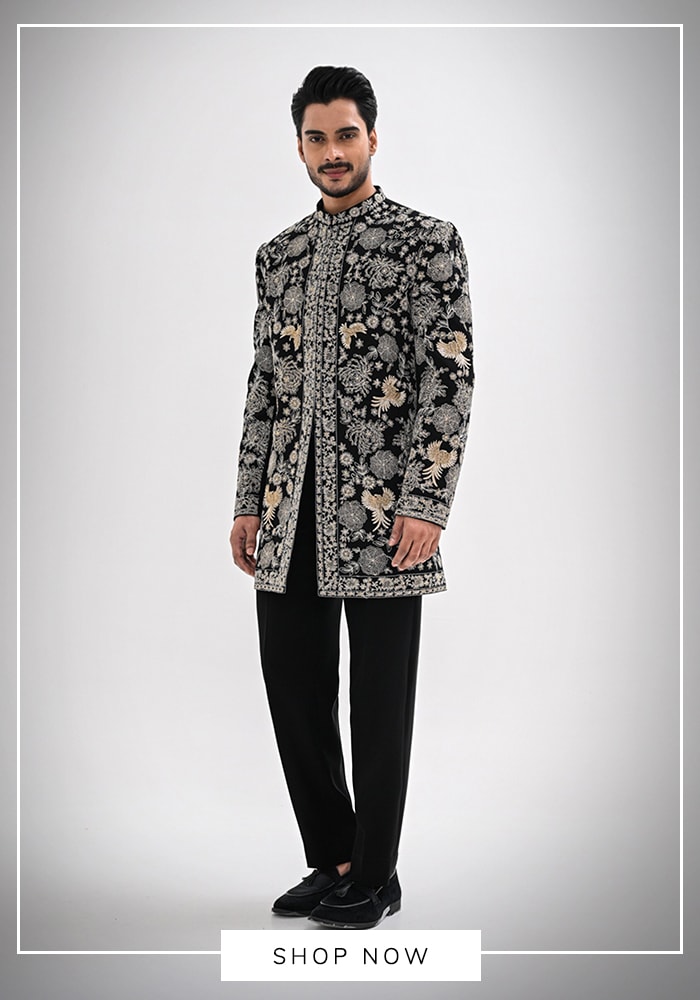
For a wedding, go for an Achkan in rich jewel tones like emerald green, deep maroon, or royal blue. Look for subtle embroidery around the collar and cuffs. Pair it with a contrasting churidar (typically white or beige) and traditional mojari shoes. A matching stole or dupatta draped over one shoulder completes this regal ensemble.The Minimalist Modern Look
If you prefer something understated, choose a solid-colored Achkan in pastel shades like mint, peach, or cream. Avoid heavy embroidery and let the cut of the fabric speak for itself. Pair this with straight-cut trousers instead of churidars for a cleaner, more modern silhouette. This look is perfect for reception parties or engagement ceremonies.Accessorize Wisely
Accessories can make or break the outfit.- Brooch: A jeweled brooch pinned to the chest adds a touch of royalty.
- Pocket Square: Yes, you can wear a pocket square with an Achkan! It adds a pop of color.
- Footwear: Stick to traditional footwear like juttis or mojaris. Western dress shoes can sometimes clash with the traditional length of the Achkan.
Why You Should Own an Achkan
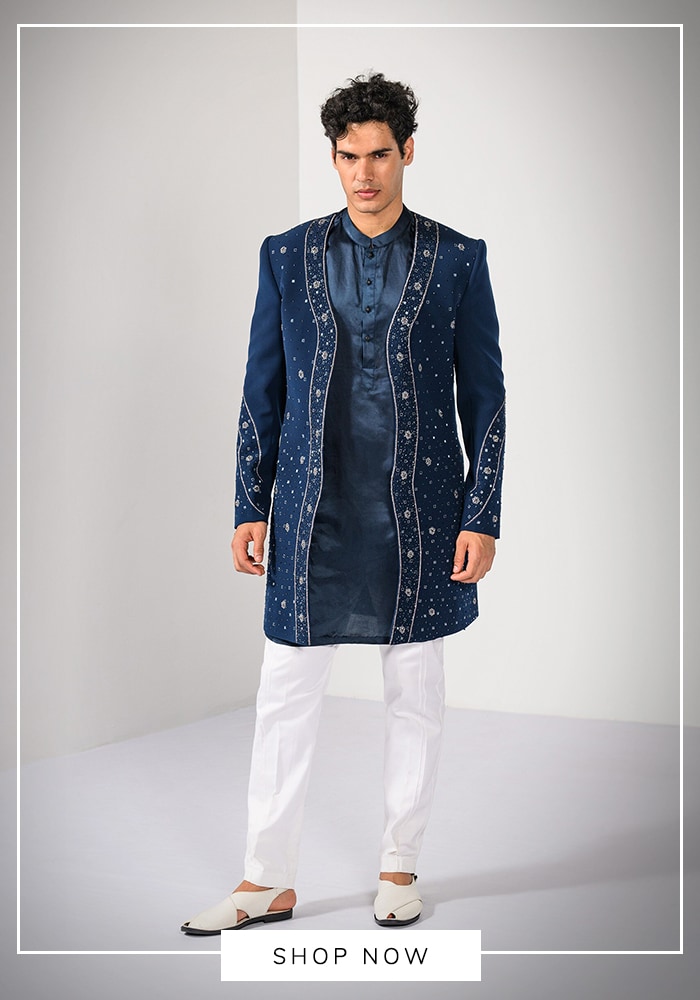 The Achkan is the ultimate wardrobe investment for the festive season. It offers a sophisticated alternative to the common Kurta Pajama or the heavy Sherwani. It strikes the perfect balance—formal enough for your own wedding, yet versatile enough to wear to a friend's reception. If you are looking to add this piece of timeless elegance to your wardrobe, you can explore a wide range of designer collections at retailers like Aza Fashions. Whether you want something heavily embellished for a big day or sleek and simple for a party, the Achkan ensures you stand out with grace. Embracing the Achkan means embracing a style that is both historically rich and refreshingly modern. It is a garment that tells a story, and when you wear it, you become part of that narrative.