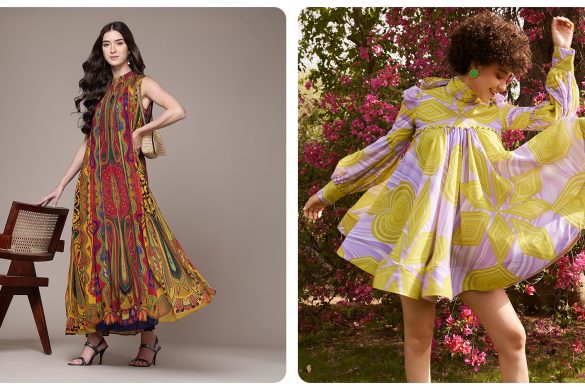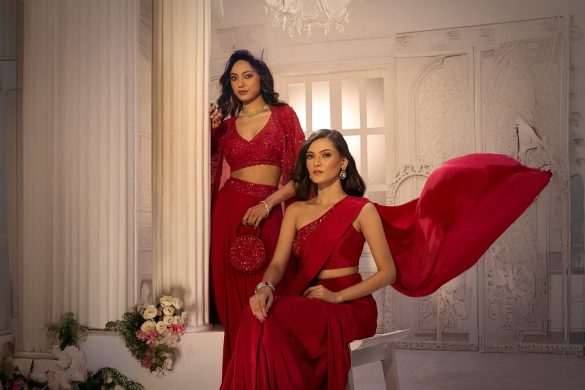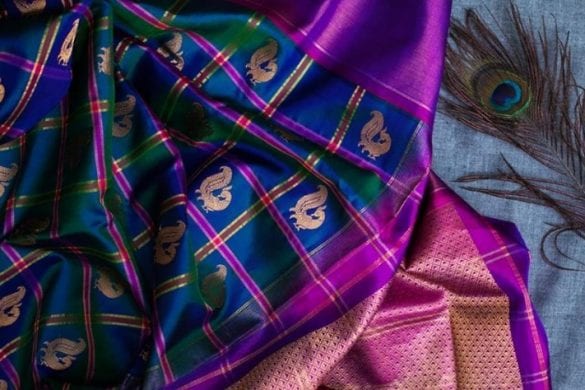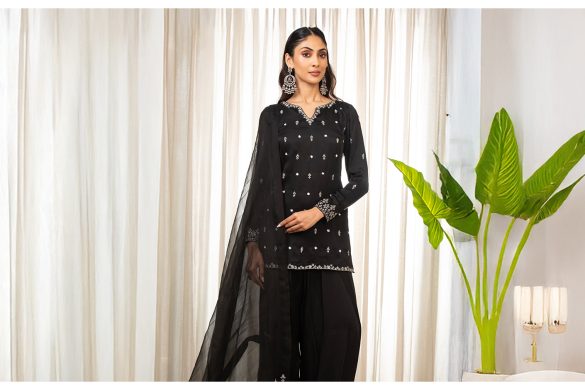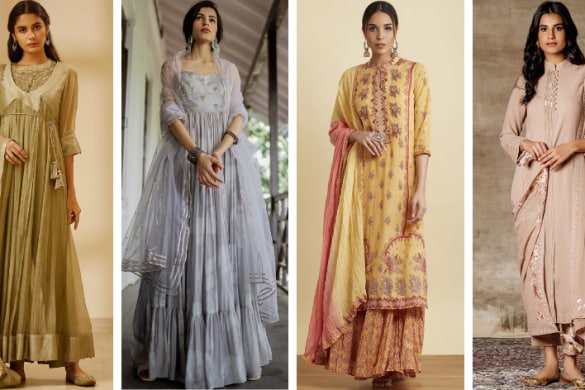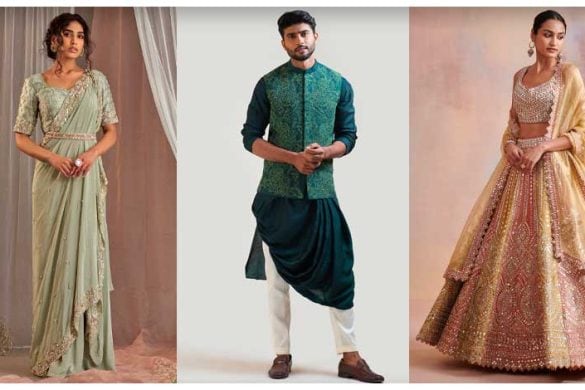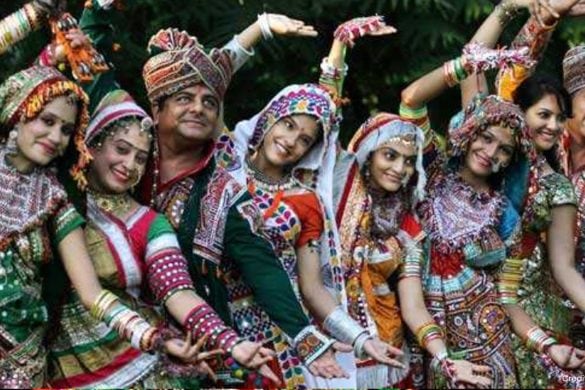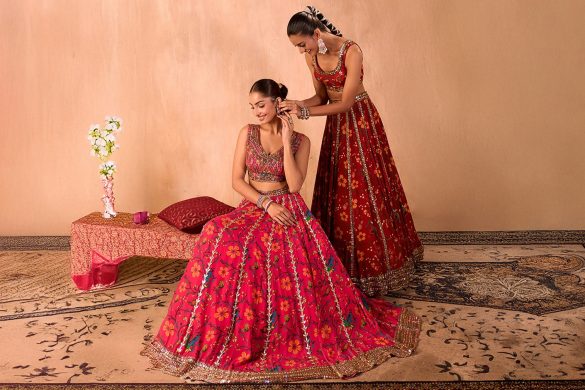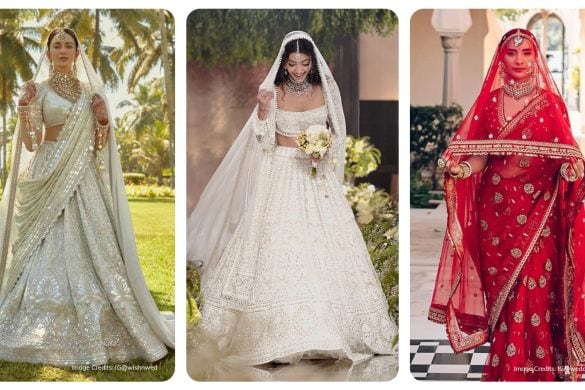
For a Nikah, guests should wear elegant, modest attire with covered shoulders, arms, and legs—an Anarkali, full-sleeved salwar suit, saree, or Pakistani formal for women, and a kurta, shalwar kameez, or sherwani for men. For the Walima reception, you can dress more glamorously with richer embellishment and jewel tones. Embrace pastels, jewel tones, and metallics. Avoid all-white (it can read as bridal) and all-black for the ceremony.
A Nikah and Walima come with their own rhythm—one solemn and spiritual, the other festive and celebratory. If you've been invited to both, dressing right means understanding the difference. This guide breaks down exactly what to wear to each, so you show up looking respectful, polished, and appropriately festive.
What to Wear to a Nikah Ceremony
The Nikah is the religious marriage ceremony, and modesty is the guiding principle. Aim for covered shoulders, full or three-quarter sleeves, and hemlines that reach at least the knee—full-length is safest.
Modesty essentials:
- Cover shoulders and upper arms (full-sleeved or elbow-length works well)
- Avoid deep necklines and backless cuts
- Choose fabrics that aren't sheer or clingy
- Keep a dupatta or scarf handy—some venues expect head-covering
The mood is graceful rather than flashy. Think refined embellishment over heavy sparkle. If you're decoding invite terminology, our Indian wedding dress codes decoded guide explains what "traditional" and "festive" really mean.
What to Wear to a Walima Reception
The Walima is the celebration hosted after the marriage—far more relaxed on formality. This is your chance to go glamorous. Richly embroidered outfits, statement jewelry, and bolder silhouettes all fit the evening mood.
Women can lean into embellished lehengas, saree gowns, or heavily worked Pakistani formals. Men can elevate their look with an ornate sherwani or a well-tailored suit.
Color Guidance: What to Embrace and Avoid
Color sets the tone. Here's a simple rule of thumb.
Great choices:
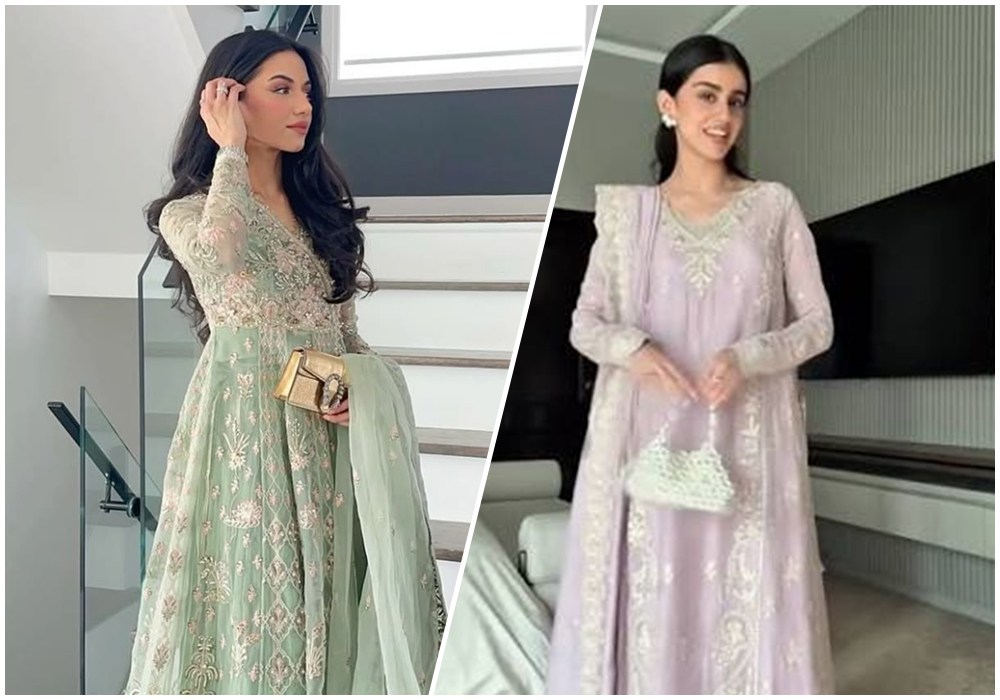
- Pastels—blush, mint, lavender, powder blue
- Jewel tones—emerald, sapphire, ruby, teal
- Metallics—gold, champagne, rose gold for evening
Approach with care:
- All-white: Can read as bridal and carries mourning associations in some cultures
- All-black for the Nikah: Feels somber for a religious ceremony; save embellished black for the Walima
- Anything that upstages the couple with heavy red bridal looks
Outfit Ideas for Women
- Anarkali suits: The go-to choice—floor-length, elegant, and naturally modest with full sleeves
- Salwar suits: Comfortable and refined, ideal for the Nikah
- Sarees: Timeless; pair with a fuller-coverage blouse for the ceremony
- Pakistani formals: Embellished shararas, ghararas, and angarkha sets suit both events beautifully
Outfit Ideas for Men
- Kurta pyjama: Clean and versatile, perfect for the Nikah
- Shalwar kameez: Traditional and elegant, especially in cream, ivory, or soft tones
- Sherwani: The dressiest option—ideal for the Walima
- Nehru jacket over a kurta: A polished middle ground for either event
Function-by-Function Breakdown
- Nikah: Modest, elegant, covered. Pastels or jewel tones in an Anarkali or salwar suit.
- Walima: Festive and glamorous. Embellished lehengas, saree gowns, or ornate sherwanis.
- Mehendi/Sangeet (if included): Bright, playful colors in fabrics you can move in.
New to South Asian weddings? Our non-desi guest guide walks through each function in detail.
Practical Tips for Guests
- Ask your host about coverage expectations and any color preferences
- Carry a scarf for head or shoulder covering at the ceremony
- Choose easy footwear—shoes often come off at the entrance
- Order early if shopping online; allow 2–4 weeks for shipping and alterations
Frequently Asked Questions
What should I wear to a Nikah as a guest?
Wear modest, elegant attire—an Anarkali, full-sleeved salwar suit, saree, or Pakistani formal for women, and a kurta, shalwar kameez, or sherwani for men. Cover shoulders and arms, and keep a scarf handy for head-covering.
Can I wear a saree to a Nikah?
Yes. A saree is appropriate as long as you pair it with a fuller-coverage blouse and drape the pallu to keep your shoulders modest during the ceremony.
What's the difference between Nikah and Walima dressing?
The Nikah calls for modest, refined attire, while the Walima reception is more relaxed and glamorous—you can wear heavier embellishment and bolder colors.
Can I wear black to a Nikah or Walima?
Avoid all-black for the Nikah, as it can feel somber for a religious ceremony. Embellished black is more acceptable at the festive Walima reception.
Do I need to cover my head at a Nikah?
Not always, but some families and venues expect it. Bring a dupatta or scarf so you're ready if head-covering is requested.
Pick your two looks now—one modest for the Nikah, one festive for the Walima—and you're set to celebrate in style.