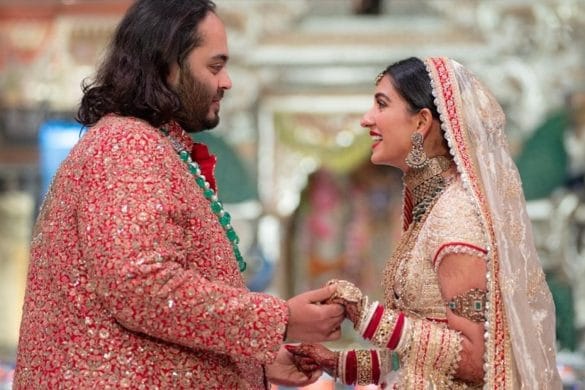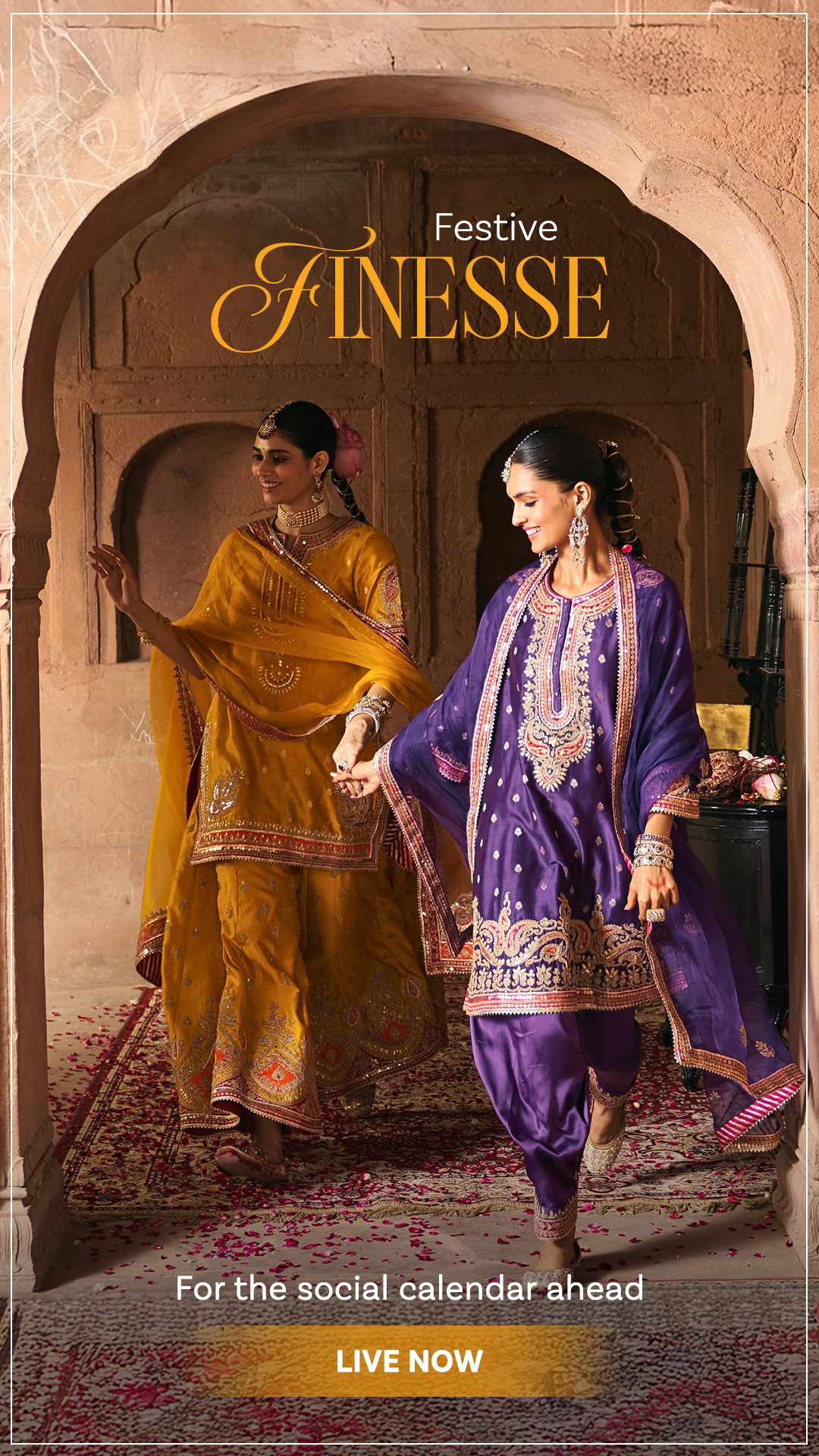
Guests at a Sikh wedding (Anand Karaj) should wear modest, colorful South Asian attire—salwar kameez, sarees, or kurta sets—in vibrant hues like pink, blue, or green. Cover your head with a dupatta or scarf, remove your shoes before entering the Gurdwara, and avoid wearing white, which is associated with mourning.
Attending an Anand Karaj is a privilege. The Sikh wedding ceremony is a deeply spiritual occasion held in a Gurdwara, and as a guest, dressing appropriately shows respect for the faith, the couple, and the community. Not sure where to start? This guide covers everything—from outfit ideas to Gurdwara etiquette—so you can arrive with confidence.
Gurdwara Etiquette: What Every Guest Should Know
Before picking your outfit, understand the basics of Gurdwara etiquette. These aren't suggestions—they're expected practices.
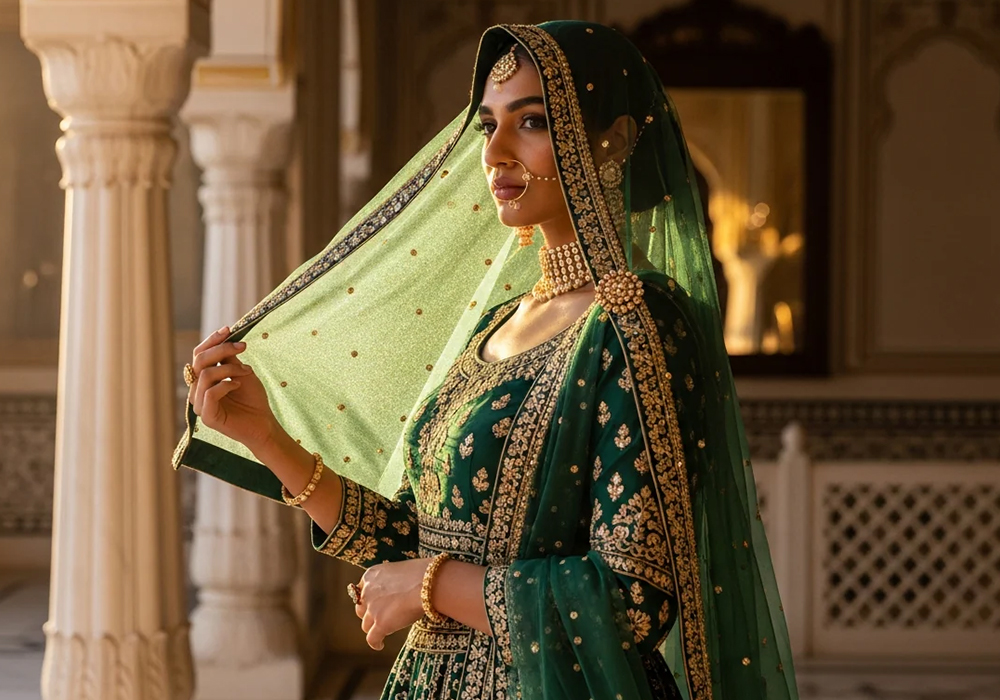
- Cover your head: All guests must cover their head inside the Gurdwara. Women can use a dupatta or stole; men typically wear a handkerchief or small cloth. Some Gurdwaras provide head coverings at the entrance, but it's best to bring your own.
- Remove your shoes: Footwear is removed before entering. You'll find a designated area near the entrance—usually with shoe storage facilities.
- Dress modestly: The Gurdwara is a house of worship. Avoid low necklines, sleeveless tops, short hemlines, or anything sheer without proper lining.
- Prepare to sit on the floor: Seating during the ceremony is on the floor—women on one side, men on the other. Choose an outfit you can sit cross-legged in comfortably.
- No alcohol: Alcohol is not permitted on Gurdwara premises. This applies to any pre-ceremony drinks consumed before you arrive as well, out of respect for the sacred space.
What Colors to Wear—and What to Avoid
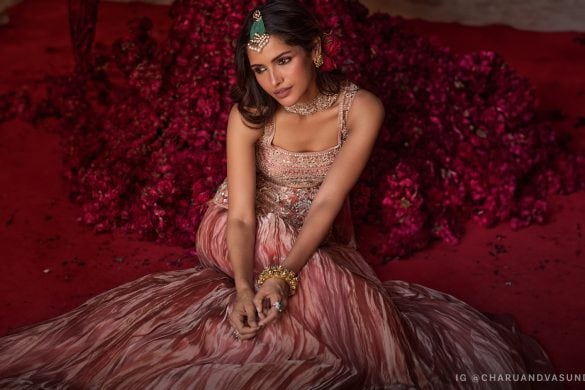
Color choice matters at a Sikh wedding. Vibrant, celebratory hues are welcomed and encouraged. Think jewel tones—deep pink, royal blue, emerald green, saffron, mustard, and rich purple. These shades complement the joyful spirit of the occasion beautifully.
Avoid white. In Sikh tradition, white is associated with mourning and grief. It's considered inappropriate for a celebratory ceremony. Similarly, avoid all-black outfits unless you're adding vivid accessories to brighten the look—though colorful attire is always the safer and more fitting choice.
Outfit Ideas for Women
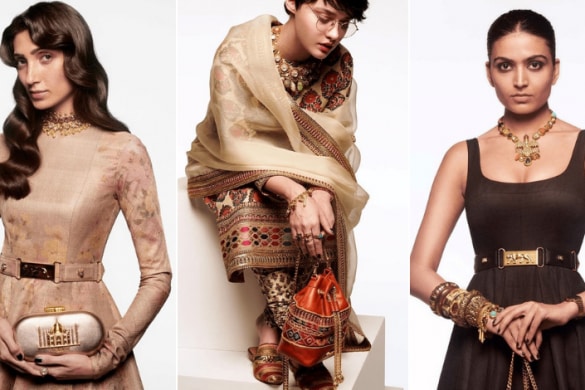
The key word for women is festive-but-modest. Here are the best options:
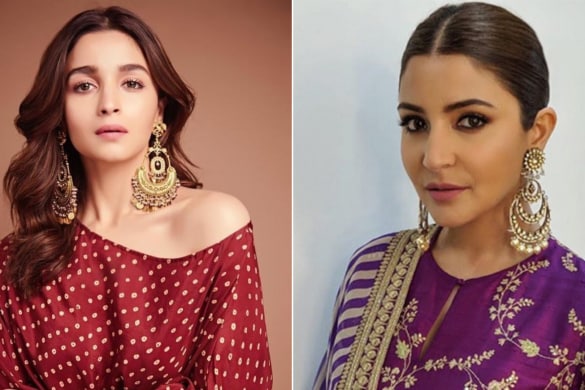
- Salwar kameez: A classic, versatile choice. Easy to move in, comfortable for floor seating, and available in countless colors and embroidery styles.
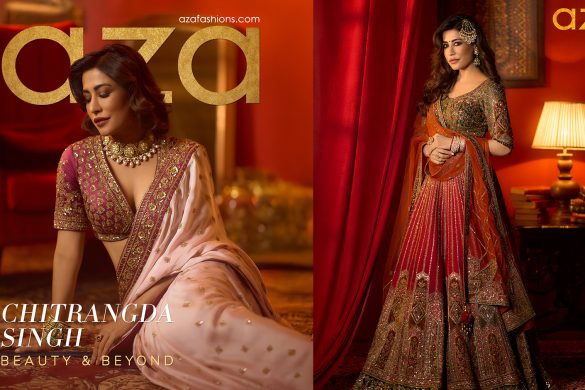
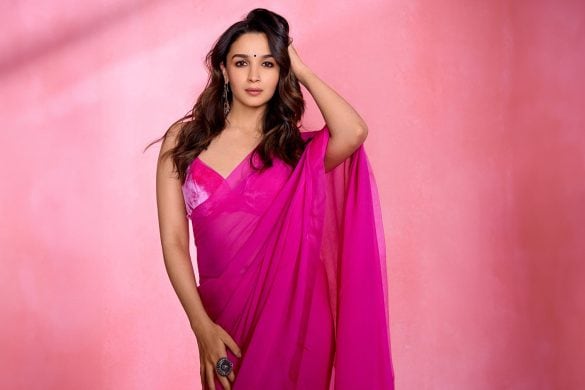
- Sarees: Elegant and timeless. If you're not confident draping one yourself, a pre-draped saree is a fuss-free alternative that looks just as stunning.
- Sharara sets: Wide-leg silhouettes with a kurta on top—graceful, comfortable, and very on-trend right now.
- Anarkali sets: Floor-length flared suits that are both modest and striking. Perfect for guests who want an effortlessly polished look.
Whichever style you choose, make sure your dupatta is long enough to use as a head covering throughout the ceremony.
Outfit Ideas for Men
Men have a straightforward but elegant path: the kurta set. Pair a well-fitted kurta with churidar, straight-cut pants, or even tailored trousers in a complementary color. Opt for fabrics like silk, cotton, or linen, and choose celebratory colors—navy, maroon, ivory, or rich earth tones all work well.
Bring a handkerchief, small scarf, or patka to cover your head. Some men also wear a turban-style head covering if