Indian weddings in the USA are some of the most joyful, colorful, and spectacular celebrations you'll ever be invited to. The outfits are stunning, the food is amazing, and the events can go on for multiple days. But if you've never attended one before — or even if you have — figuring out what to wear can feel overwhelming. What's appropriate? What's too casual? Can you wear Western clothes? Do you have to wear Indian clothes? At Aza Fashions, we've got all the answers. Here's your complete, simple guide to dressing for an Indian wedding in the USA.
First: Understand That Indian Weddings Are Multi-Day Events
Unlike most Western weddings, Indian weddings typically include several separate events spread across one to three days. Each event has its own vibe, its own dress code, and its own level of formality. You may be invited to some or all of these events, so it helps to know what each one is.
The Mehendi (Henna Ceremony)
This is usually a daytime or early evening event with a relaxed, colorful, festive feel. It's held before the main wedding day. Women get henna applied to their hands, there's music and dancing, and the atmosphere is warm and casual-celebratory. This is the most relaxed event of the wedding festivities.
The Sangeet
The Sangeet is essentially a big party — think dancing, performances, and a lot of energy. It's usually held the evening before the wedding. It's festive and glamorous, and guests tend to dress up in vibrant, colorful outfits. This is the event where you can really play with color and embellishment.
The Wedding Ceremony
This is the main event and the most formal. It can be a religious ceremony that lasts several hours. Guests are expected to dress up fully here — this is the occasion for your most beautiful, most considered outfit. Modesty is appreciated, especially during religious portions of the ceremony.
The Reception
The reception is the celebratory dinner and party after the ceremony. It's formal to semi-formal depending on the couple and venue. Think of it like a Western cocktail reception — elevated, festive, and elegant.
Should You Wear Indian or Western Clothes?
This is the most common question non-Indian guests ask — and the answer is: either is completely fine. Most Indian couples hosting a wedding in the USA genuinely appreciate when their non-Indian guests make an effort to wear Indian-inspired or Indian traditional clothing. It shows respect and enthusiasm for the culture. But it is absolutely not required. A beautifully styled Western outfit in appropriate colors and coverage is always welcome.
If you do want to try Indian clothing — and we strongly encourage it because it's a wonderful experience — here's what you need to know about the main options.
Indian Outfit Options for Non-Indian Guests
The Saree
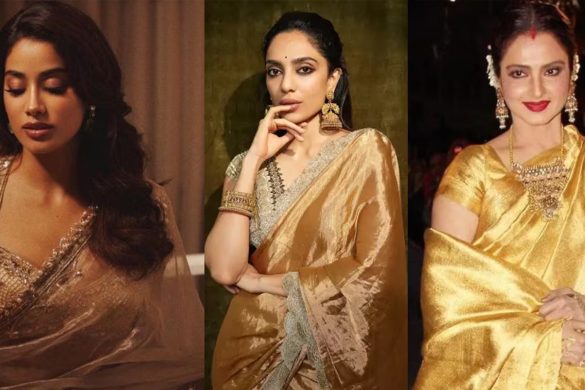
The saree is the most iconic Indian garment — a long piece of fabric draped around the body over a fitted blouse (called a choli) and a petticoat. It looks extraordinarily beautiful and photographs wonderfully. That said, draping a saree correctly can be tricky if you've never done it before. If you want to wear one, ask a friend to help you drape it, watch a tutorial in advance, or look for pre-stitched or easy-drape sarees that are made for beginners. A georgette, chiffon, or silk saree in a rich, jewel-toned color is perfect for a wedding.
Aza Tip: If you want to wear a saree but are nervous about the draping, look for a pre-stitched saree or a saree gown — they give you the same beautiful look without the draping challenge.
The Salwar Kameez or Anarkali
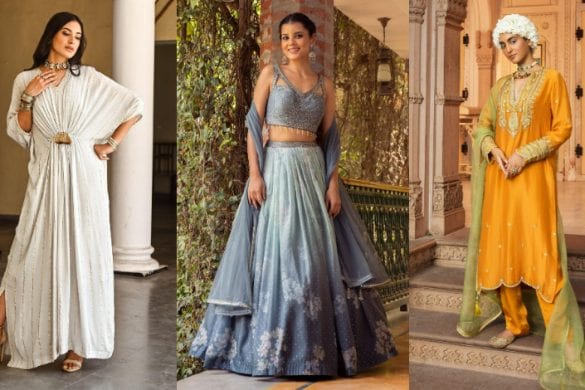
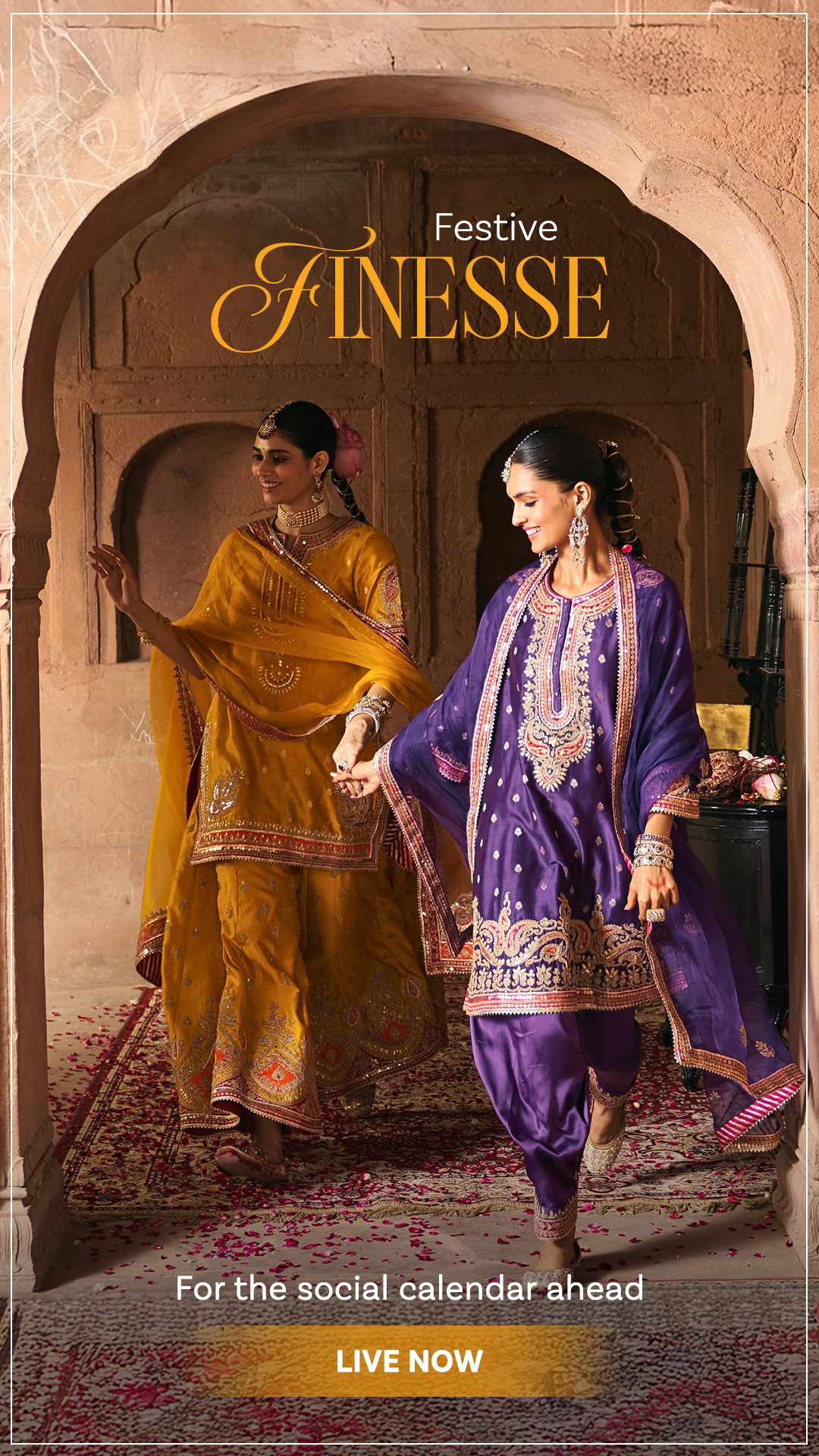
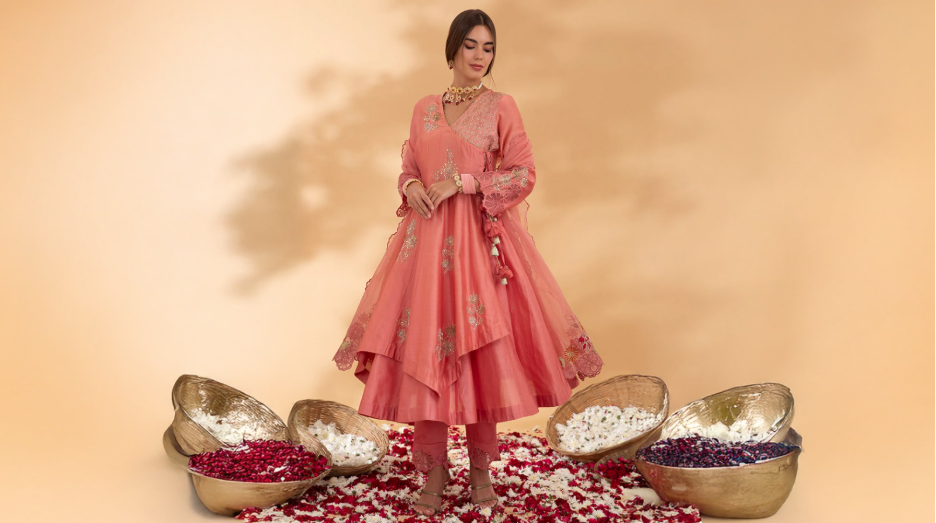
This is probably the easiest Indian outfit for non-Indian guests to wear. A salwar kameez is a long tunic top worn over loose or fitted trousers, often with a matching dupatta (scarf). An Anarkali is a floor-length or midi-length flared dress with a fitted bodice — think princess-style silhouette. Both are comfortable, elegant, and come in a huge range of fabrics, embellishments, and colors. This is a great starting point if it's your first time wearing Indian clothing.
The Lehenga
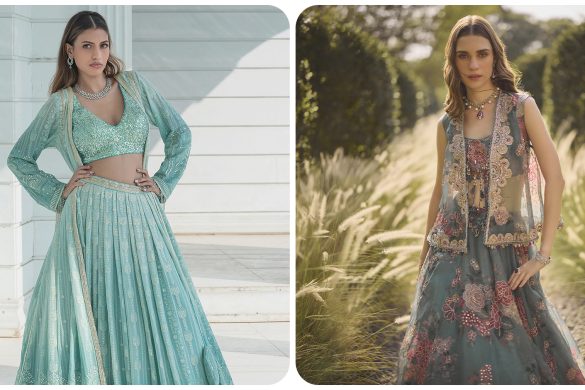
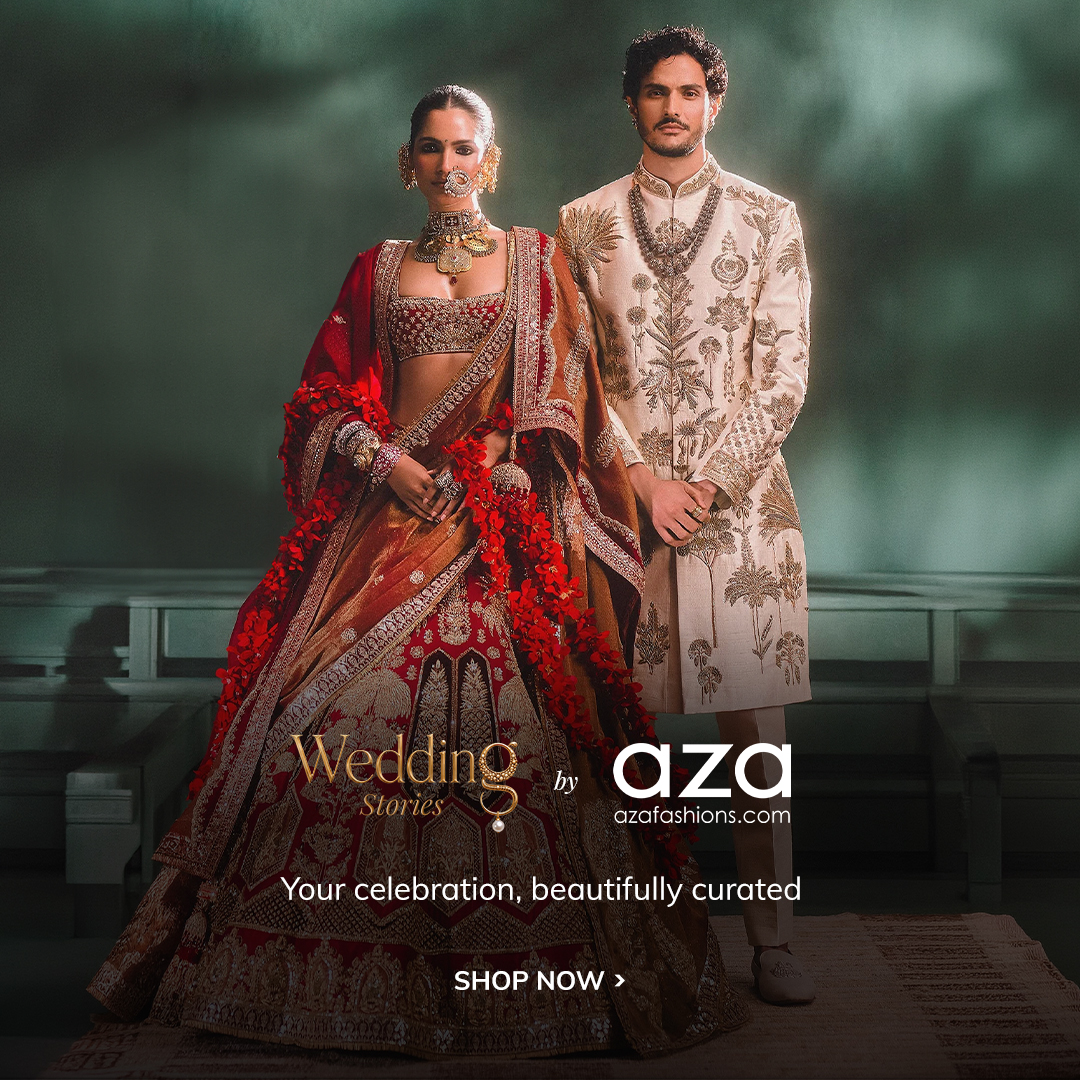
A lehenga is a long flared skirt worn with a fitted crop top (choli) and a dupatta. It's one of the most glamorous Indian outfit options and a popular choice for the Sangeet and wedding ceremony. Lehengas come in heavily embroidered or embellished versions for formal events, and lighter versions for the Mehendi. For non-Indian guests, a lehenga in a rich color with some embellishment is an absolutely stunning choice for the wedding or reception.
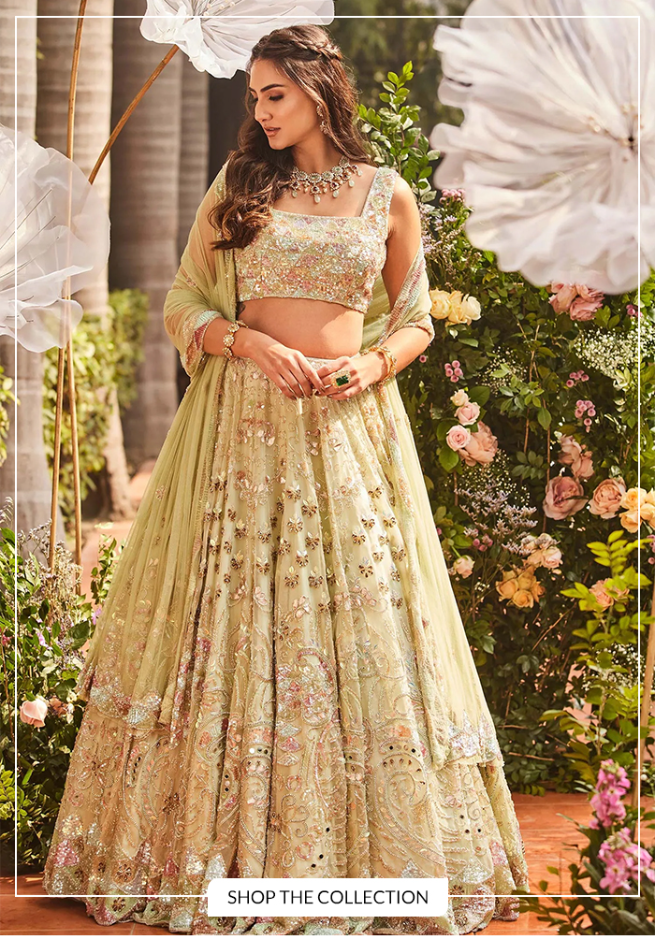
Aza Tip: For a Sangeet or reception, a lehenga in jewel tones like deep teal, royal blue, hot pink, or deep red with gold embroidery will look incredible and is very appropriate.
The Indo-Western Outfit
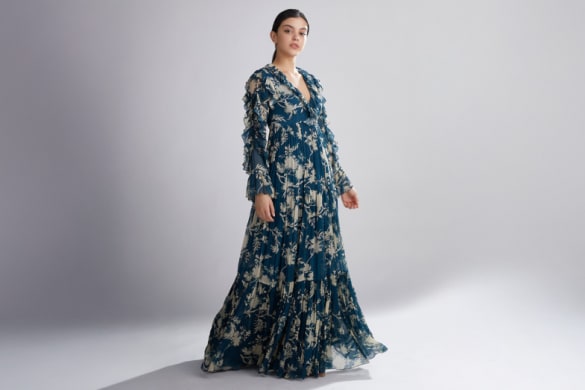
Indo-Western styles blend Indian silhouettes and fabrics with Western cuts — think a flowy Indian-print maxi dress, a kurta worn over wide-leg trousers, or a saree-inspired gown. These are a beautiful middle ground for guests who want to honor the cultural celebration without going full traditional Indian dress. They're also very comfortable and widely available in the USA.
Western Outfit Options That Work Beautifully
If you prefer to wear Western clothing, you absolutely can. The key is to dress with the same level of care and elegance you would for a formal gala or a very upscale cocktail party. Here's what works well.
For the Mehendi
A bright, colorful maxi dress or midi dress is perfect. Floral prints, bold solid colors, and flowy silhouettes all work wonderfully for this relaxed daytime celebration. Think festive sundress energy — but make it a little elevated. Flats or block heels are ideal since you may be sitting on the floor.
For the Sangeet
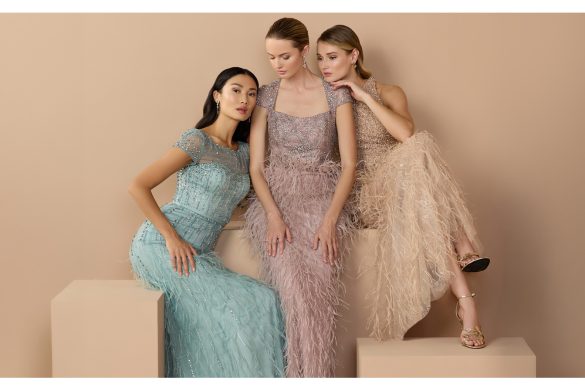
Go glamorous. A sequined or embellished midi dress, a jewel-toned satin gown, or a chic two-piece set in a bold color all work beautifully. The Sangeet is a party — dance in something you love and feel great in. Bold colors, shimmer, and statement jewellery are all very appropriate here.
For the Wedding Ceremony
Choose something formal, elegant, and modest. A floor-length gown, a heavily embellished midi dress, or a sophisticated silk jumpsuit are all great choices. Make sure your shoulders are covered or bring a wrap — many Indian ceremonies are held in temples or religious spaces where modesty is important. Avoid very casual or revealing styles for the ceremony.
For the Reception
A cocktail dress, an elegant midi, or a formal gown all work for the reception. This is your chance to dress up fully. Choose rich fabrics like silk, satin, or chiffon and opt for elevated accessories.
The Most Important Color Rules for Indian Weddings
Colors to Embrace
Indian weddings celebrate color like no other event. Rich, vibrant, jewel-toned colors are not just accepted — they're encouraged. Some of the best color choices for Indian wedding guests include:
- Royal blue, cobalt, or teal
- Emerald green or forest green
- Deep purple or violet
- Hot pink or magenta
- Gold, champagne, or bronze
- Burnt orange or terracotta
- Deep red or burgundy
- Bright yellow or mustard
Colors to Avoid
- White — traditionally associated with mourning in South Asian culture, not celebration
- All black — traditionally associated with funerals in many Indian communities (though for US-based weddings, a black outfit with colorful accessories can sometimes work — when in doubt, ask the couple)
- Bridal red — in many Indian traditions, the bride wears red. Avoid wearing a solid, deep bridal red that could be confused with the bride's color
Aza Tip: When in doubt about colors, go for a jewel tone — deep teal, royal blue, or emerald green are all gorgeous, always appropriate, and impossible to go wrong with at an Indian wedding.
What to Wear for Each Event at a Glance
Mehendi
- Vibe: Colorful, relaxed, daytime festive
- Best Western option: Bright floral maxi, colorful midi dress, flowy sundress
- Best Indian option: Light salwar kameez or simple Anarkali in bright colors
- Shoes: Flats, block heels, or juttis (traditional Indian flat shoes)
Sangeet
- Vibe: Glamorous party, dancing, evening event
- Best Western option: Sequined or embellished midi, jewel-toned satin gown, two-piece set
- Best Indian option: Lehenga or heavily embellished Anarkali
- Shoes: Heels you can dance in — block heels or kitten heels recommended
Wedding Ceremony
- Vibe: Formal, religious, most important event
- Best Western option: Floor-length gown or formal midi with covered shoulders
- Best Indian option: Saree, lehenga, or formal Anarkali with dupatta
- Shoes: Block heels or dressy flats — note you may need to remove shoes at a temple
Reception
- Vibe: Elegant dinner and party
- Best Western option: Cocktail dress, silk midi, formal gown
- Best Indian option: Saree, lehenga, or Indo-Western gown
- Shoes: Heels, strappy sandals, or dressy block heels
Jewellery and Accessories for an Indian Wedding
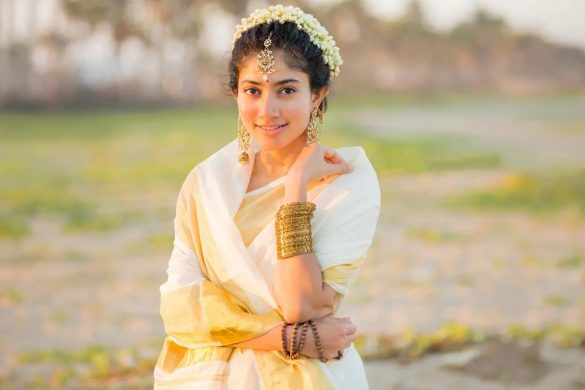
Indian weddings are the perfect occasion to go all out with accessories. More is more here. Statement earrings, layered necklaces, stacked bangles, and bold rings are all completely appropriate — and celebrated. If you're wearing Indian clothing, traditional gold or kundan jewellery (Indian-style ornate pieces) looks absolutely stunning. If you're in Western clothing, rich gold or jewel-toned accessories complement the festive atmosphere beautifully.
- Statement earrings — jhumkas (traditional bell-shaped Indian earrings) are beautiful and work with both Indian and Western outfits
- Bangles and stacked bracelets
- A maang tikka (forehead ornament) if wearing full Indian attire
- A bindi (forehead dot) — it's considered respectful and celebratory for guests to wear one
- A small clutch or potli bag (drawstring fabric bag) that matches your outfit
Aza Tip: Gold jewellery is the most universally appropriate choice for Indian weddings. It works with every color and every outfit style — Indian or Western.
Practical Things to Keep in Mind
You May Need to Remove Your Shoes
If the ceremony is held in a temple or a religious space, guests are typically asked to remove their shoes before entering. Keep this in mind when choosing footwear — shoes that are easy to slip on and off are very helpful. Avoid shoes with complicated buckles or straps that take time to remove.
You May Be Sitting on the Floor
At the Mehendi and sometimes during the ceremony, guests may sit on cushions or floor seating. Extremely tight skirts or very short hemlines can be uncomfortable in these situations. Choose silhouettes that allow you to sit comfortably on the ground — flowy dresses, wide-leg trousers, and maxi skirts all work well.
Indian Weddings Run Long — Dress for Comfort
Indian weddings and their associated events can last many hours. Make sure your shoes are comfortable enough to wear for an extended period. Block heels and wedges are much more practical than stilettos for a five-to-eight-hour celebration.
The Events May Be Indoors or Outdoors
Indian weddings in the USA are held in all kinds of venues — ballrooms, banquet halls, outdoor gardens, temples, and more. Check with the couple or the invitation to understand the venue, and dress accordingly. Outdoor events in warm weather call for lighter fabrics and more practical shoes.
Frequently Asked Questions
Can a non-Indian guest wear Indian clothes to an Indian wedding?
Yes, absolutely — and it's genuinely appreciated. Wearing Indian traditional clothing as a non-Indian guest is seen as a sign of respect and enthusiasm for the couple's culture. A salwar kameez, lehenga, or saree are all beautiful and welcome choices. Just make sure you're wearing the outfit respectfully and with care.
Is it okay to wear black to an Indian wedding in the USA?
Traditionally, black is associated with mourning in many Indian communities and is often avoided at celebratory events. However, Indian weddings in the USA are increasingly more relaxed about this, especially for non-Indian guests. If you want to wear black, pair it with bright, colorful accessories and jewellery to make it feel festive. When in doubt, ask someone close to the couple.
What should I never wear to an Indian wedding?
Avoid white — it's associated with mourning in South Asian culture. Avoid bridal red, which is often the bride's color. Avoid all-black unless you accessorize it with color. Avoid anything too revealing or too casual. And avoid dressing more elaborately than the bride.
What is the easiest Indian outfit for a first-time wearer?
A salwar kameez or Anarkali is the easiest Indian outfit for first-time wearers. It's comfortable, easy to put on, comes in countless beautiful styles and colors, and is appropriate for every Indian wedding event. You can find them at Indian boutiques and online stores across the USA.
What colors are best to wear to an Indian wedding?
Rich jewel tones are the best choices — royal blue, emerald green, deep purple, hot pink, gold, teal, and burnt orange all look beautiful at Indian weddings. The more vibrant, the better. Indian weddings celebrate color, and your outfit is part of that celebration.
Do I need to bring a gift to an Indian wedding in the USA?
This is a style blog, not an etiquette guide — but yes, bringing a gift or a card with cash or a check is generally customary and appreciated. Ask a mutual friend if you're unsure about the couple's preferences.
Final Thought
Indian weddings are among the most joyful, vibrant, and unforgettable celebrations you will ever attend. The colors, the music, the food, the outfits — everything is turned up to the maximum. Getting dressed for one should be exciting, not stressful. Use this guide as your starting point, lean into color and embellishment, and don't be afraid to try something new. Whether you choose a stunning lehenga or a beautifully styled Western gown, the most important thing is that you show up with joy, respect, and enthusiasm for the couple's celebration.