Every year on June 5th, the world pauses to celebrate World Environment Day, a moment designated by the United Nations to draw our collective attention to the planet we call home. It's a day for pledges, policies, and passionate conversations. But it's also, increasingly, a day for wardrobes.
Fashion is the second-largest polluter in the world. It guzzles water, dumps chemicals into rivers, and generates mountains of textile waste every single season. And yet, it is also one of the few industries where individual choices translate directly into measurable impact. What you choose to wear, or not wear, or wear again, is a political act. This Environment Day, let's talk about style that doesn't cost the earth.
The Indian Brands Stitching a Greener Story
India has a uniquely rich tradition to draw from when it comes to sustainable fashion. Long before "eco-conscious" became a marketing buzzword, Indian textiles were inherently slow, handcrafted, and rooted in community. A new wave of homegrown brands is now building on that legacy with intention and innovation.
Doodlage
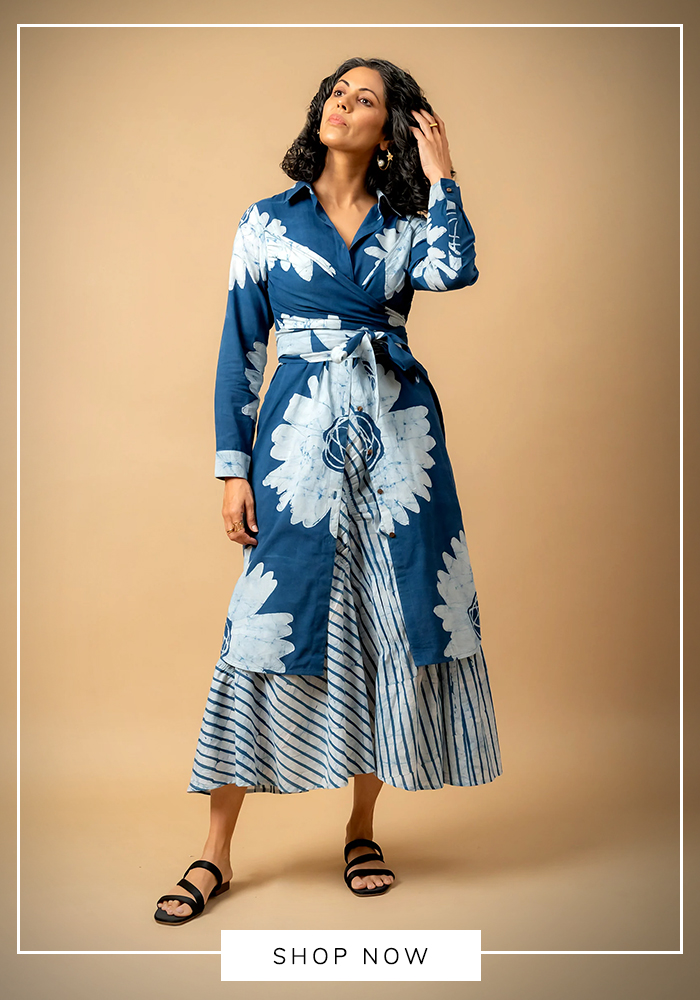
Doodlage is one of the most exciting names in India's circular fashion scene. Founded by Kriti Tula, the brand works almost entirely with fabric scraps and industrial waste,offcuts that would otherwise end up in landfills are transformed into beautifully constructed garments. Doodlage goes further than most by creating a closed-loop supply chain: unsellable inventory is shredded and repurposed into new material, and even their packaging is made from upcycled textile waste. The aesthetic is graphic, urban, and irreverent, proving that zero-waste fashion doesn't have to look like a compromise.
Grassroots by Anita Dongre
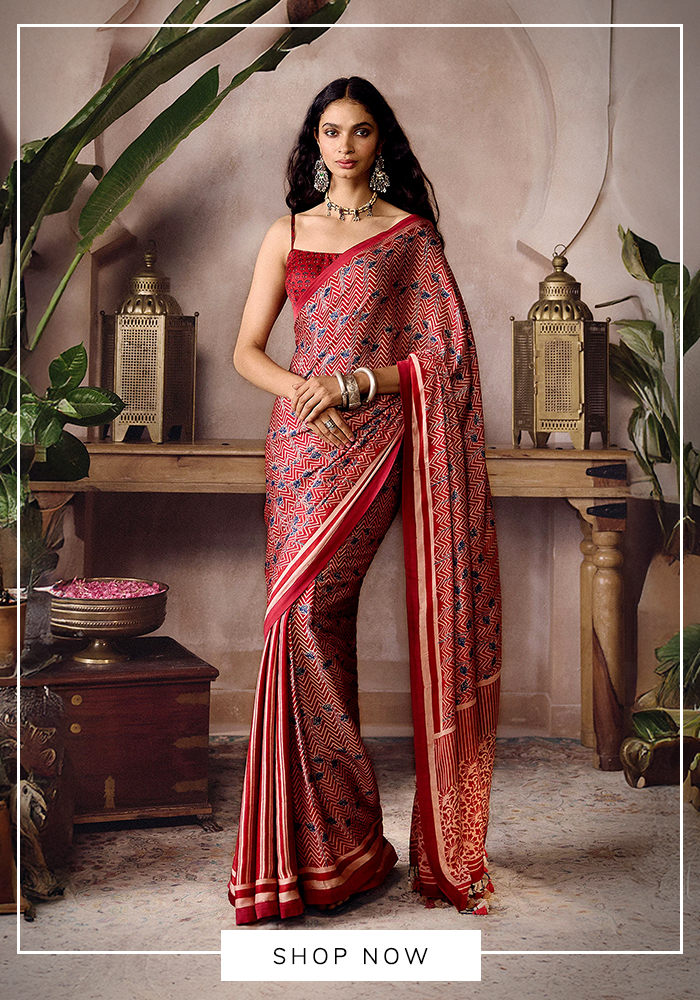
Grassroots by Anita Dongre takes a quieter, more deeply rooted approach. A sister label to the celebrated designer's flagship line, Grassroots was born out of Anita Dongre's commitment to reviving endangered Indian crafts and empowering the artisan communities behind them. Grassroots by Anita Dongre works directly with craftswomen in rural Rajasthan, keeping traditional techniques like block printing and hand embroidery alive through contemporary, wearable designs. Every piece sold supports a weaver or embroiderer — sustainability here is as much about human ecosystems as environmental ones.
Ka-Sha
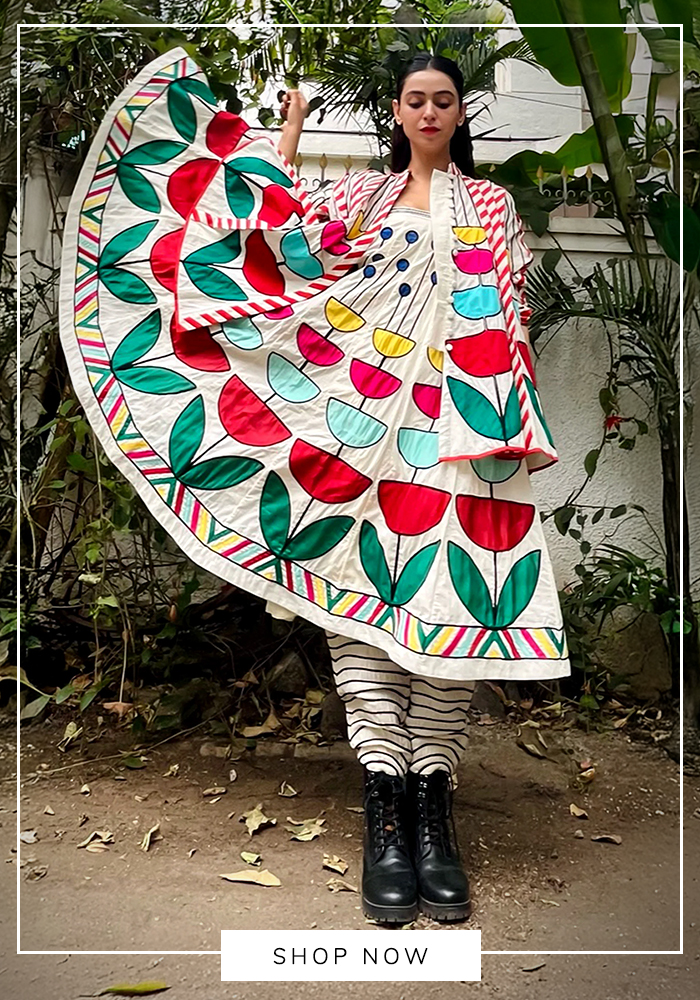
Ka-Sha, founded by designer Karishma Shahani Khan, operates from a deeply philosophical place. The brand's ethos is rooted in slowing down,slow design, slow production, slow consumption. Ka-Sha works with natural fibres, vegetable dyes, and hand-weaving traditions, often collaborating with craftspeople across India to produce limited, considered collections. There's an almost meditative quality to their work, a reminder that clothing can carry meaning beyond trend cycles. Ka-Sha also actively engages in conversations around conscious consumption, encouraging customers to repair, restyle, and rethink rather than replace.
The Summer House
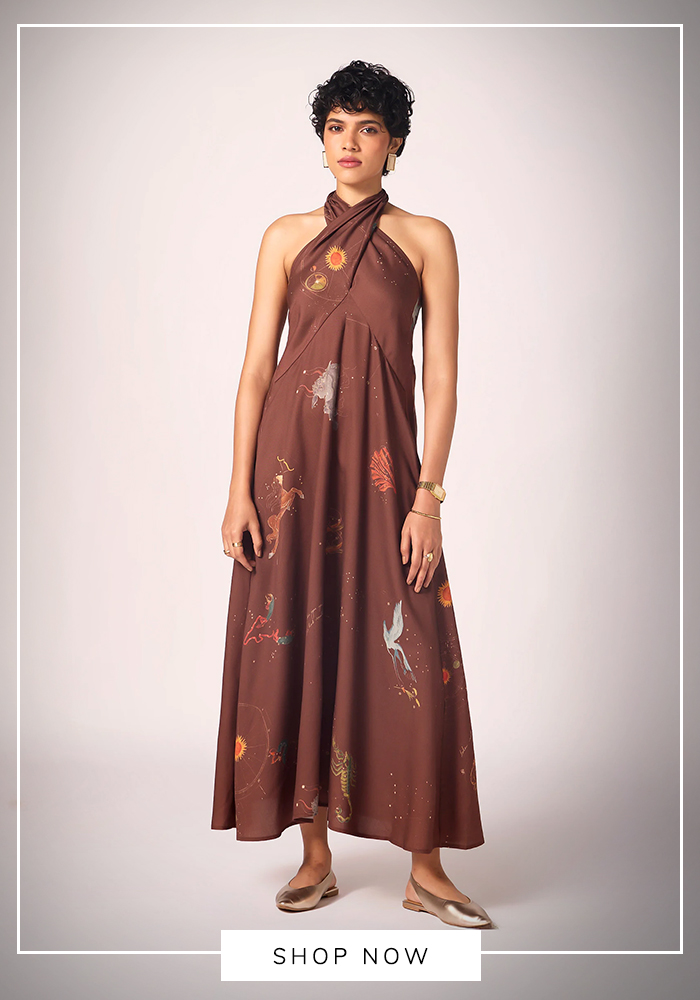
The Summer House is the label for the person who wants sustainable fashion to feel effortlessly everyday. Co-founded by Lena Singh and Shivangini Padhiyar, The Summer House uses natural, organic, and deadstock fabrics to create clean-lined, versatile clothing that you'd want to live in. Their commitment to slow fashion extends to how they communicate, no manufactured urgency, no endless sale cycles, no manufactured scarcity. The Summer House makes sustainability feel calm and accessible, not precious or performative.
Handloom: The Original Sustainable Story
Before we talk about the future of fashion, we need to talk about what already exists — and what has existed for centuries. India's handloom tradition is arguably the world's most sophisticated sustainable fashion system. No electricity, no industrial machinery, no synthetic dyes in the purest form of the craft, just a weaver, a loom, natural yarn, and an unbroken thread of inherited knowledge.
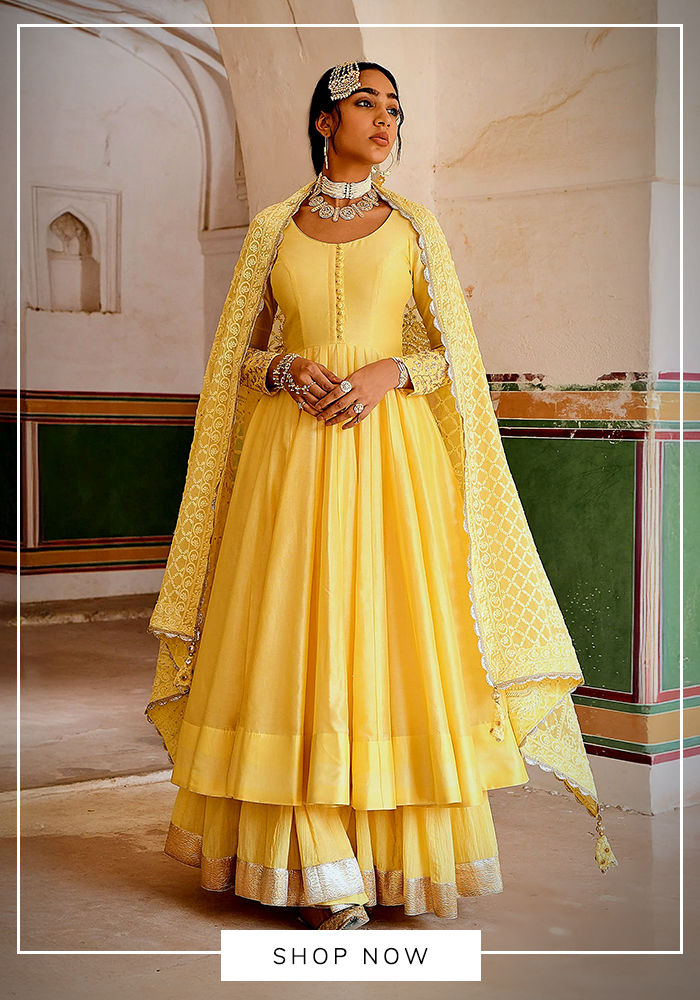
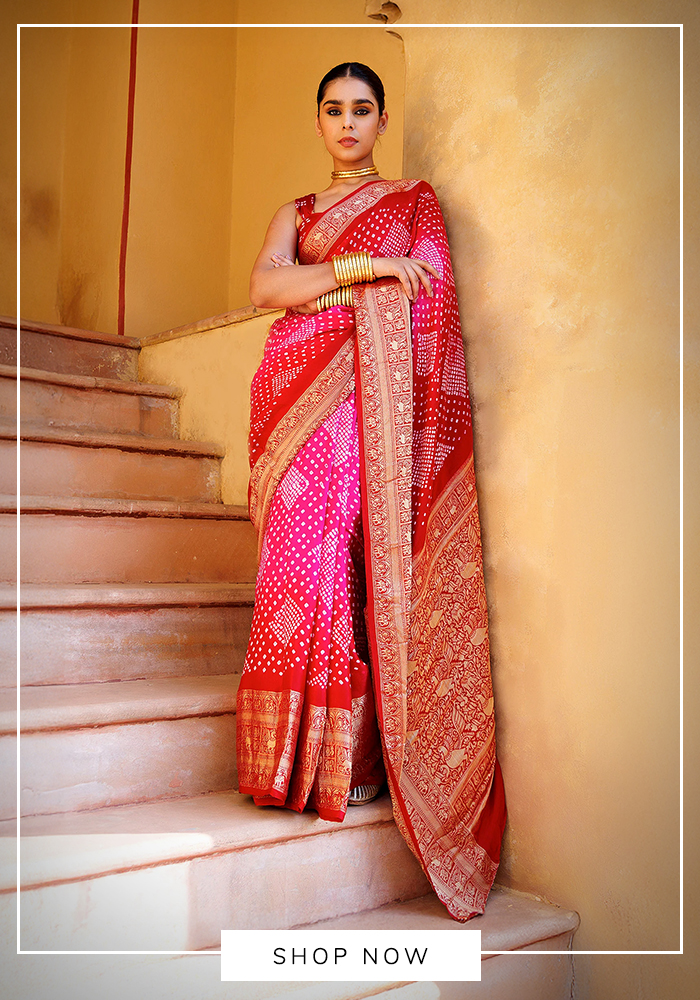
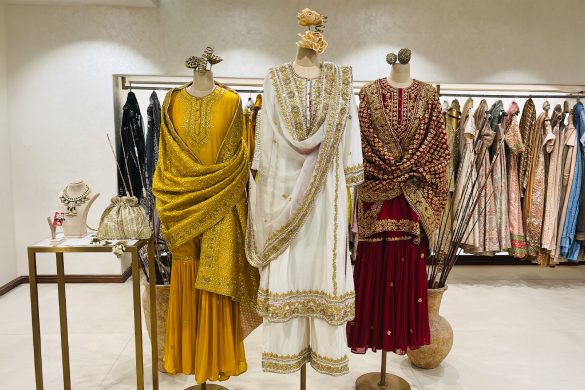
Fabrics like Chanderi, Maheshwari, Kanjeevaram, Jamdani, and Ikat are not just textiles. They are ecosystems. Each one sustains a community, preserves a regional identity, and carries a technique that can take years to master. When you buy a handloom saree or a hand-woven kurta, you're not participating in fashion, you are participating in the preservation of a living cultural archive.
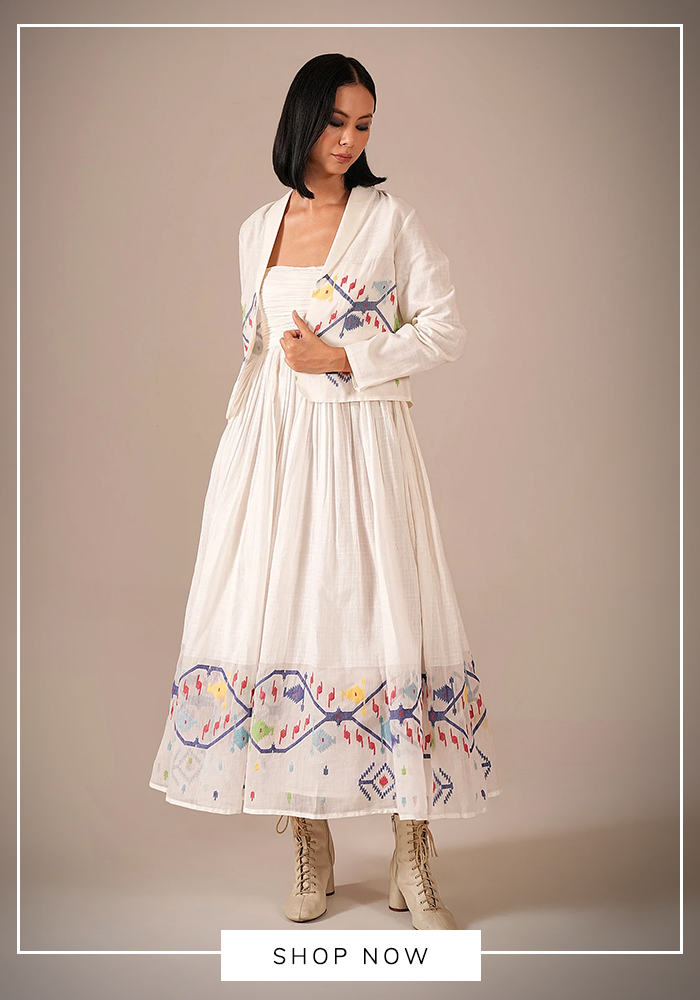
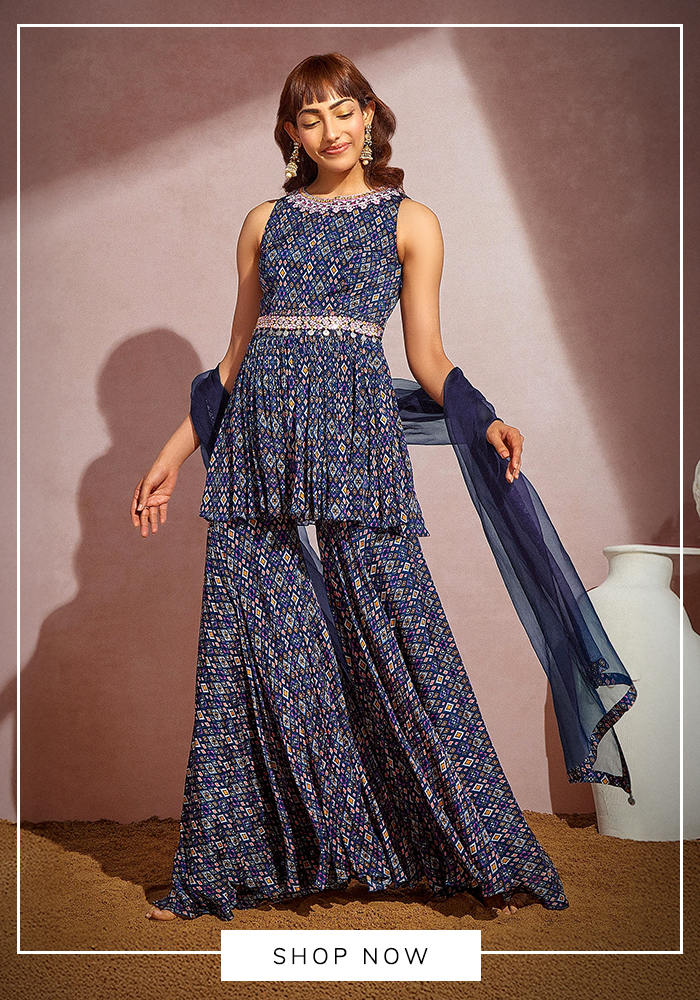
The carbon footprint of a handloom garment is a fraction of what machine-made fast fashion produces. The water usage is lower. The waste is minimal. And the lifespan? A well-made Banarasi or a Pochampally Ikat, cared for properly, can outlive its wearer and be passed down as an heirloom.
This Environment Day, wearing handloom is one of the most powerful statements you can make.
Small Fashion Habits That Make a Big Environmental Difference
Sustainability does not always begin with buying expensive eco-fashion labels. Often, it starts with smaller choices that quietly reduce waste and increase the life of what you already own.
Easy Sustainable Fashion Habits to Start Today
- Repeat outfits unapologetically — the most sustainable outfit is the one already in your wardrobe.
- Follow the “30-wear rule” — ask yourself if you'll wear something at least 30 times before buying it.
- Wash clothes less frequently — overwashing fades fabrics and wastes water unnecessarily.
- Choose natural fibres when possible — cotton, linen, hemp, khadi, silk, and wool biodegrade more easily than synthetics.
- Donate responsibly — give wearable clothing to verified charities or community groups instead of dumping them.
- Support local artisans and small businesses — smaller production runs often mean lower waste and more ethical sourcing.
Fashion Trends That Are Surprisingly Eco-Friendly
Not every trend is harmful. Some of fashion's biggest movements today are unintentionally helping the planet.
Sustainable Fashion Trends Worth Embracing
- Capsule wardrobes — fewer, versatile pieces that mix and match effortlessly.
- Vintage revival — archival fashion, thrift finds, and heirloom dressing are making a comeback.
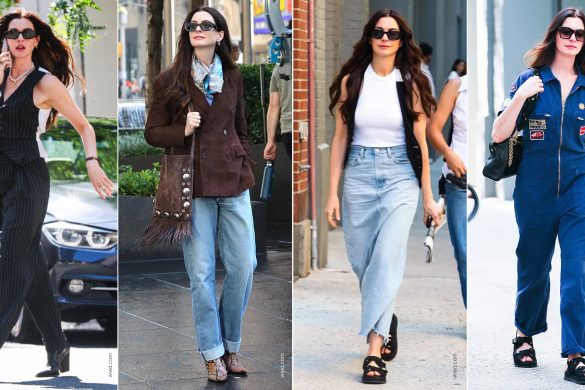
- Outfit repeating culture — celebrities rewearing outfits is helping normalise conscious dressing.
- Handcrafted clothing — embroidery, weaving, and artisanal details encourage slow consumption.
- Neutral, timeless dressing — classic silhouettes tend to stay in wardrobes longer than trend-heavy pieces.
Sustainable Fashion Myths That Need to Go
There is still a misconception that sustainable dressing means sacrificing style or spending excessively.
Common Myths — Debunked
Myth: Sustainable fashion is expensive
Reality: Buying fewer but better-quality pieces often saves money long term.
Myth: You need a completely new eco-friendly wardrobe
Reality: Wearing what you already own is one of the most sustainable things you can do.
Myth: Sustainable clothing looks boring
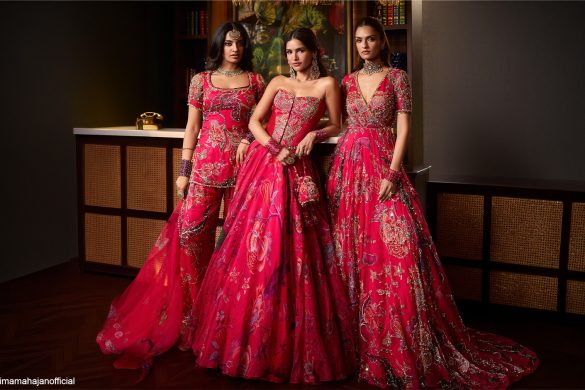
Reality: Indian designers are proving conscious fashion can be contemporary, luxurious, and trend-forward.
Myth: One person’s choices don’t matter
Reality: Consumer demand influences how brands produce, source, and market clothing.
Why Indian Fashion Has a Sustainability Advantage
India already has many of the ingredients needed for sustainable fashion. We simply need to value them more. Long before sustainability became a global trend, Indian fashion was built on mindful practices. Handloom traditions, low-energy production, and skilled artisans have always been at the heart of how clothes were made.
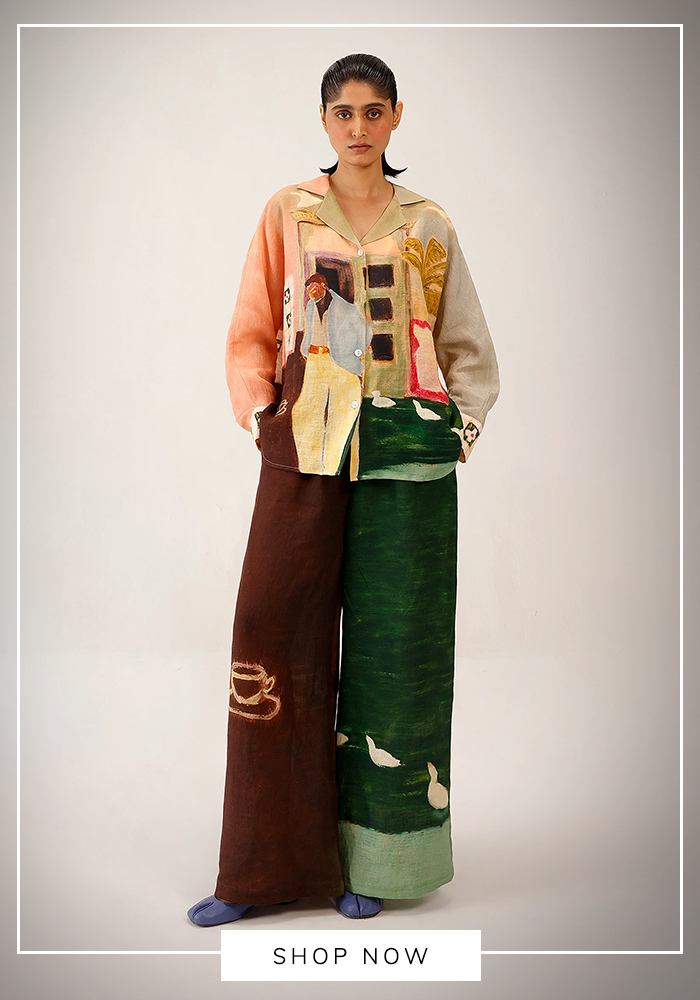
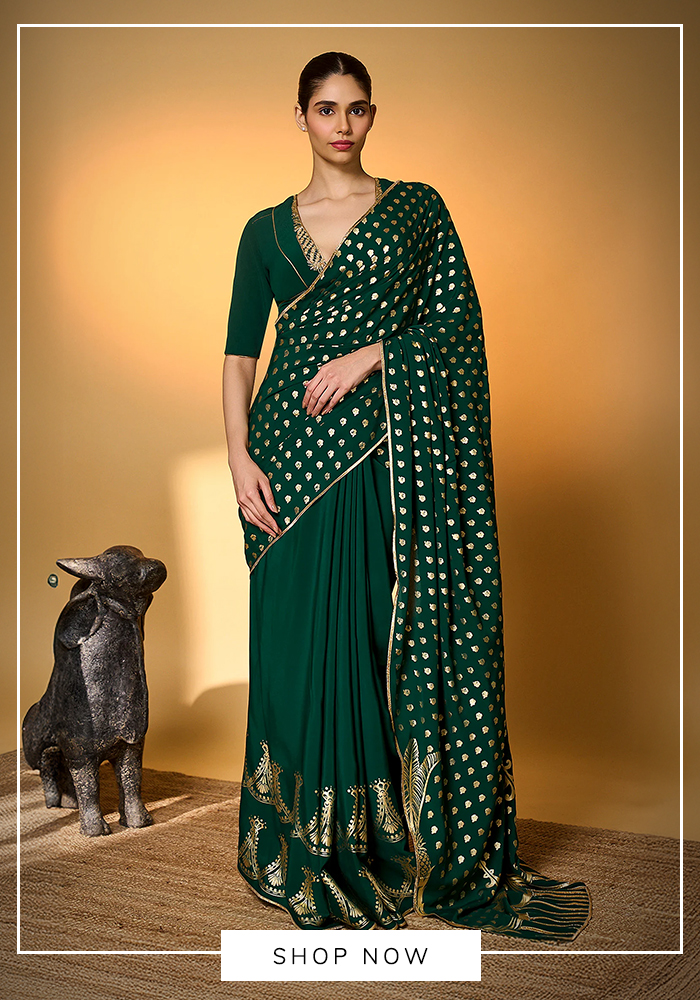
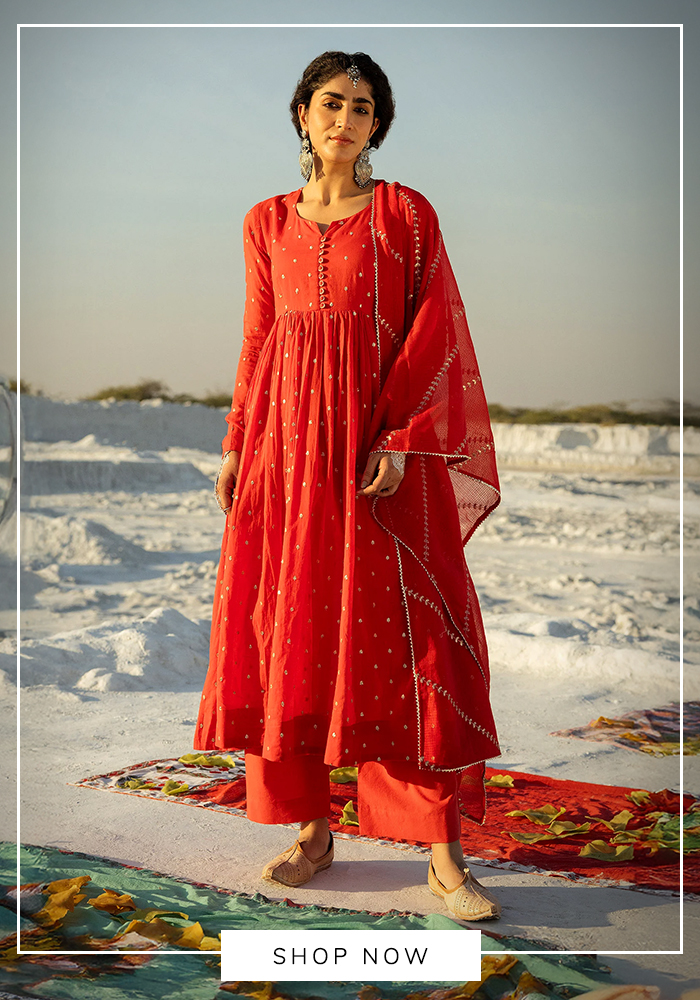
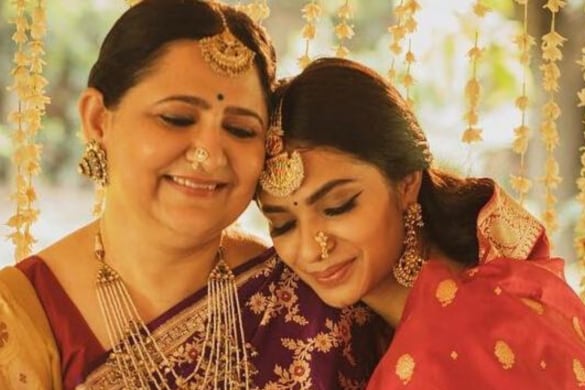
India also has climate-friendly fabrics like khadi, cotton, mulmul, linen, and silk. Many households have practised sustainability for generations without naming it. Old sarees become new garments. Dupattas are repurposed into kurtas. Fabrics turn into quilts. Heirloom textiles are carefully preserved and passed down. In India, sustainable fashion is not new, it has always existed.
Dressing for the Planet, One Thread at a Time
World Environment Day on June 5th is not just for environmental scientists and policy makers. It belongs to all of us, including those of us who love fashion, follow trends, and find joy in dressing well. The two are not in opposition. In fact, caring deeply about how you look and caring deeply about where your clothes come from can and should go hand in hand.
The most stylish thing in the room, increasingly, is a conscience. Wear yours well.
Happy World Environment Day — June 5th. Dress like the planet is watching. Because it is.