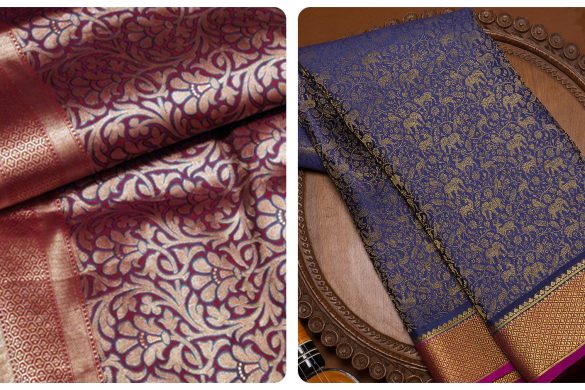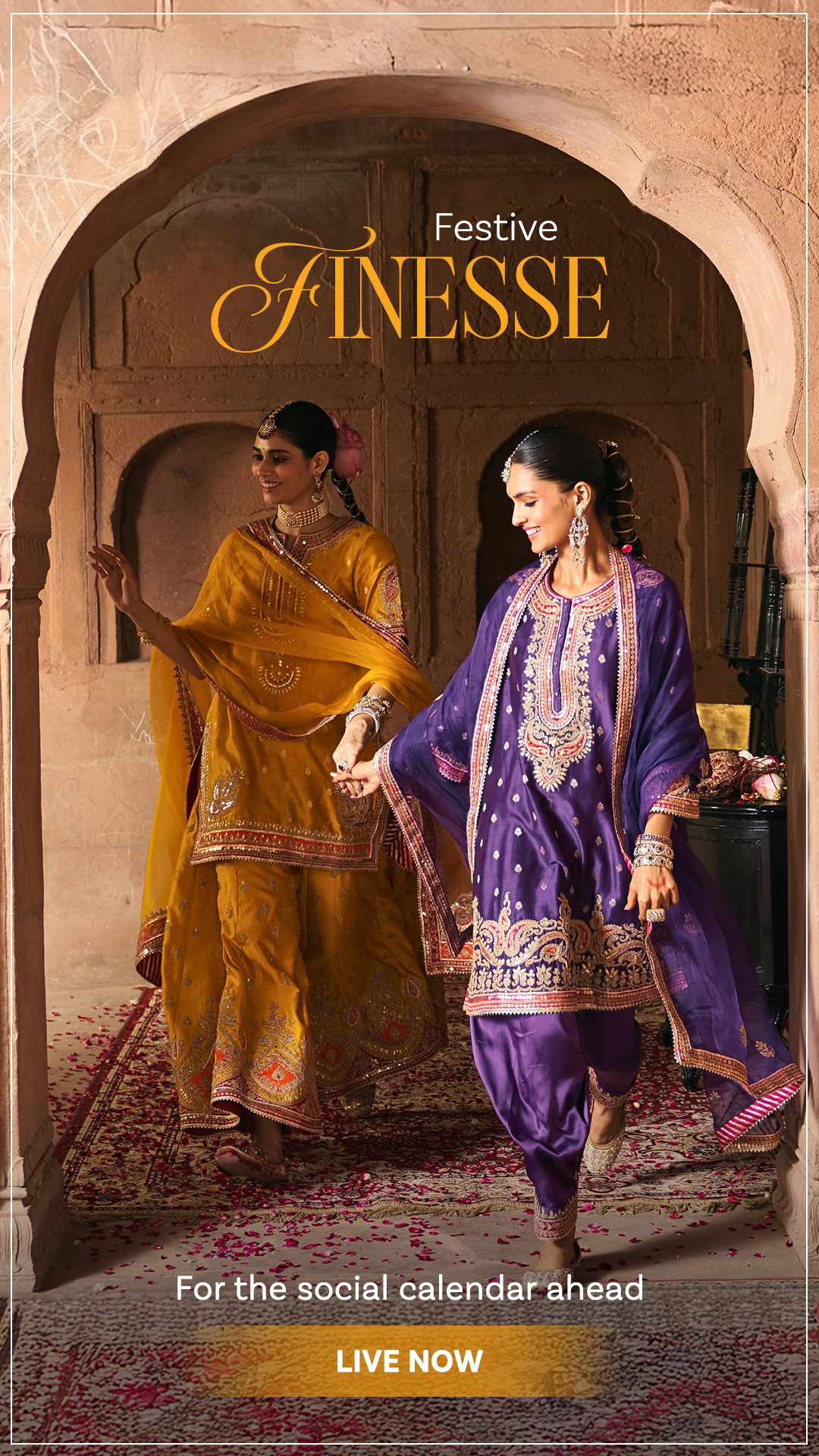
For Durga Puja 2026 in the USA, NRIs should opt for festive Indian ethnic wear—sarees, salwar suits, or kurtas—that balance tradition with practicality. Factor in October's unpredictable weather, indoor community hall venues, and the need to move comfortably through crowds when choosing your outfits.
Durga Puja in the USA hits differently. There's the same anticipation, the same dhak beats echoing through a rented community hall or convention center, and the same race to find the perfect outfit. But the context is unmistakably American—October cold fronts, parking lots, and practicalities that Kolkata never prepared you for.
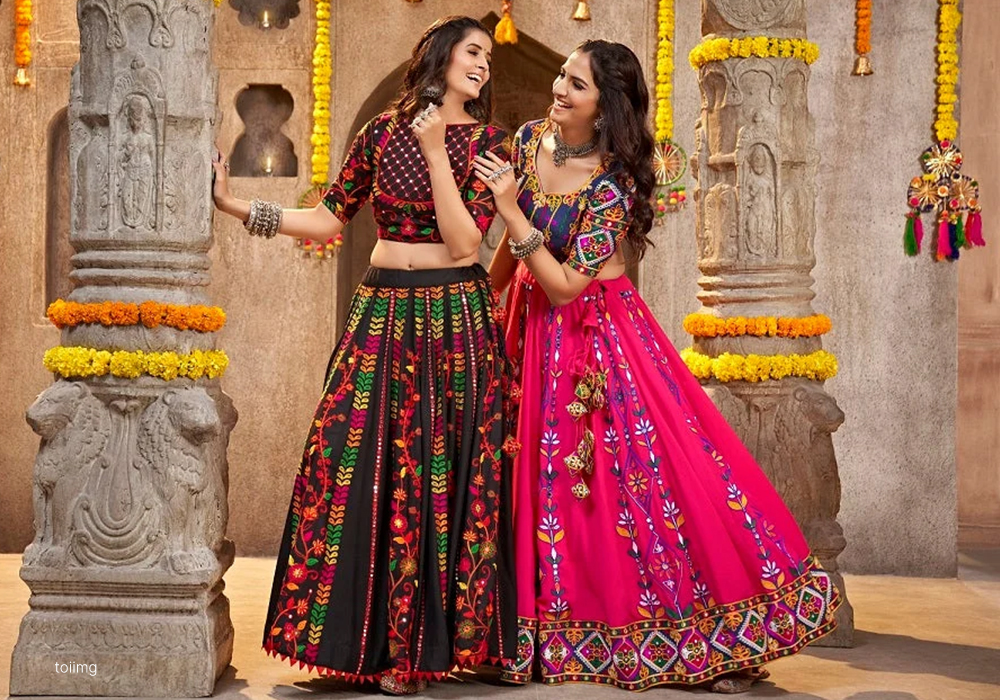
This guide breaks down what actually works for U.S.-based Durga Puja celebrations in 2026, from Saptami through Bijoya.
What Makes Dressing for U.S. Durga Puja Different?
Back home, you could drape a tissue silk saree and walk to the pandal. Here, you're driving, hauling kids, navigating concrete floors, and possibly stepping outside into 50°F air mid-celebration. That gap between the fantasy outfit and the functional one is real—and worth planning around.
Three factors shape every smart NRI outfit choice:
- Venue type: Most U.S. pujas happen in community centers, temple halls, or convention spaces with air conditioning set to arctic levels.
- October weather: Depending on the state, temperatures can drop sharply after sunset. New York, Chicago, and Boston get genuinely cold; even Atlanta and Houston cool down fast at night.
- Mobility: You'll stand for anjali, bend during pranams, and chase toddlers through the crowd. Ease of movement matters.
The Best Outfit Choices for Each Day of Puja
Saptami and Ashtami: Go Festive, Stay Practical
These are the biggest days—full attendance, cultural programs, and late nights. This is your moment to dress up, but do it smartly.
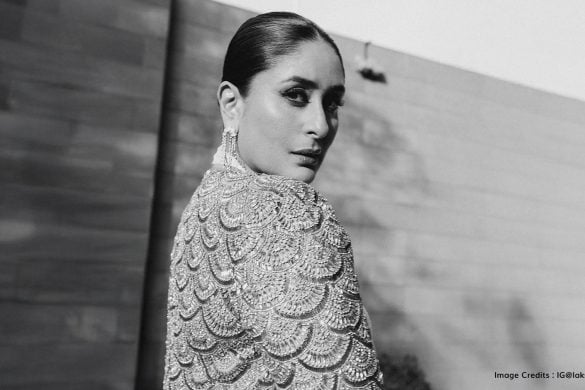
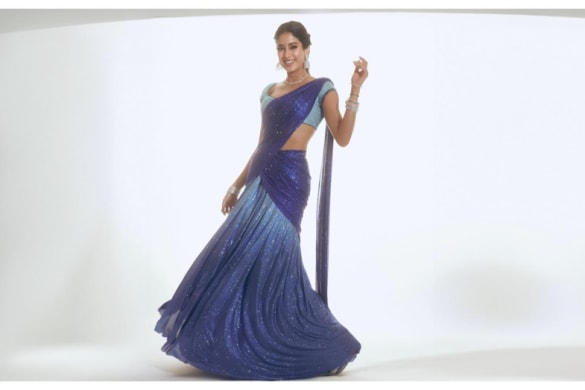
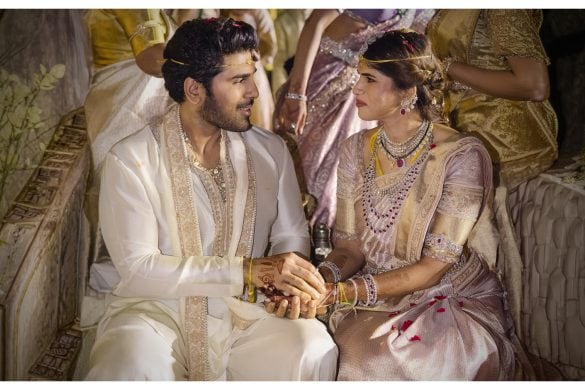
Saree wearers: Georgette, chiffon, or crepe sarees are your best friends. They're lightweight, pack well, and don't wrinkle as badly as silk after three hours of sitting. Pre-stitched or pre-pleated sarees are increasingly popular among U.S.-based NRIs for exactly this reason—no re-draping in a cramped bathroom.
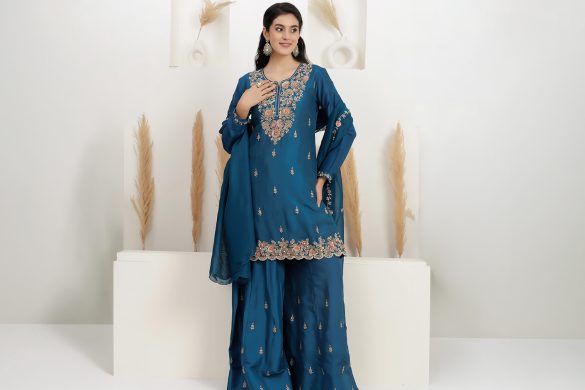
Salwar suits and anarkalis: A heavily embroidered anarkali or a silk salwar suit hits the sweet spot between festive and functional. Layer with a coordinating dupatta that doubles as a wrap when the AC kicks in.
Men: A kurta-pajama set in raw silk or cotton-blend works across all days. Add a Nehru jacket for Ashtami if you want to elevate the look without the formality of a sherwani.
Navami: The Day to Experiment
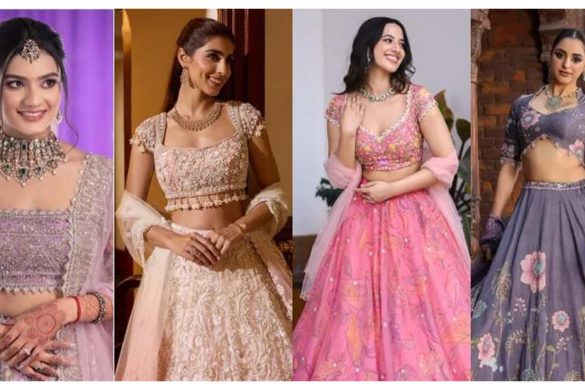
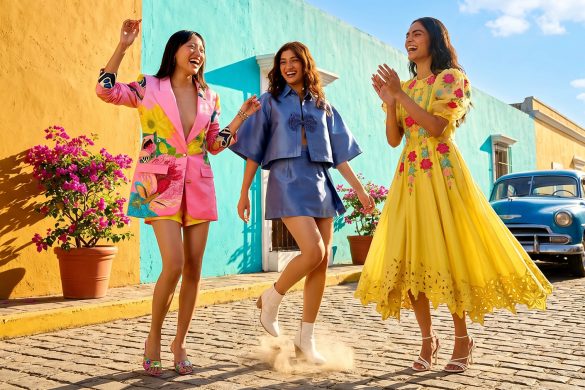
Navami tends to be slightly more relaxed in the U.S. context. This is a good day to wear a fusion outfit—dhoti pants with an embellished top, an Indo-Western coordinate set, or a structured lehenga skirt paired with a modern blouse. Color-blocking and contemporary silhouettes read well on social media and still feel festive.
Dashami and Bijoya: Comfortable and Sentimental
Sindoor khela and Bijoya Milan call for something you can move freely in without worrying about staining. White and red is traditional for sindoor khela—a simple white cotton saree with a red border, or a white kurta with red accents, works perfectly. Save your expensive pieces for earlier in the week.
How to Handle the October Cold Without Ruining the Look
Layering is everything. A few practical solutions that actually work:
- Shawls over dupattas: A heavier woven shawl in a complementary color can replace a light dupatta and provides real warmth.
- Long-sleeve blouses: A full-sleeve or three-quarter sleeve blouse keeps you warm without adding bulk over your saree.
- Pashmina wraps: Versatile, elegant, and warm enough for a walk to the car.
- Closed-toe heels or block heels: Much safer than stilettos on community hall floors, and warmer than sandals in cold weather.
The One Outfit Mistake to Avoid
Saving your most elaborate outfit for the last day is a common misstep. U.S. puja schedules often run longest on Ashtami—that's when cultural programs, community dinners, and the biggest crowds converge. Dress for the occasion, not the calendar.
Ready for Puja 2026?
Durga Puja in the USA is its own beautiful thing—a little improvised, deeply communal, and dressed with real intention. Plan your five-day wardrobe around venue realities and October weather, and you'll spend less time adjusting your outfit and more time actually celebrating.
Start pulling outfits together early. The best pieces from Indian boutiques and online ethnic wear stores sell out fast as October approaches.
Frequently Asked Questions
What fabrics work best for Durga Puja in the USA?
Georgette, chiffon, and crepe are ideal for sarees worn at U.S. celebrations—they're lightweight, wrinkle-resistant, and comfortable for long evenings. For colder states, silk blends and heavier cotton salwar suits add warmth without sacrificing the festive look.
Can I wear fusion outfits to Durga Puja in the USA?
Yes. U.S.-based Durga Puja communities tend to be welcoming of Indo-Western silhouettes, especially on Navami. Dhoti pants, structured coordinate sets, and contemporary lehenga styles are all appropriate.
What should men wear to Durga Puja celebrations in the USA?
A cotton-blend or raw silk kurta-pajama set works well across all five days. Adding a Nehru jacket on Ashtami elevates the look without requiring a full sherwani.