Paris didn't reinvent itself this season. It did something harder: it looked back at its own archives and figured out how to make them feel current again. Across the Spring/Summer 27 shows, the biggest houses weren't chasing shock value. They were editing, lightening, and loosening what already made them iconic.
What emerged was less a single trend and more a shared instinct. Heritage codes got softer. Tailoring got more fluid. Lingerie moved out from underneath everything. And craftsmanship, instead of hiding behind perfection, started showing its seams on purpose. Here's what stood out from Paris Fashion Week Spring/Summer 2027, house by house.
Dior Makes Heritage Feel Lighter
Jonathan Anderson took Dior's most recognizable silhouette, the Bar jacket and full skirt from Christian Dior's 1947 New Look and stripped out the rigidity that's defined it for nearly 80 years. Chiffon replaced the structure. Pinstripes and tweed got printed onto sheer fabric instead of woven into it. Tiny circle skirts, pleats and three-dimensional pastel florals added softness, while striped shirting and pajama-inspired pieces kept things grounded.
This matters because Anderson isn't discarding Dior's codes. He's making them wearable in a way that doesn't ask you to dress up to access them. It signals a broader shift at the house: heritage as something fluid, not framed behind glass.
Saint Laurent Goes All In on Gold
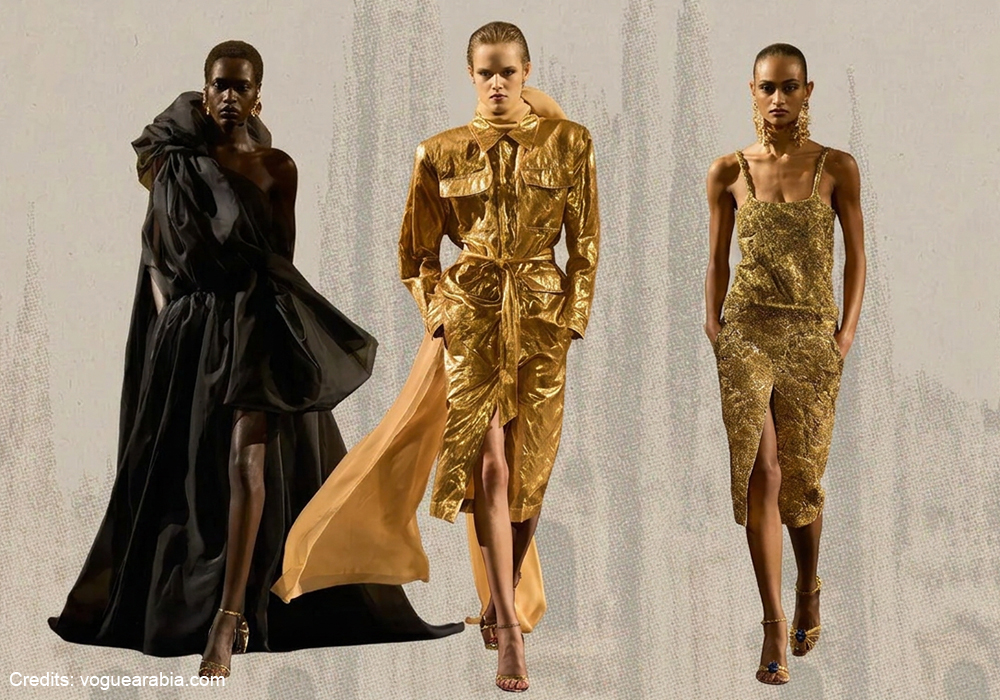
Anthony Vaccarello didn't hold back on glamour this season. Sahariennes and trench coats appeared in crinkled metallic fabric. Gilt brocade shaped cropped jackets and trousers. Metallic lace brought shine to cocktail dresses, finished off with oversized earrings and towering snake-shaped stilettos.
It's a direct callback to Yves Saint Laurent's own fascination with gold and evening glamour, and the collection even closed with a sequence of black looks that reversed the gold finale from the house's Fall 1991 Rive Gauche show. The takeaway: gilded glamour is back, and it's not apologizing for being a lot.
Maison Margiela Brings Experimentation into the Everyday
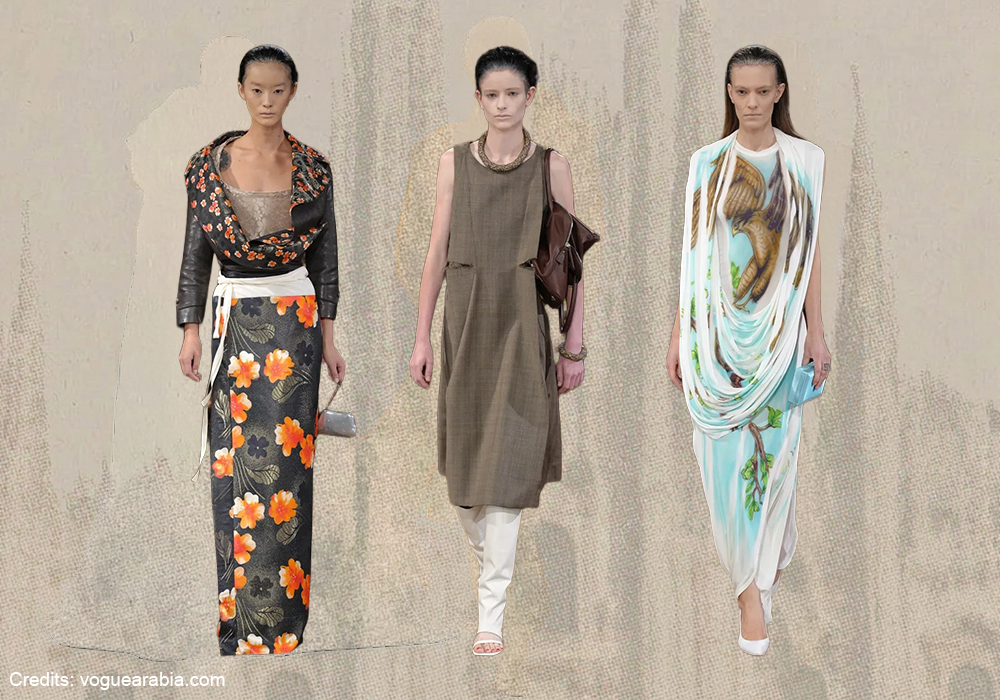
After the theatrical debut collections that introduced his vision for the house, Glenn Martens pulled back toward Maison Margiela's everyday wardrobe this season, without losing the tension between conventional and disrupted that defines the brand. Tailoring got sharply folded lapels that could open back into a traditional shape. Trenches and jersey dresses were interrupted by stiffened panels. A red lace slip got laminated in vinyl and folded into a satin coat.
It's a more restrained outing than Martens's previous shows, but the opulence hasn't disappeared. It's just migrated: into sculptural gowns, elaborate draping and one look embellished with crushed silverware. What it signals is a house finding its everyday register without losing its appetite for spectacle.
Schiaparelli Balances Wit with Wearability
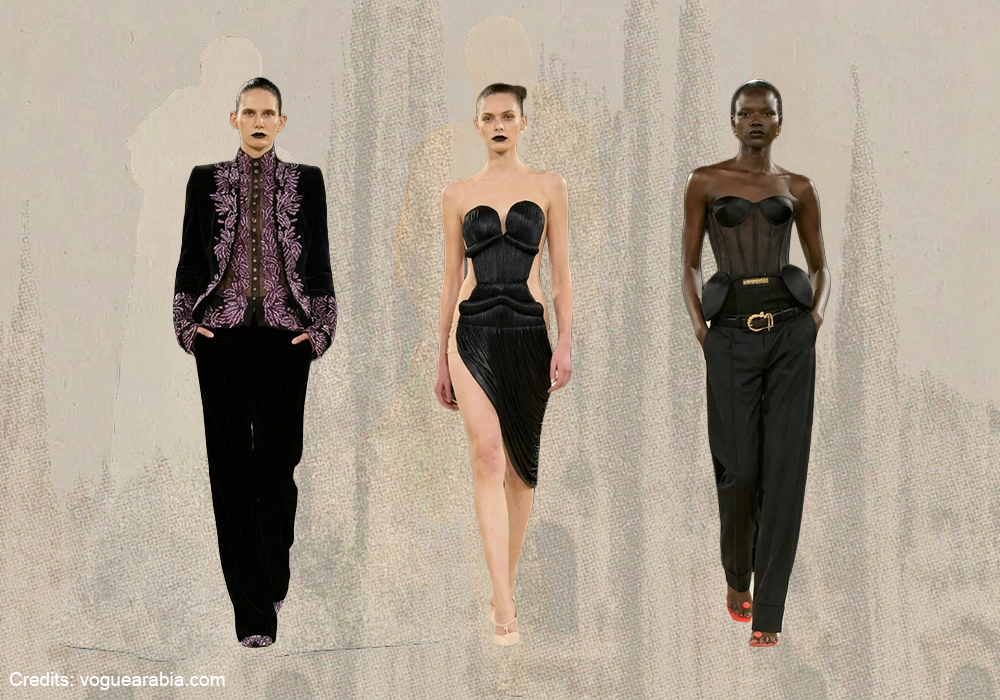
Daniel Roseberry dialed back some of the spectacles at Schiaparelli without losing the house's surrealist DNA. Working mostly in black, butter and bone, with pops of pale pink and emerald, he brought couture-level detailing into a more relaxed ready-to-wear wardrobe. Jewel-studded jackets and gold finishes supplied the opulence. Elsa Schiaparelli's carrot motif made a playful return.
This is couture craftsmanship learning to live in daywear. Roseberry proved precision and ease aren't opposites, which is exactly the balance a lot of designers chased this season.
Chloé Finds the Sweet Spot Between Romance and Edge
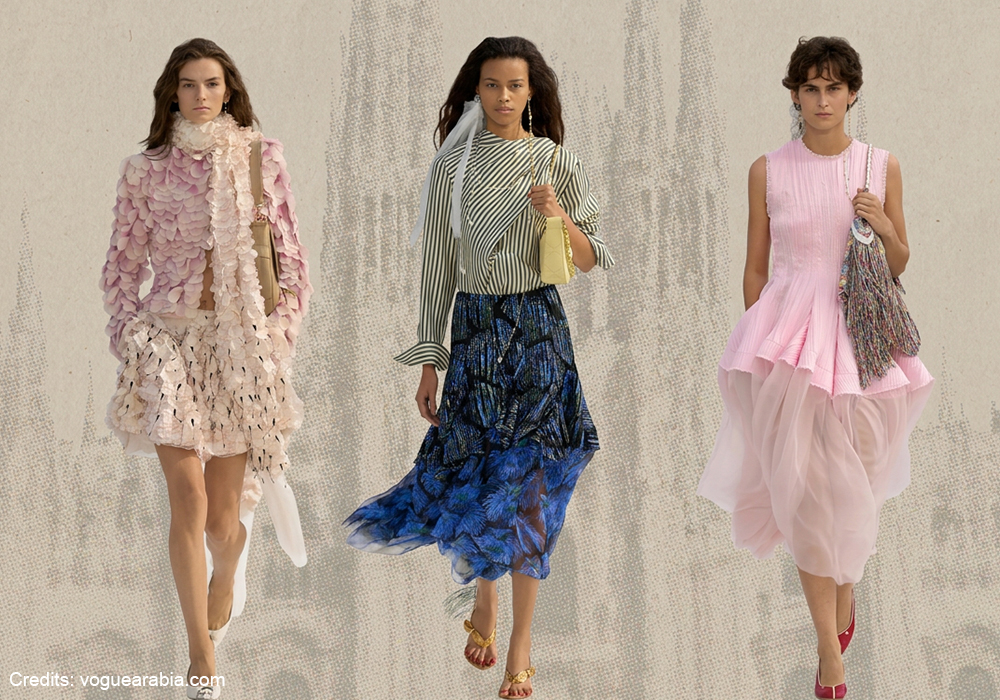
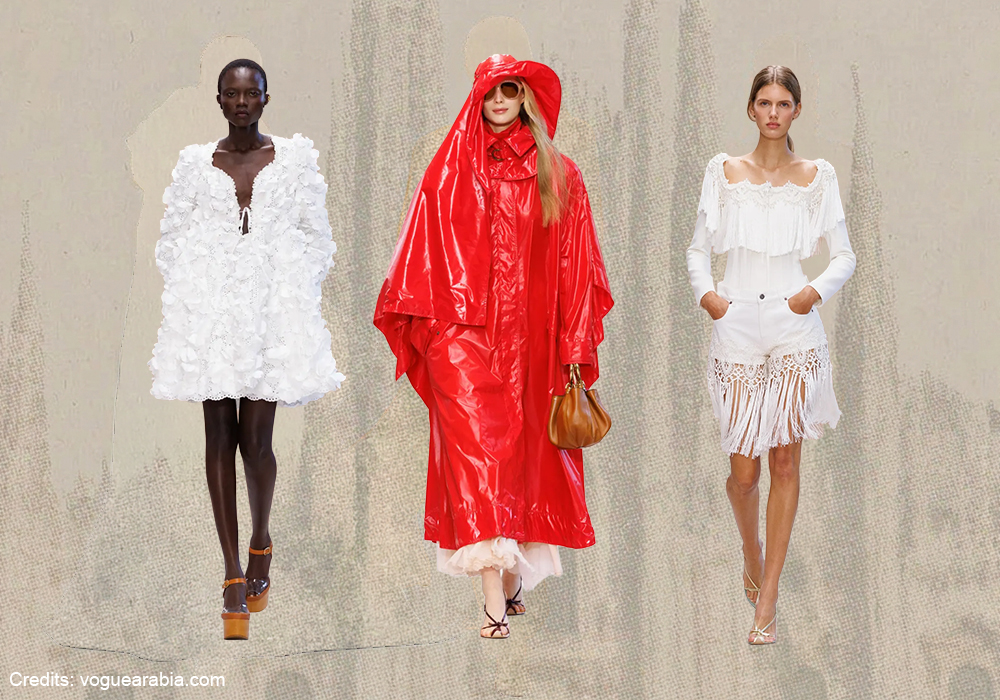
Chemena Kamali went back to one of Chloé's most enduring signatures: Broderie Anglaise, the eyelet lace Gaby Aghion used back in the 1950s. It showed up in romantic smocks, tassel-trimmed dresses and delicate blouses, before shifting into more elaborate guipure lace with three-dimensional florals.
The sweetness got an edge from lace tops cut away until they resembled lingerie, worn under crisp white tailoring. High-rise boot-cut trousers and oversized fisherman coats added volume and structure elsewhere. Kamali isn't introducing new vocabulary here. She's refining Chloé's romantic, feminine codes and nudging them toward something more contemporary.
Balenciaga Brings Couture into the Everyday
Pierpaolo Piccioli applied couture-level construction to pieces as ordinary as white shirts, T-shirts and denim. Rows of stitching turned simple cotton tops into sculpted, peplum-like shapes. Jeans cut on the bias introduced a technique Piccioli said was new to the house entirely.
That same dialogue between ordinary and extraordinary carried into eveningwear, where a pale pink metallic T-shirt expanded into a dramatic floor-length trapeze gown with a train, styled with simple blue jeans. It's couture craftsmanship entering everyday dressing, and it's one of the clearest signals of where Spring/Summer 27 is headed: extraordinary technique applied to ordinary pieces.
Loewe Makes the Basics Feel New
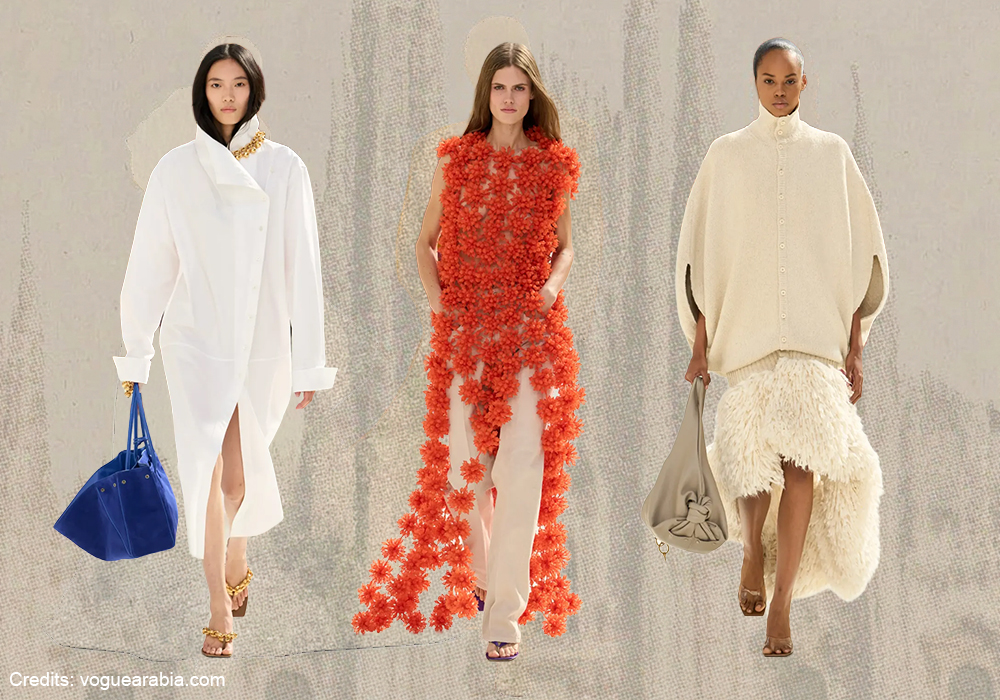
Jack McCollough and Lazaro Hernandez grounded Loewe in how people actually dress this season. Checked jackets, ribbed knits, striped shirts and polo-neck sweaters got paired with more unexpected builds, like miniskirts inspired by drapery in Spanish Old Master paintings, held together with bungee cords.
The craftsmanship hid in plain sight: a grey sweatshirt entirely embroidered with seed beads, striped jackets that looked like cotton but were actually finely worked leather. This is tactile craftsmanship doing its best work when you almost don't notice it, which is exactly the point.
Givenchy Gives Tailoring an Unexpected Twist
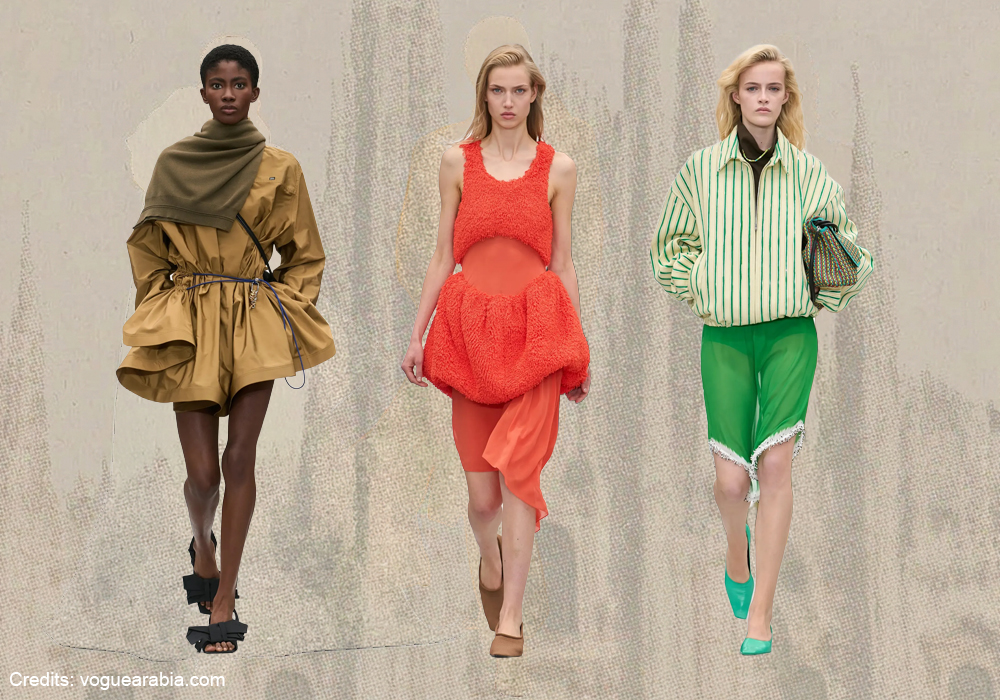
Sarah Burton sharpened her Givenchy vision this season, balancing strength with sensuality through precise construction. A fitted black leather dress with curved zippers revealing yellow underneath opened the show. Suits featured overlapping front panels that mimicked crossed legs. Asymmetry ran through one-shouldered knits and trench dresses with displaced storm flaps.
Eveningwear pushed furthest, with fine jersey suspended from sculptural brass-wire forms inspired by Alexander Calder. It's tailoring built around movement and the women wearing it, not around convention. That's what makes it feel unexpected rather than just sharp.
Celine Makes Effortless Dressing Look Effortless
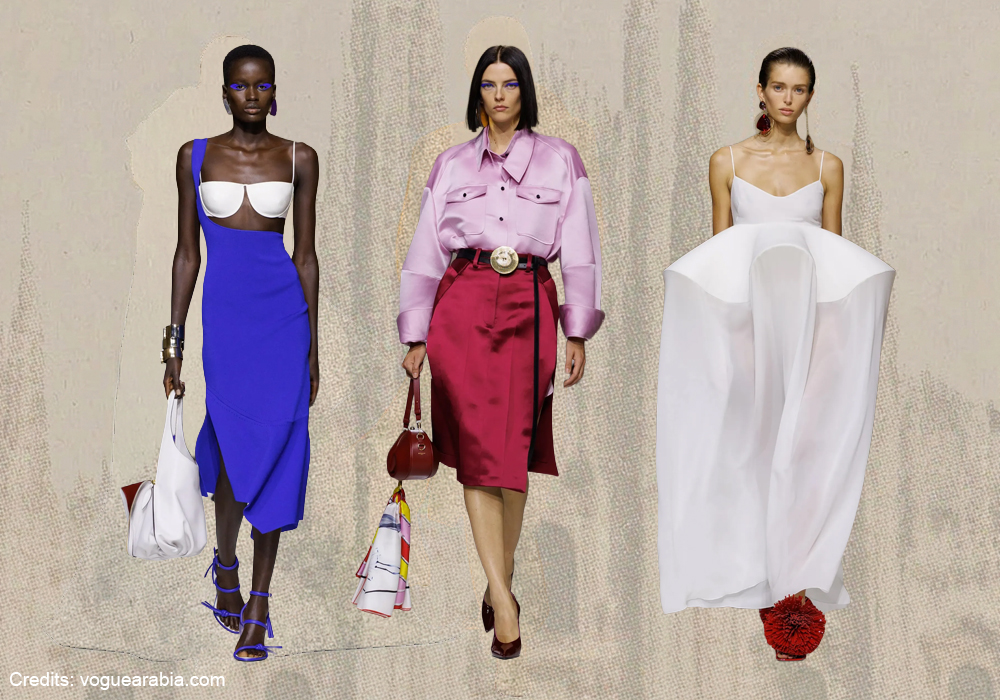
Michael Rider kept building Celine around instinctive, personal dressing. A simple black V-neck dress opened the show. Elsewhere: rumpled satin coats, clean leather outerwear, patchwork silk balloon pants and a silver pleated tunic, all pulled together through styling rather than a single aesthetic.
Coats got carried under arms. Trouser legs got caught casually in socks. Fine chain belts and pearl earrings kept the ease grounded in craftsmanship rather than looking careless. This is personal style taking center stage, exactly the instinct running through so much of this season.
Hermès Puts Lightness First
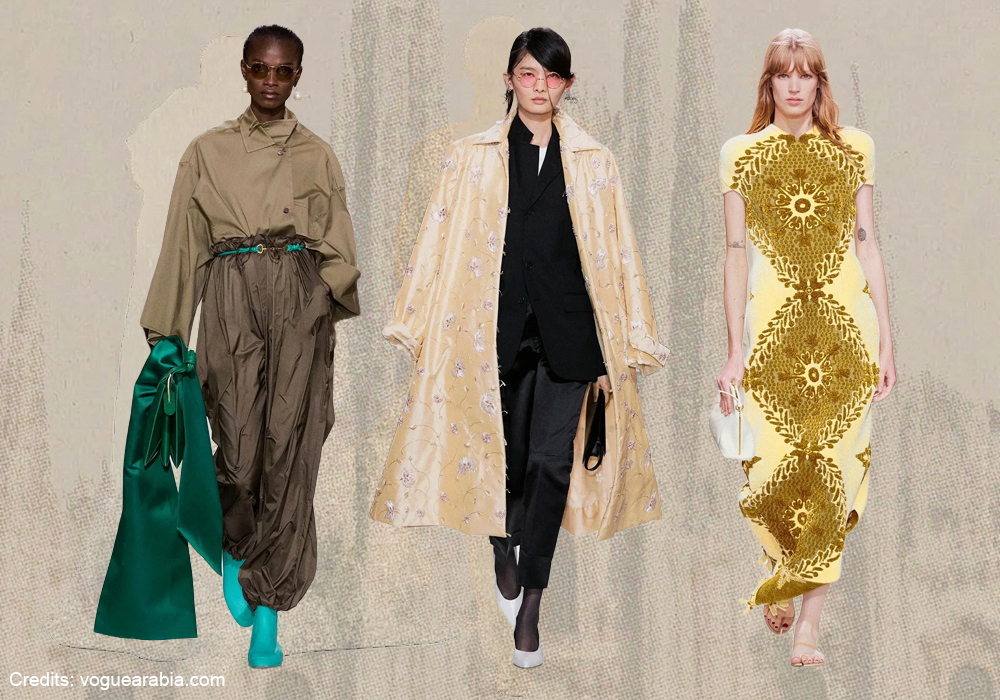
Nadège Vanhée designed clothes meant to adapt, not just reveal. Fine knits got punctuated with narrow leather strips. Zippers became a real functional device: dresses shifted from mini to midi; trousers moved between wide and slim, all depending on how they were fastened.
The palette brightened considerably from last season's leather-heavy mood, moving into creamy whites, vivid yellows and oranges. Leather stuck mostly to accents and accessories, like minimal thong sandals. It's luxury that feels lighter and more tactile, built for how a body actually moves through summer.
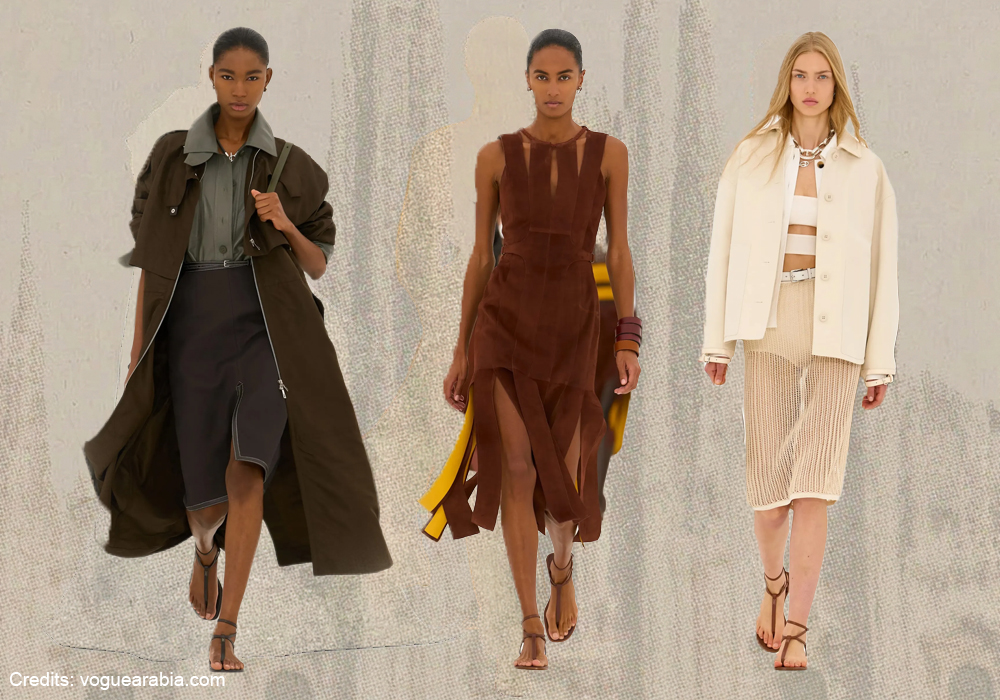
Elie Saab Brings Back Old Hollywood Glamour
Elie Saab looked to 1930s boudoir glamour this season. Bustiers, bralettes, slipping straps and lace details set a lingerie-inspired tone throughout. Slip dresses ranged from body-skimming beaded styles to asymmetric silhouettes cut high at the leg, while bias-cut dresses in soft pastels added to the femininity.
Not everything leaned romantic. Streamlined tailoring and a sharply cut trench offered a counterpoint to the lace and florals. The lingerie-as-outerwear idea running through this collection is one of the clearest threads tying this Paris season together.
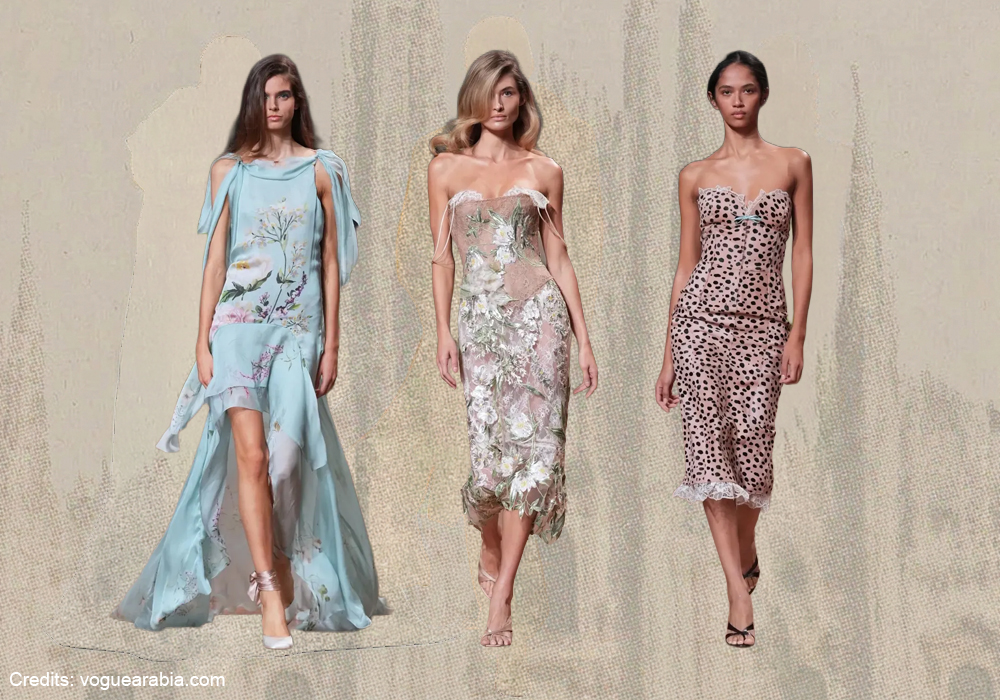
Miu Miu Makes Sportswear Feel Fashion
Miuccia Prada focused on how people are actually dressing right now. Box-pleated skirts and checked blazers opened the show before giving way to running shorts, jeans, cropped tops and bombers, with sneaker laces repurposed as belts.
Miu Miu's signature decoration kept it from reading as plain sportswear: crystal-covered A-line skirts, embellished babydoll dresses, sparkling bras layered under sporty outerwear. Prada isn't elevating sportswear by making it formal. She's letting elegance and casual dressing sit side by side, comfortably.
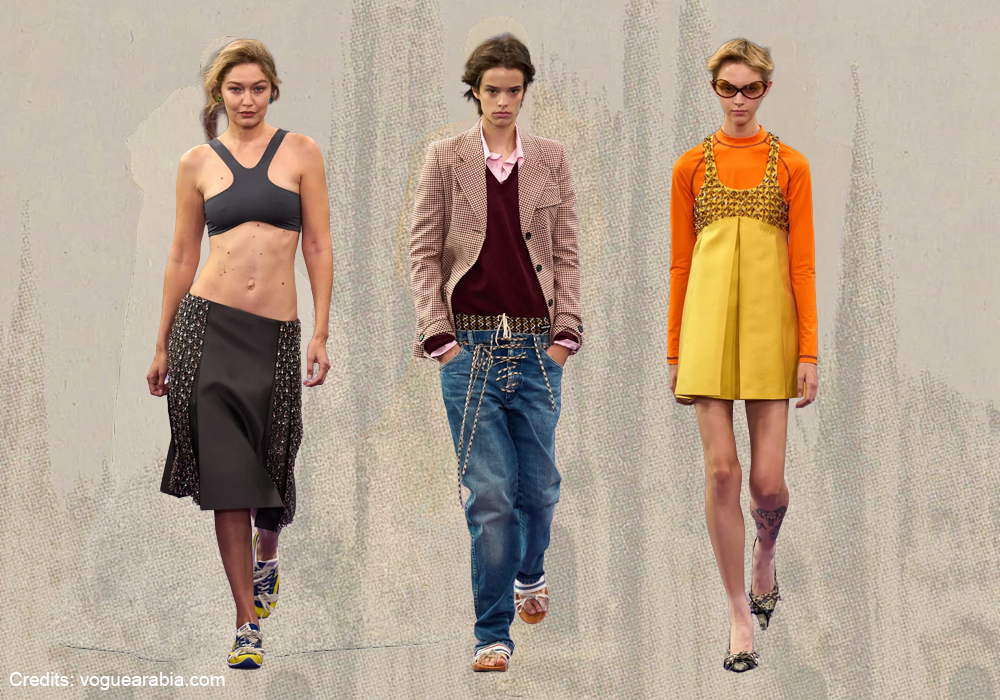
Valentino Edits Itself
Alessandro Michele brought a noticeably pared-back approach to Valentino this season. Jewel-toned satin bustiers opened the show, paired with crinkled crepon skirts and feather-trimmed finishes. Menswear got deliberately undone: misbuttoned jackets, exposed silk boxers, baseball caps with tailoring.
Eveningwear is where Michele and Valentino's heritage met most clearly, with rhinestones and ruffles alongside restrained satin columns and a plunging velvet gown. It's a designer gradually editing his own instinct for abundance and finding Valentino's precision inside it.
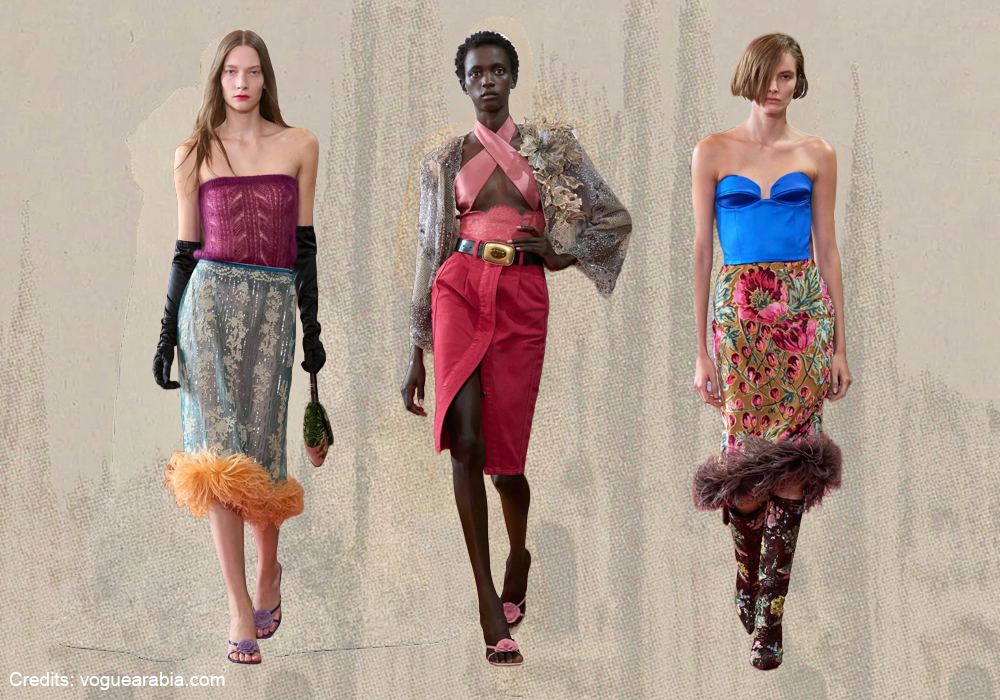
The Bigger Picture from Spring/Summer 27
Put it all together and a clear mood emerges from Paris Fashion Week Spring/Summer 27. Heritage is getting lighter across the board, from Dior's sheer reconstructions to Loewe's beaded sweatshirts. Craftsmanship is becoming more visible instead of hiding behind polish. Glamour, especially gold and high-shine glamour, is making a confident comeback. And styling, more than any single garment, is what's actually defining how fashion's biggest houses want you to get dressed.
What this really means for Spring/Summer 27 is that the old rules around formality are loosening. Lingerie lives in your outerwear. Couture technique shows up on a T-shirt. And how you put it all together matters more than any one piece on its own.