Imagine a piece of art that starts with something old and broken, and ends up being a masterpiece worth thousands of rupees. That is the magic of Kantha embroidery.
Originating from the rural heartlands of West Bengal and Bangladesh, Kantha is more than just thread and needlework. It is a story of recycling, sustainability, and women's creativity that has survived for over 500 years. Today, you might see Kantha on expensive designer sarees in boutiques, but its roots are humble, grounded in the mud walls and courtyards of village homes.
If you love Indian handlooms or just appreciate a good story of revival, let’s explore the fascinating world of Kantha.
A History Woven with Memories
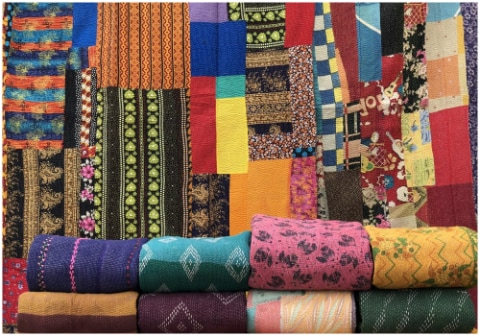
The word 'Kantha' has a few meanings. Some say it comes from the Sanskrit word ‘Kontha,’ meaning rags. Others believe it relates to 'throat' (associated with Lord Shiva). But in the world of textiles, it essentially means "patched cloth."
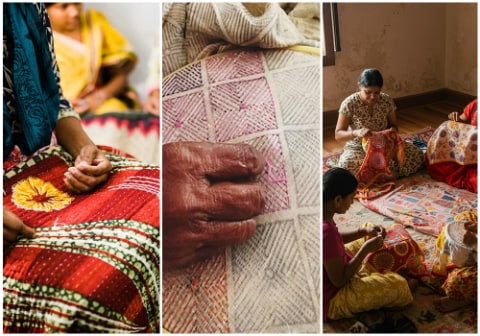
The origin of Kantha is unique because it wasn't born out of luxury; it was born out of necessity. Centuries ago, in rural Bengal, women didn't throw away old sarees, lungis, or dhotis when they became soft and worn out. Instead, they stacked these layers of old soft cloth and stitched them together to create quilts, blankets, and wraps for their families.
This craft is believed to be around 500 years old. There is even a mention of it in the 500-year-old book Sri Sri Chaitanya Charitamrita, describing how a homemade Kantha quilt was sent to Chaitanya Mahaprabhu in Puri by his mother.
Initially, it was a personal craft. Mothers made it for their children, and wives made it for their husbands. Every stitch carried a memory, and every layer of old cloth had a story from the past. It was never meant for sale; it was a labor of love.
The Art of the Stitch: How It’s Done
The beauty of Kantha lies in its simplicity. You don't need complex machinery or expensive looms to create it. All you need is layers of cloth, a needle, and thread.
Traditionally, women would pull out strands of thread from the colorful borders of their old sarees to use for the embroidery. This was recycling in its truest form!
The Running Stitch
The heartbeat of Kantha embroidery is the "running stitch." It is the simplest stitch in sewing—just passing the needle in and out of the fabric in a straight line. However, Kantha artisans use this simple stitch in complex ways to create rippling effects, textures, and intricate patterns.
While the running stitch is the most common, artisans also use variations like:
- Darning stitch
- Satin stitch
- Loop stitch
These are used to fill in the motifs and give the fabric a rich, quilted texture.
Types of Kantha: More Than Just Quilts
While we often associate Kantha with sarees today, historically, it was used to create various household items. The type of Kantha depended on what the item was used for:
- Lep Kantha: These are thick, warm quilts used during winter. The heavy stitching makes the layers wavy and dense, perfect for cold nights.
- Sujani Kantha: These are large bedspreads used for special occasions or ceremonies. They are famous for having a lotus motif in the center, symbolizing unity.
- Bayton: This is a square wrapper used to cover books or valuables.
- Arshilata: A narrow, rectangular cover specifically designed for mirrors or combs.
- Durjani: A small cover for wallets, often shaped like an envelope with a tassel.
Stories in Thread: Motifs and Meanings
Kantha is often called a "diary in fabric." Since women made these items for their loved ones, they stitched things that they saw around them or things they wished for.
- The Lotus: This is the most common motif, found in the center of many pieces. It represents the universe and the power of life.
- Nature: You will often see birds, fishes, creepers, trees, and flowers.
- Daily Life: Scenes of village life, farmers, palanquins, and animals are common.
- Legends: Some intricate pieces, known as Nakshi Kantha, tell elaborate stories from Indian epics like the Ramayana and Mahabharata, or local folk tales.
Kantha in the Modern World
For a while in the 19th century, this art form almost vanished. But thanks to revival efforts, including those by the family of Rabindranath Tagore, Kantha made a strong comeback.
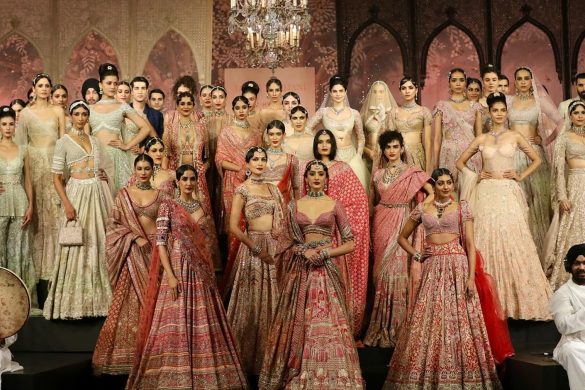
Today, Kantha has moved from the bedroom quilt to the fashion ramp. It is no longer just about old rags. Designers are using luxurious tussar silk, mulberry silk, and high-quality cotton as the base for this embroidery.
Modern Trends
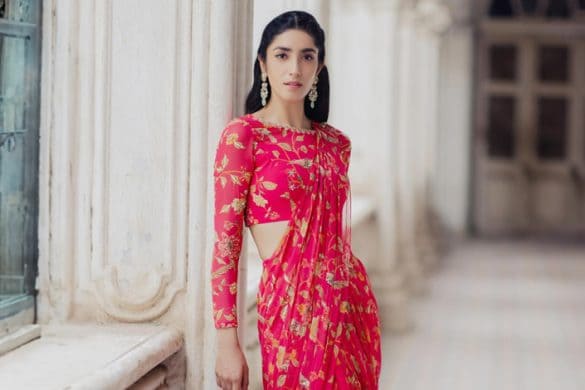
- The Kantha Saree: A wardrobe staple for many Indian women. A silk saree with full-body Kantha work (often called Nakshi Kantha) is considered a prized possession.
- Fusion Wear: You can now find Kantha stitching on denim jackets, skirts, scarves, and even shoes.
- Home Decor: It remains popular for cushion covers, bedspreads, and wall hangings.
What makes modern Kantha interesting is the blend of old and new. While the stitch remains traditional, the designs have evolved. You might see geometric patterns, abstract art, or even pop-culture references stitched alongside traditional lotus flowers.
Why You Should Love Kantha
In a world of fast fashion and machine-made clothes, Kantha stands out for several reasons:
- Uniqueness: Since it is hand-embroidered, no two pieces are exactly the same. The slight imperfections are what make it beautiful.
- Sustainability: The soul of Kantha is recycling. Even today, it promotes the idea of valuing fabric and labor.
- Empowerment: This craft provides a livelihood to thousands of women in rural West Bengal (especially Murshidabad) and Bangladesh. When you buy authentic Kantha, you support these artisans.
Conclusion
From wrapping newborns in soft love to gracing the shelves of high-end fashion stores, Kantha has traveled a long way. It is a craft that turns the ordinary into the extraordinary.
So, the next time you run your fingers over the textured ripples of a Kantha saree or dupatta, remember that you aren't just touching thread. You are touching history, resilience, and the quiet artistic voice of millions of women who stitched their stories into cloth.