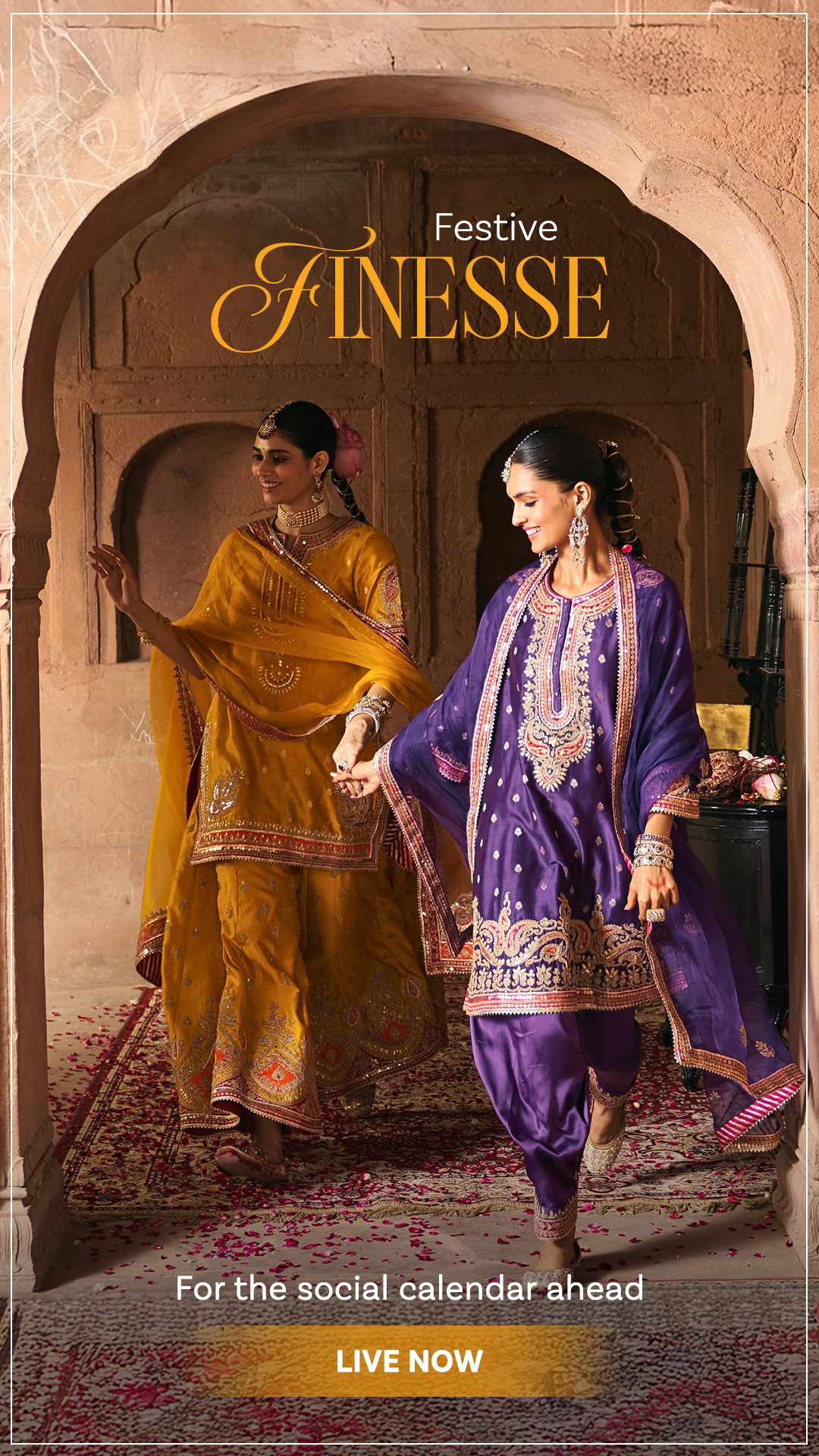
Garba in 50-degree weather calls for layering, not skipping your festive outfit. Pair a lehenga choli or kurta set with a shrug, jacket, or shawl in a matching or complementary color, and choose fabrics like silk or velvet that hold warmth better than georgette. Closed-toe juttis and minimal, warm accessories round out a look built for cold-weather dancing.
Garba season doesn't always line up with warm weather. Depending on where you are in the US, a Navratri garba night can mean standing outside in a parking lot at 50 degrees, or dancing in a community hall that feels more like an icebox than a festive venue. That's a real problem when your outfit is built for twirling, not layering up against the cold.
The good news: you don't have to choose between looking festive and staying warm. With the right layering strategy, you can keep your outfit intact, dance for hours, and actually feel comfortable while doing it. Here's how to pull it off.
Why Does Layering Matter So Much for Cold-Weather Garba?
Garba nights run long, often three or four hours of nonstop movement between dandiya rounds and open garba circles. That kind of activity naturally warms you up, but only once you're moving. The waiting around beforehand, especially if the event starts outdoors or in an unheated venue, is where the cold really gets you.
Layering solves this because it gives you control. You can add warmth before the dancing starts and shed it once you're a few rounds in, all without disrupting the outfit underneath.
What Should Women Wear to Garba in Cold Weather?
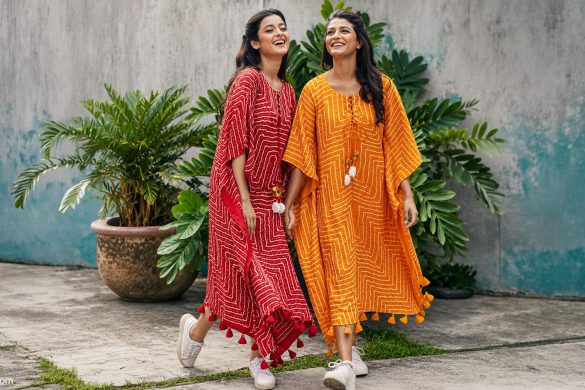
The classic garba silhouette still works in cold weather. You just need to think about what goes over it.
What's the Best Cold-Weather Outfit for Women at Garba?
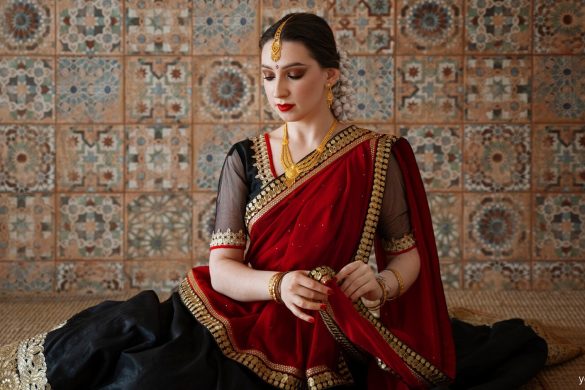
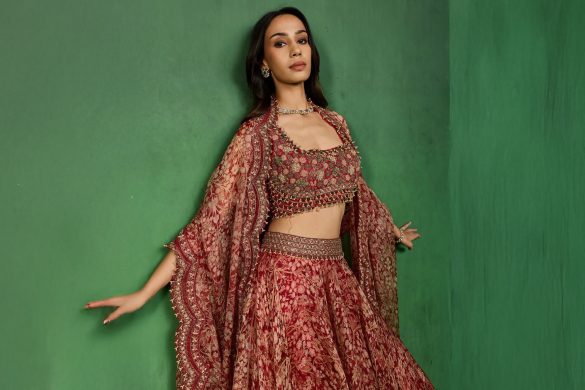
A lehenga choli or kurta set is still your best bet, but fabric choice starts to matter more once temperatures drop. Silk holds warmth better than georgette or chiffon, so it's worth leaning into for outdoor or unheated events. Velvet is another strong option here. It has natural insulation and reads as festive rather than casual, which makes it a smart pick when the weather isn't cooperating with your outfit plans.
What Should You Layer Over a Lehenga or Kurta Set for Warmth?
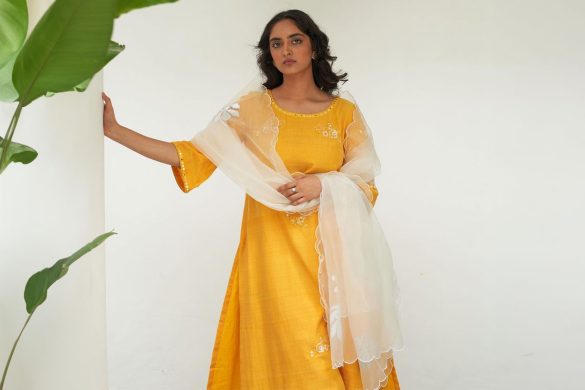
A well-chosen jacket or shrug is the easiest way to add warmth without covering up all the embroidery and detail you paid for. Look for a cropped jacket or embellished shrug in a color that either matches your outfit or plays off an accent shade already in it. A shawl or stole works too, especially if it's made from a warmer fabric like wool-blend or velvet rather than a sheer dupatta fabric.
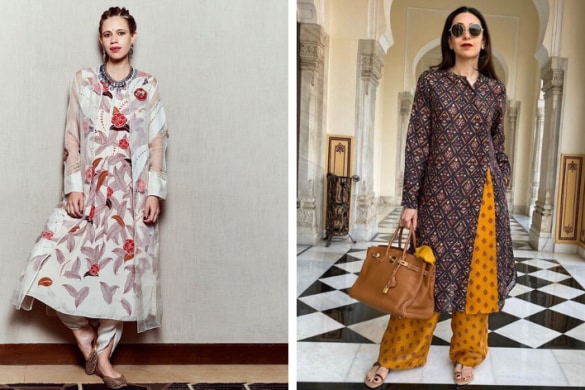
If you want a piece that does double duty, an embroidered jacket can actually elevate the outfit rather than looking like an afterthought. Aza's kurta sets collection has options with built-in jackets and structured layers, which take the guesswork out of matching a separate cover-up to your outfit.
What Should Men Wear to Stay Warm at Cold-Weather Garba Events?
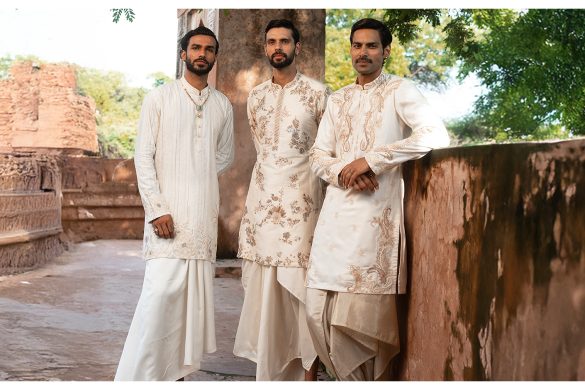
Men have it a little easier when it comes to layering, but the same logic applies. A bandhgala jacket or an embroidered vest over a kurta adds warmth and still looks intentional rather than thrown together. Wool-blend kurtas are worth considering if you know you'll be dancing outdoors, since they hold heat better than plain cotton without feeling heavy.
A scarf in a coordinating color is an easy last-minute addition too, and it's one more piece you can remove once the dancing heats things up.
Which Fabrics Hold Up Best for Garba in Cold Weather?
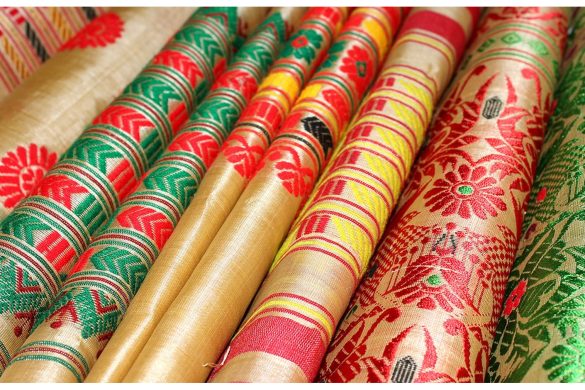
Silk is the clear winner for cold-weather garba. It has natural insulating properties, drapes well, and still gives you that festive sheen under event lighting. Velvet comes in a close second, particularly for jackets, shrugs, or accent pieces, since it adds visible texture along with warmth.
Cotton and linen, which work so well for warmer climates, aren't ideal here since they don't hold heat. If you're set on a lighter fabric for the base outfit, that's exactly where a warmer layer on top becomes non-negotiable.
Styling Tips for Garba Nights in Cold Weather
A few small choices make a real difference once the temperature drops. Choose closed-toe juttis or flats over open sandals, since standing around in cold air with exposed toes gets uncomfortable fast. Keep accessories warm and practical, think statement earrings paired with a scarf, rather than layering on cold metal jewelry that doesn't add any warmth. And if you're driving between an outdoor and indoor portion of the event, pack your outer layer in the car so you can add or remove it without breaking your outfit's flow.
Ready to Layer Up for Garba Night?
Cold weather doesn't have to mean choosing between comfort and looking the part. A well-chosen jacket, the right fabric, and a few practical accessory swaps let you dance through a chilly garba night without sacrificing the outfit you planned. Once Navratri wraps up, Dussehra follows close behind, and Aza's Dussehra outfit guide can help you keep that festive momentum going.
Frequently Asked Questions
What should I wear to garba if it's cold outside?
Layer a jacket, shrug, or shawl over your lehenga choli or kurta set, and choose warmer fabrics like silk or velvet over lighter options like georgette or chiffon.
Can I still wear a lehenga to garba in 50-degree weather?
Yes. A lehenga still works in cold weather as long as you pair it with a warm layer on top, like an embroidered jacket or a wool-blend shawl.
What fabric is warmest for a garba outfit?
Silk and velvet are the best choices for cold-weather garba. Both hold warmth better than cotton, linen, or chiffon while still looking festive.
Do I need different footwear for cold-weather garba nights?
Closed-toe juttis or flats are a better choice than open sandals once temperatures drop, since they keep your feet warmer during hours of dancing.