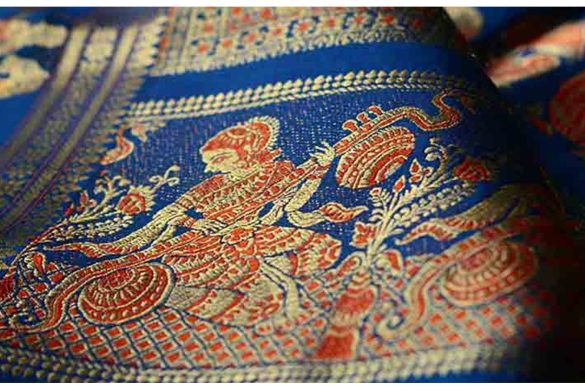
Premium Indian ethnic wear silk sarees, embroidered lehengas, zari work, and velvet garments requires special care to maintain its beauty and extend its life. The most important rules are: never machine-wash silk or heavily embroidered ethnic wear; store in breathable muslin pouches (not plastic); air after every wear; and dry-clean heavily embellished garments.
Fabric-by-Fabric Care Guide
Silk Sarees (Kanjivaram, Banarasi, Mysore, Tussar)
- Washing Dry-clean is always the safest option. Hand-washing in cold water with a very mild detergent is acceptable for Mysore and Tussar silk
- Never Machine-wash silk; wring or twist silk
- Drying Never dry silk in direct sunlight. Dry in shade, draped over a clean rod. Iron on the reverse side on a silk setting while slightly damp
- Storage Store folded in muslin or cotton cloth never in plastic bags. Refold along different fold lines every 6 months
Embroidered and Zari Work Lehengas
- Washing Dry-clean is mandatory for heavily zari embroidered lehengas. The metal threads tarnish and break with water and friction
- Handling Never fold a heavily zari-embroidered lehenga the metal threads crack along fold lines. Store rolled in muslin cloth
- Avoid Spraying perfume directly onto embroidered areas the alcohol damages metallic threads
Chiffon and Georgette Sarees
- Hand-wash in cold water with mild liquid detergent; these fabrics are more forgiving than silk
- Never wring squeeze gently and dry flat or draped
- Iron on a low/medium setting on the reverse side
Velvet Ethnic Wear
- Dry-clean only water can permanently crush the velvet pile
- Store hanging on a wide padded hanger to prevent crushing
- If velvet gets crushed, hold over steam (not touching the iron) and gently brush in the direction of the pile
Storage Best Practices for All Ethnic Wear
- Air before storing Always air ethnic wear for 2–3 hours after wearing before folding and storing
- Muslin is your best friend Store every piece of premium ethnic wear in breathable muslin or cotton never plastic
- Avoid cedar near zari Cedar can discolour metallic threads; use cloves or lavender sachets instead
- Seasonal maintenance Take out stored ethnic wear every 6 months, air it, refold along different lines, and check for insect damage
Frequently Asked Questions
Q: Can I wash a silk saree at home?
A: For Kanjivaram and Banarasi silk sarees, dry-cleaning is strongly recommended. Mysore silk and Tussar silk can be hand-washed at home in cold water with a very mild detergent use the gentlest possible hand movements. Never machine-wash, wring, or dry in direct sunlight.
Q: How do I remove a stain from a silk saree at home?
A: Act immediately blot (don't rub) the stain with a clean white cloth. Apply a small amount of mild soap or talcum powder and let it sit, then gently brush away. For a set stain or large area, take the saree to a professional dry cleaner.
Q: How do I prevent my saree from getting yellow over time?
A: Yellowing in silk sarees is caused by moisture, improper storage, and oxidation. Prevent it by: ensuring the saree is completely dry before storage, storing in breathable muslin (not plastic), airing it every 6 months, and keeping it away from direct sunlight.
Q: How do I store a lehenga to prevent the zari from tarnishing?
A: Store zari-embroidered lehengas rolled in soft muslin cloth rather than folded. Keep in a cool, dry, dark place with low humidity. Place a silica gel sachet in the storage area to absorb moisture.
Q: Can I iron a saree with a steam iron?
A: Yes, with caution. For silk sarees, iron on the reverse (wrong) side on a low silk setting while slightly damp. Avoid direct steam on zari work the moisture can cause metallic threads to tarnish. Use a pressing cloth between the iron and the saree.