Indian Wedding Guest Outfits for Non-Desi Guests: A First-Timer's Guide
Quick answer: Non-desi guests at an Indian wedding can wear a saree, salwar suit, lehenga, Indo-Western fusion outfit, or a modest cocktail dress. Choose rich, festive colors like emerald, royal blue, deep red, gold, or jewel tones. Avoid all-white (associated with mourning) and all-black outfits, and skip anything too casual. When in doubt, opt for traditional Indian attire—your hosts will love that you embraced it.
Your first Indian wedding is a treat. Days of color, music, food, and celebration await—and the outfits are half the fun. But if you've never attended one, the dress code can feel like a puzzle. This guide breaks it all down so you can show up looking festive, respectful, and comfortable.
What Can Non-Indian Guests Wear?
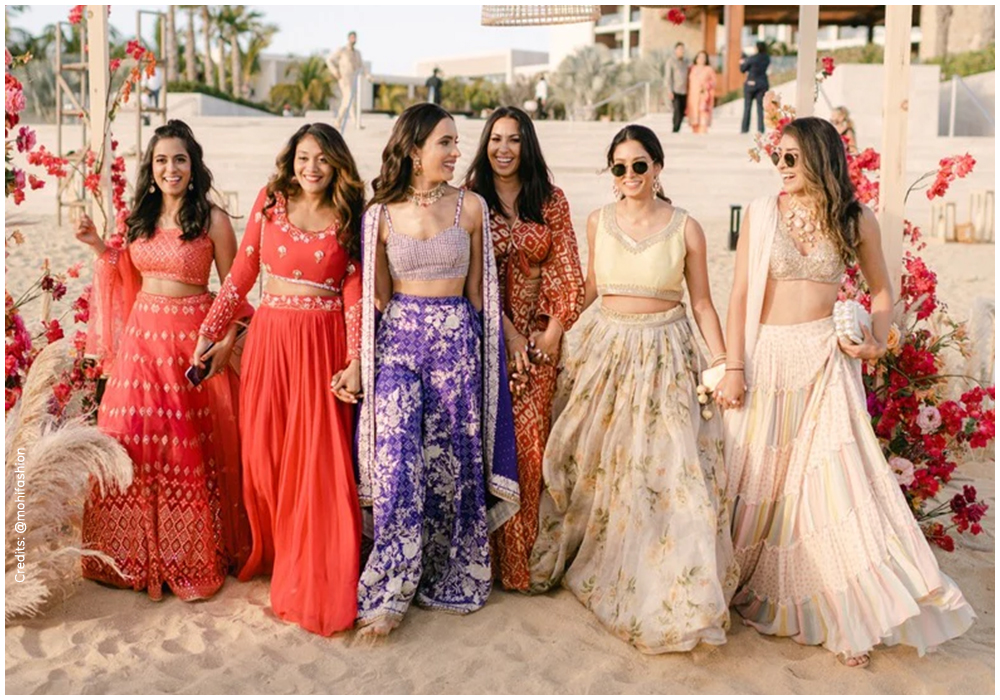
You have more options than you might think. Here are the safest, most celebrated choices:
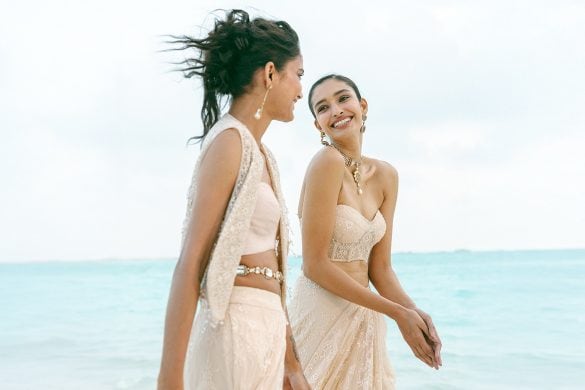
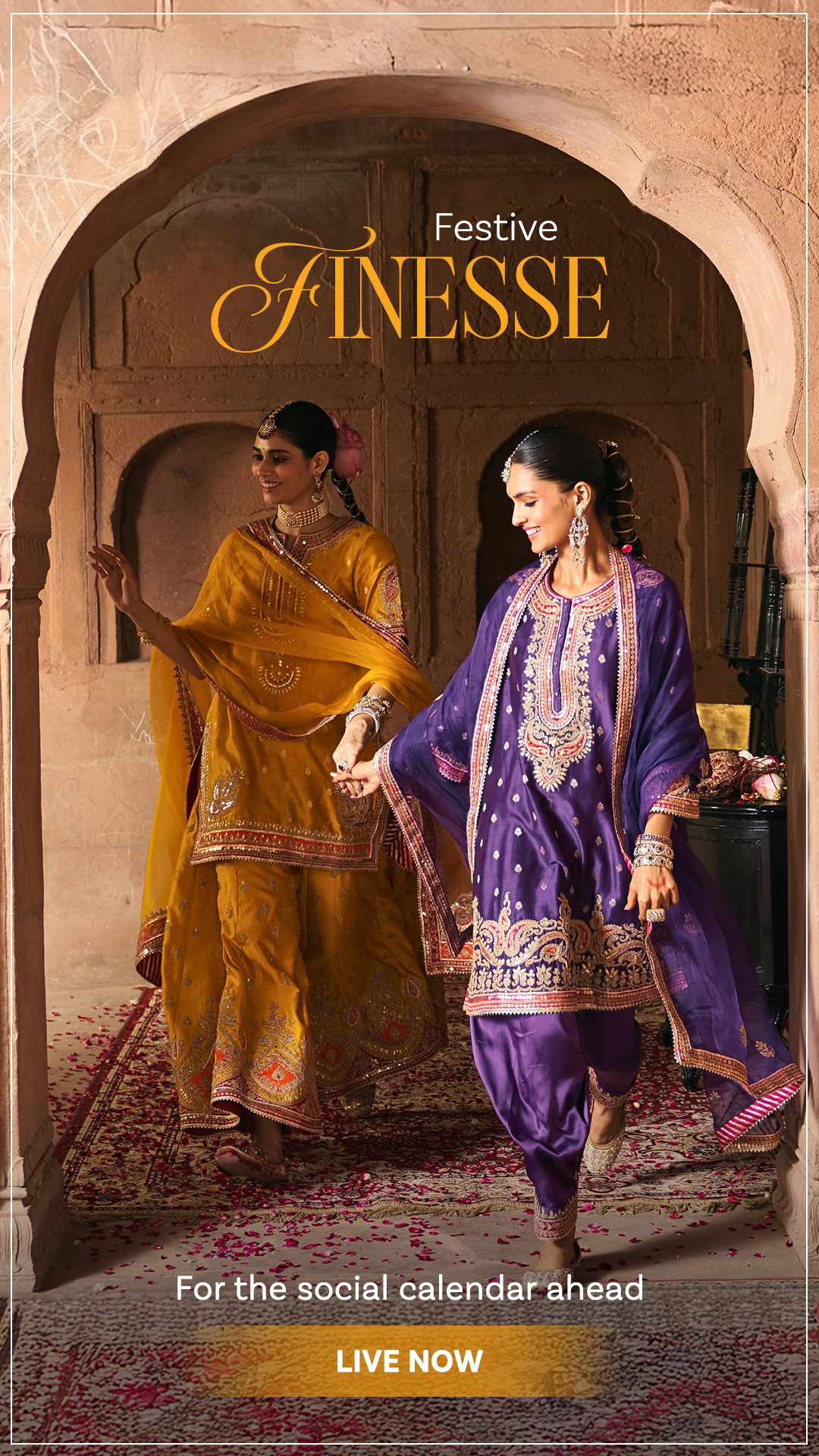
- Saree: Elegant and iconic. If draping feels intimidating, a pre-stitched or ready-to-wear saree solves that instantly.
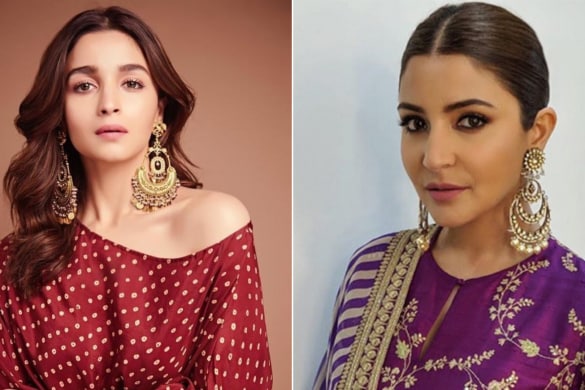
- Salwar suit (or Anarkali): Comfortable, forgiving, and easy to move in—a great pick for first-timers.
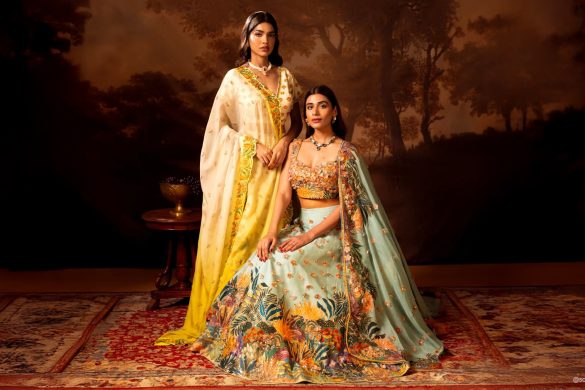
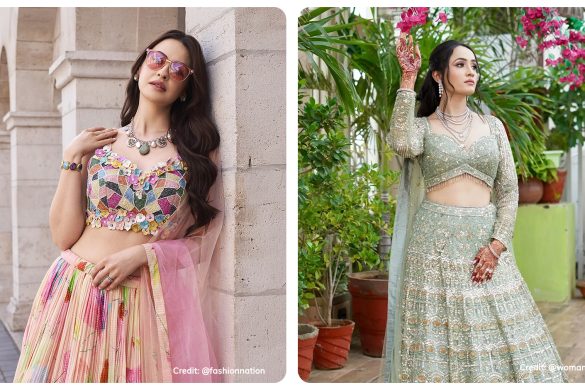
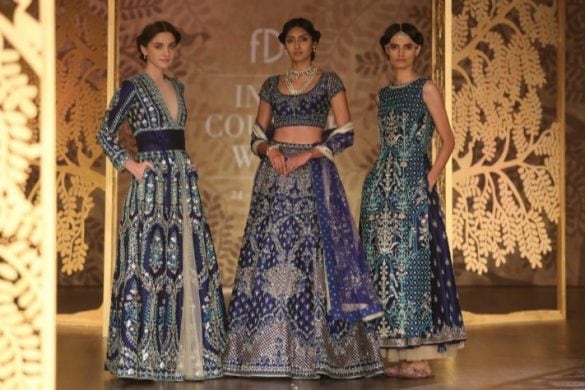
- Lehenga: A cropped top with a full skirt. Festive, photogenic, and perfect for younger guests.
- Indo-Western fusion: Think embroidered gowns, dhoti pants with a stylish top, or a jacket-style set. A comfortable middle ground between Western and traditional.
- Cocktail dress: Fine for a reception, especially if it's colorful and elevated.
Internal link opportunity: Where to buy Indian festive wear online in the US
What to Avoid
A few simple rules keep you on the right side of tradition:
- All white: White is linked to mourning in many Indian cultures. Skip it as a base color.
- All black: Considered inauspicious by some families for religious ceremonies. A black accent is fine; a full black outfit isn't ideal.
- Overly casual looks: No jeans, sundresses, or flip-flops. Indian weddings lean dressy.
- Upstaging the couple: Avoid heavy red bridal looks that might read as trying to match the bride.
Function-by-Function Outfit Tips
Indian weddings often span several events, each with its own vibe.
- Haldi: A daytime turmeric ceremony. Wear yellow or bright shades in fabrics you don't mind getting a little messy.
- Mehendi: Colorful, playful, and casual-festive. Greens, oranges, and pinks work beautifully.
- Ceremony: The main event. Go traditional and elegant—a saree or salwar suit in jewel tones.
- Reception: The most flexible. An Indo-Western outfit or a rich cocktail dress fits right in.
Practical Shopping Tips
- Ask your host. They'll happily guide you on colors and formality.
- Order early. Custom or shipped-from-India pieces need 2–4 weeks. Ready-to-ship options are faster.
- Check the size guide. Indian sizing differs from US sizing—measure carefully.
- Rent if you're unsure. Rental services let you try Indian wear without a full commitment.
Frequently Asked Questions
Can non-Indian guests wear traditional Indian clothes?
Yes, and it's warmly encouraged. Wearing a saree, lehenga, or salwar suit shows respect for the culture, and your hosts will appreciate the effort.
What colors should I wear to an Indian wedding?
Choose rich, festive shades like emerald, royal blue, deep red, gold, magenta, or other jewel tones. Avoid all-white and all-black outfits.
Do I have to wear Indian clothing?
No. A colorful, modest cocktail dress or an Indo-Western outfit is perfectly acceptable, especially at the reception.
Can men wear a regular suit to an Indian wedding?
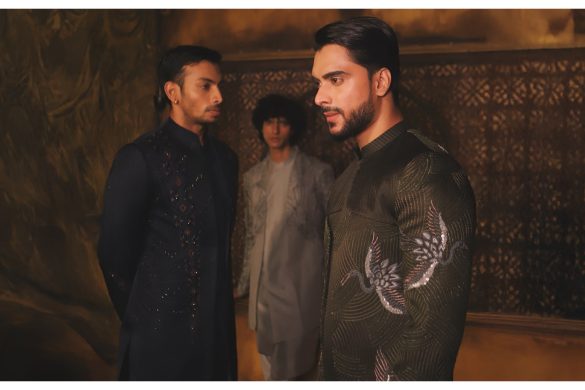
Yes. A tailored suit works well. For a festive touch, men can add a kurta or a Nehru jacket.
How much should I spend on an outfit?
You don't need to overspend. Affordable ready-to-ship options and rentals let you look the part without a big investment.