

The Roots of Kashida: A Cultural Legacy
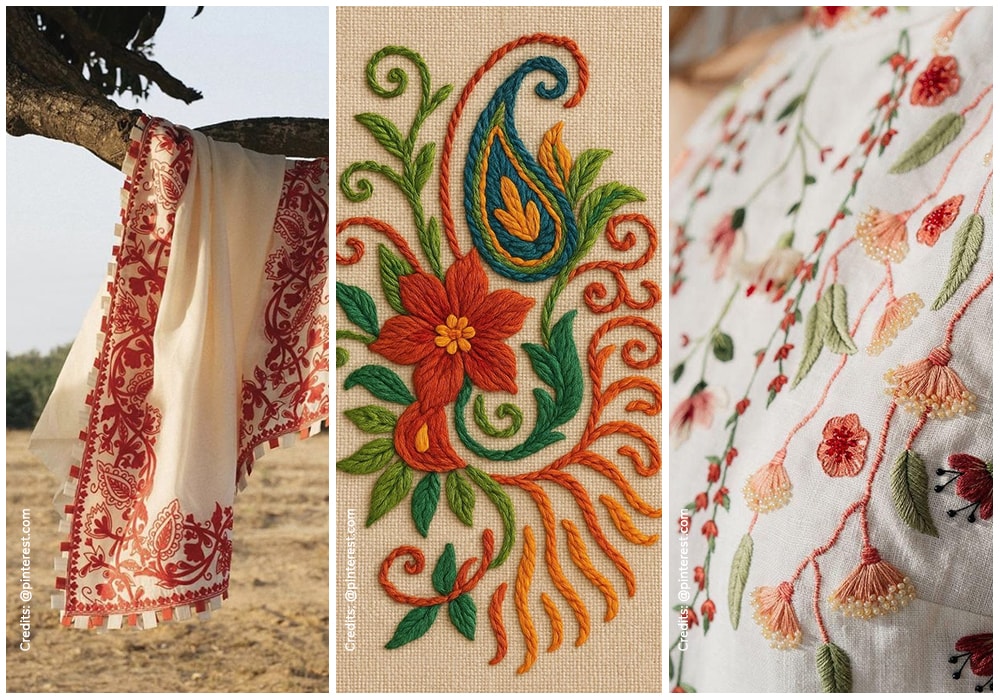
The word "Kashida" translates to embroidery. Its origins date back centuries, with many believing it flourished under the patronage of Persian and Mughal rulers. The craft is deeply embedded in the culture of Kashmir. It was not just a commercial trade; it was a way of life. Traditionally, the men of Kashmir, along with their families, would work on these intricate designs during the cold winter months when farming was impossible. Using simple needles and colorful threads, they transferred the beauty of their surroundings onto fabric. This connection to the land is why you will rarely see abstract or geometric patterns in authentic Kashida work. Instead, you see nature coming alive.The Artistry: Motifs and Techniques
What makes Kashida embroidery so special? It is the single-stitch technique. Artisans typically use a single stitch style, often the chain stitch, satin stitch, or the stem stitch, to create the entire pattern. This gives the embroidery a flat, smooth finish that looks almost like a painting.Nature as the Muse
The motifs are the soul of Kashida. Since the artisans drew inspiration from what they saw around them, the designs are dominated by:- Chinar Leaves: The iconic maple leaves of Kashmir are the most common motif.
- Flowers: Lotuses, irises, tulips, and lilies are frequently depicted in vibrant colors.
- Birds: Kingfishers, parrots, and woodpeckers add life and movement to the designs.
- Fruits: Grapes, cherries, and almonds are also popular elements.
The Fabric and Thread
Kashida is traditionally done on fabrics that suit the cold climate of Kashmir, such as silk, wool, and cotton. The base fabric is often in lighter shades like cream, white, or pastel blues to let the colorful threads pop. The threads themselves are usually made of wool, silk, or cotton, dyed in rich, jewel tones like crimson, emerald, purple, and saffron.Kashida in Modern Indian Fashion
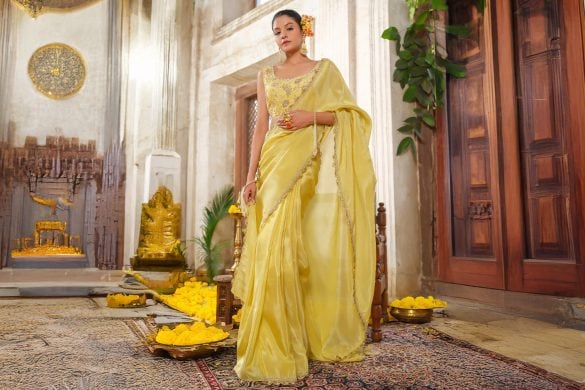
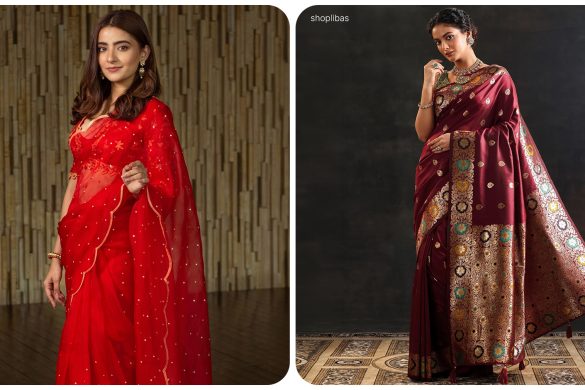
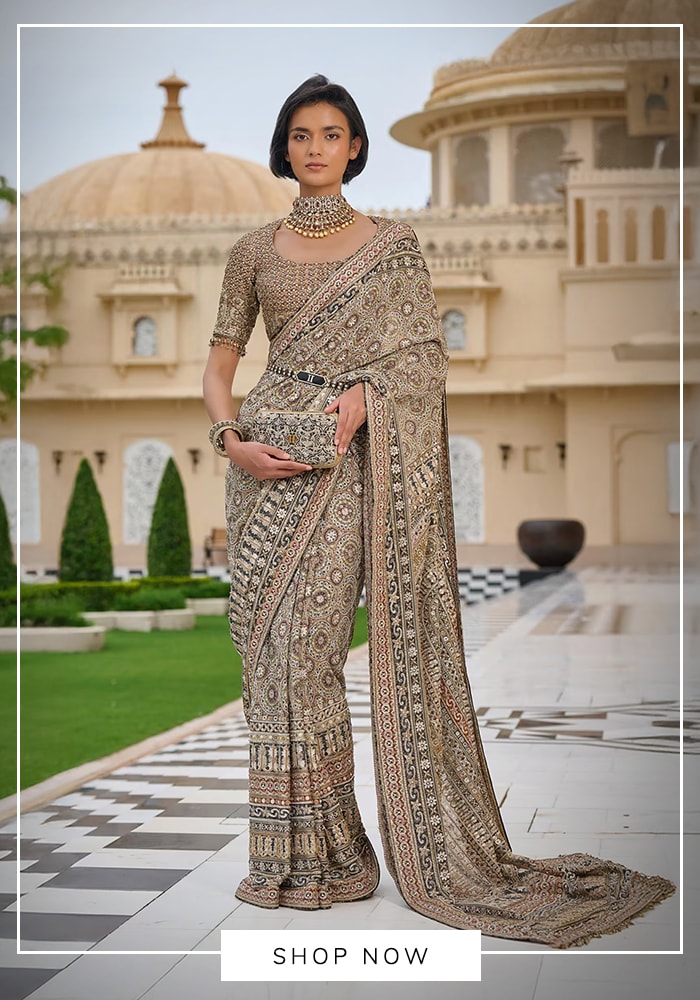
While Kashida has ancient roots, it fits perfectly into the modern fashion landscape. Designers today are finding innovative ways to incorporate this traditional craft into contemporary silhouettes. It is no longer limited to the traditional pheran (a loose Kashmiri cloak).1. The Elegant Kashida Saree

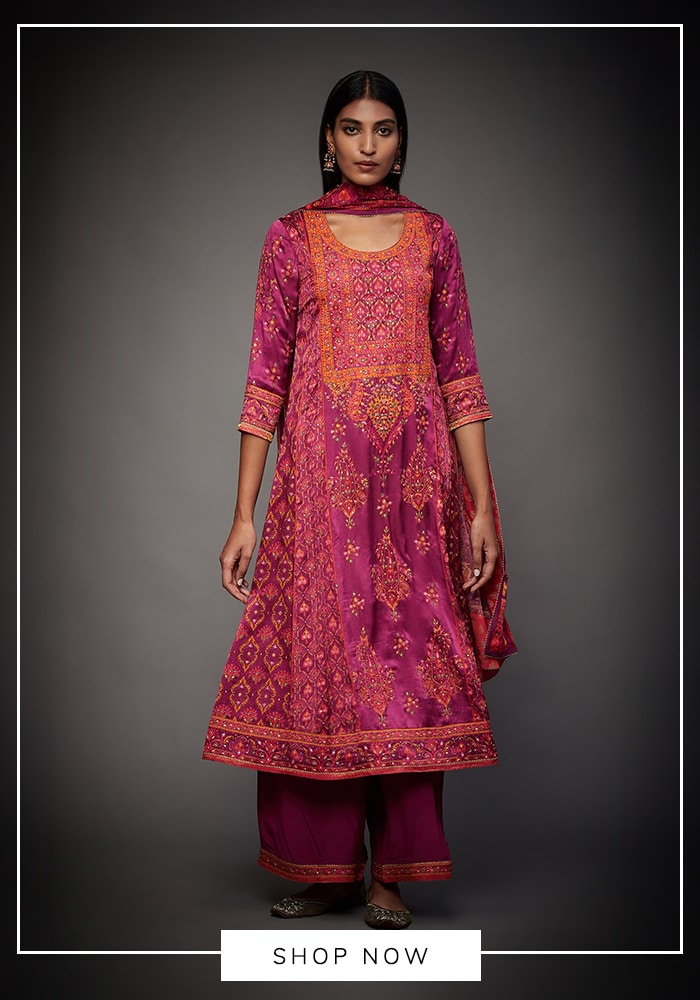
2. Chic Kurtis and Tunics

3. Statement Dupattas and Shawls

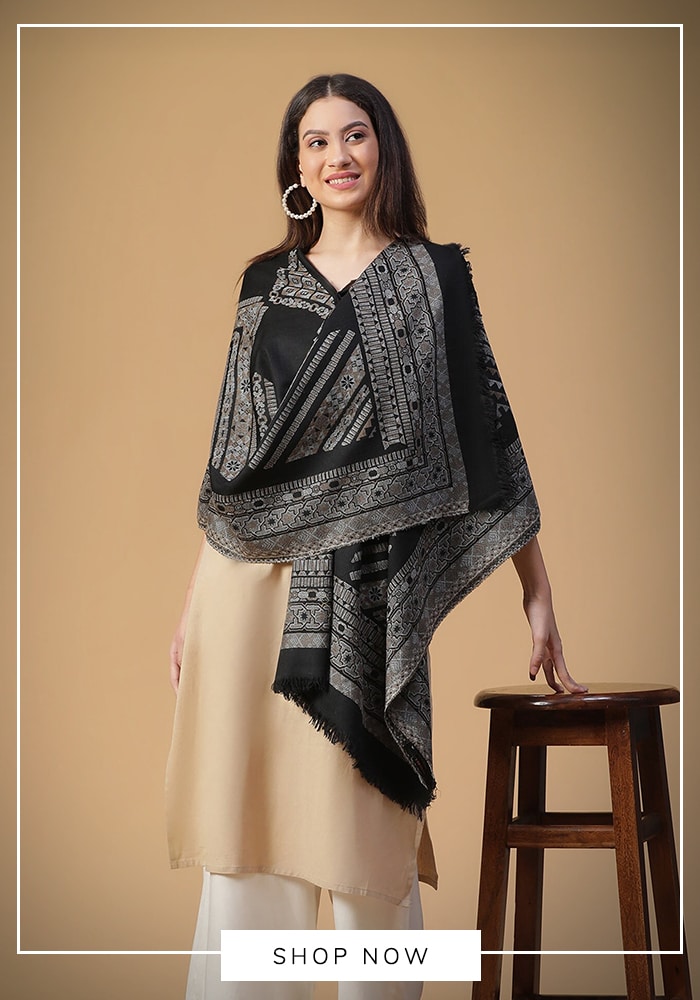
4. Jackets and Capes

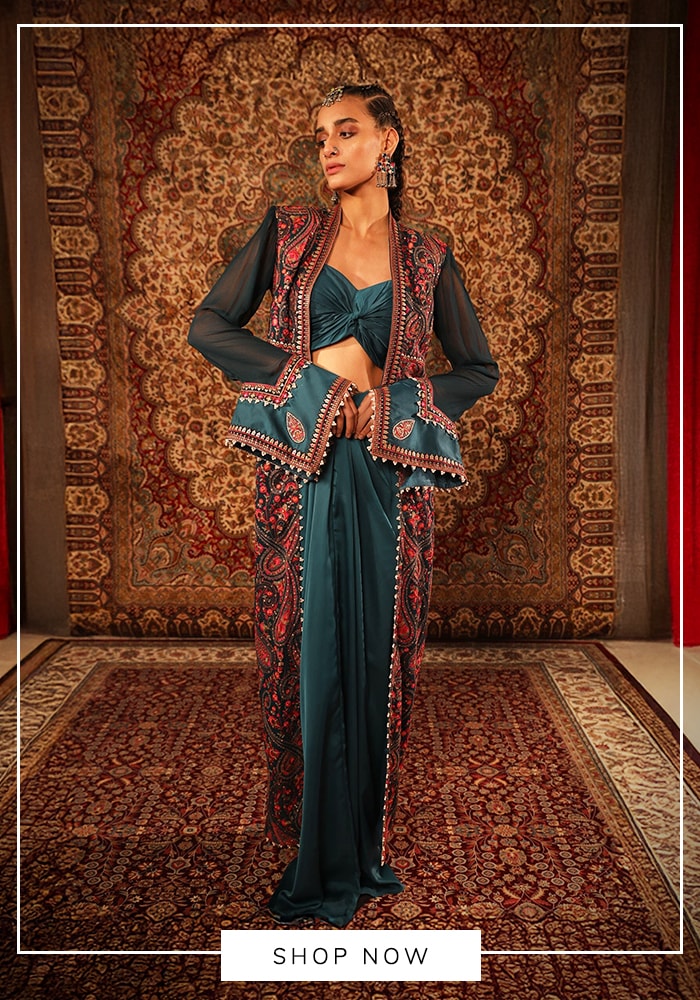
Why Choose Kashida?
- Unmatched Elegance: The fineness of the stitches makes the embroidery look incredibly sophisticated.
- Versatility: It works beautifully on both heavy bridal wear and light daily wear.
- Durability: Because the stitches lie flat against the fabric, they are less likely to snag or pull compared to other raised embroidery styles like Zardosi.
- Timeless Appeal: Nature never goes out of style. The floral and leafy patterns are eternally fashionable.
Styling Your Kashida Outfit
When you wear a piece as detailed as Kashida, let the embroidery be the hero.- Keep Jewelry Minimal: If you are wearing a high-neck kurti with heavy embroidery, skip the necklace. Opt for simple studs or jhumkas.
- Balance the Look: If you are wearing a heavy Kashida shawl or dupatta, keep your suit plain. Let the contrast highlight the craftsmanship.
- Footwear: Traditional mojris or juttis complement the ethnic vibe of Kashida perfectly.
Discover Kashida at Aza Fashions
Kashida embroidery is more than just thread on cloth; it is a legacy of art and patience. It brings the serene beauty of the Kashmir valley straight to your wardrobe. At Aza Fashions, we curate collections that blend this rich heritage with modern style sensibilities. From breathtaking sarees and lehengas to chic kurtis and stoles, our range of ethnic wear showcases the finest craftsmanship India has to offer. Explore our collection today and bring home a piece of timeless elegance. Wear the art, tell the story, and shine with Aza.Author


Kashida Embroidery: A Timeless Craft of Elegance was last modified: February 14th, 2026 by