Indian ethnic fashion is rich with accessories that can transform a simple outfit into a stunning ensemble. Two such staples are the stole and the dupatta. At first glance, they might look similar—both are lengths of fabric draped over the shoulders or neck. However, they serve different purposes, come in different sizes, and bring a distinct vibe to an outfit.
If you have ever stood in front of your mirror wondering whether to grab that heavy embroidered drape or the light scarf-like piece, this guide is for you. Let's break down the differences between a stole and a dupatta, explore their unique features, and look at the best ways to style them.
What is a Dupatta?
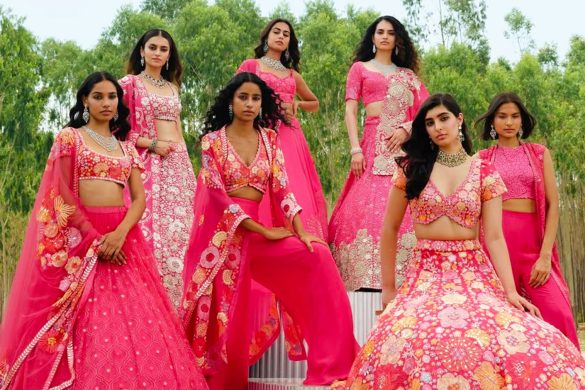
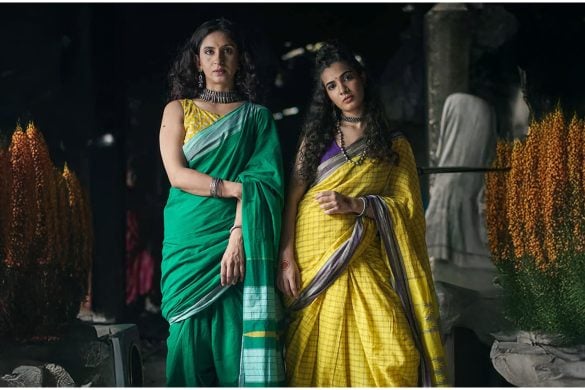
The dupatta is a quintessential element of traditional South Asian attire. Historically, it was worn as a symbol of modesty, but today, it is a major fashion statement. It is typically a long, rectangular piece of cloth that completes an outfit like a salwar kameez, lehenga, or churidar.
Key Features of a Dupatta
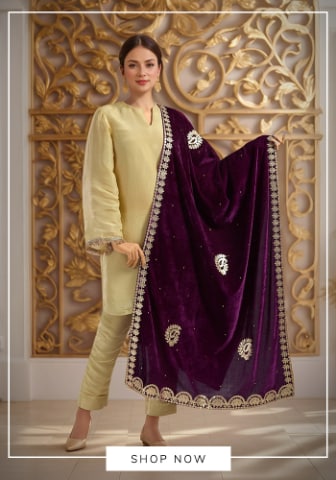
- Length and Width: A standard dupatta is quite long, usually ranging from 2.5 to 3 meters in length, and is significantly wider than a stole. This ample fabric allows for elaborate draping styles.
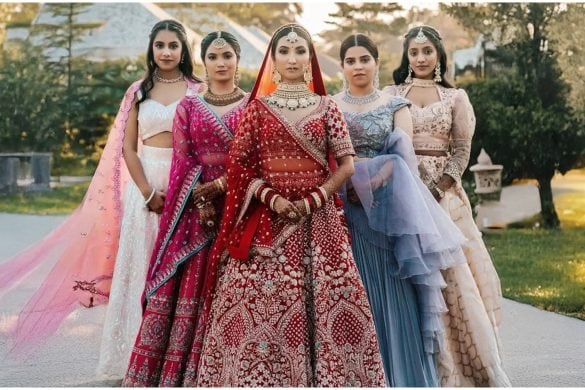
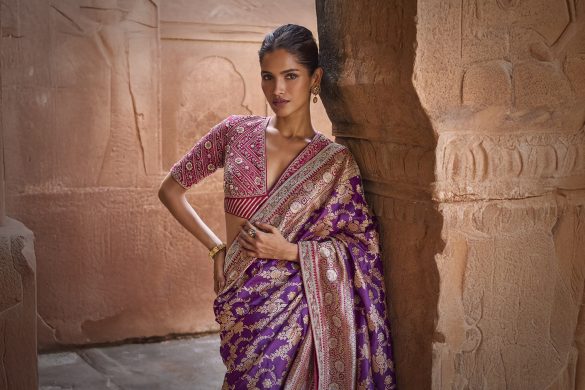
- Fabric and Embellishment: Dupattas are often the "hero" piece of an ethnic outfit. They can be made from rich fabrics like silk, georgette, velvet, or organza. You will frequently find them adorned with heavy embroidery, zari work, sequins, or decorative borders.
- Purpose: It is primarily designed to be part of a set (like a suit set or lehenga set). While mix-and-match is popular now, the dupatta traditionally ties the top and bottom wear together visually.
Best Occasions for a Dupatta
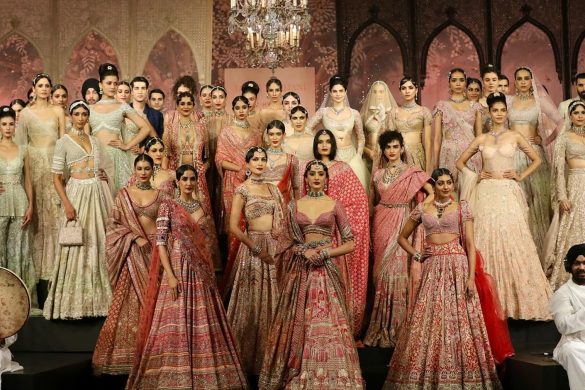
- Weddings: A heavy bridal lehenga is incomplete without a dupatta (or two!). It adds grandeur and volume to the bridal look.
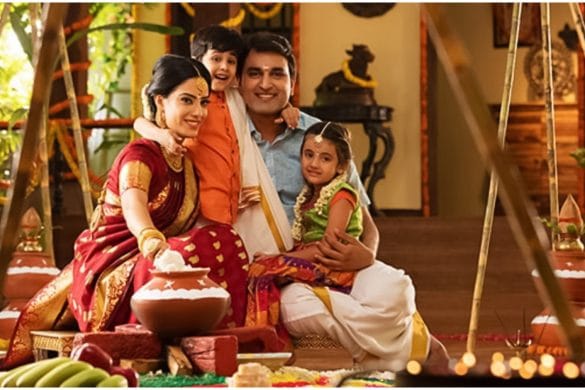
- Festivals: For Diwali, Eid, or Puja ceremonies, a vibrant dupatta draped over a simple kurta set adds instant festivity.
- Formal Gatherings: Whether it is a family dinner or a religious function, a dupatta adds a layer of grace and tradition to your attire.
What is a Stole?
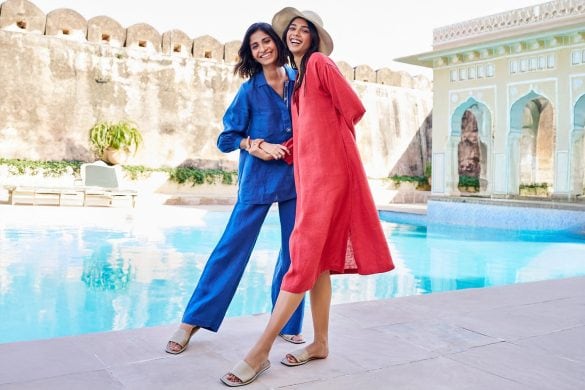
A stole is the modern, versatile cousin of the dupatta. It is essentially a scarf, but generally lighter and narrower. While the dupatta is deeply rooted in tradition, the stole is a cross-cultural accessory that fits seamlessly into both Western and Indo-Western wardrobes.
Key Features of a Stole
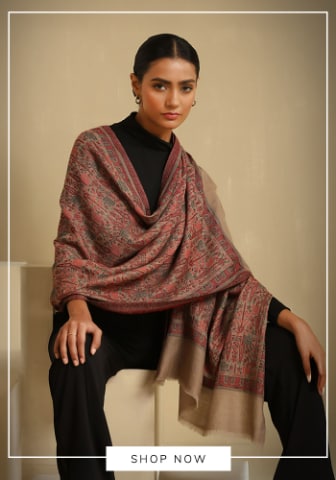
- Dimensions: Stoles are shorter and narrower than dupattas. They typically measure around 1.5 to 2 meters in length. This makes them easier to manage and less bulky to carry.
- Fabric and Design: Stoles lean towards lighter, more fluid fabrics like cotton, linen, wool, or blends. While you can find embroidered stoles, they usually feature simpler designs like prints, checks, stripes, or solid colors.
- Versatility: Unlike a dupatta, a stole isn't bound to ethnic wear. It works just as well with jeans and a t-shirt as it does with a kurta.
Best Occasions for a Stole
- Casual Outings: A coffee date, a day at college, or a shopping trip calls for the easy-breezy vibe of a stole.
- Office Wear: A stole is perfect for the workplace. It adds color to a professional outfit without the hassle of managing a long dupatta.
- Winter Layering: Woolen or pashmina stoles are stylish essentials for colder months, keeping you warm while looking chic.
Styling Tips: How to Wear Them
Knowing the difference is half the battle; the other half is styling them to perfection.
How to Style a Dupatta
- The Classic One-Side Drape: Pin the dupatta on one shoulder and let it fall gracefully. This works beautifully with lehengas and heavy suits, showing off the embroidery on the fabric.
- The V-Shape or U-Shape: Pin both ends of the dupatta on your shoulders, allowing the fabric to fall in a deep U or V shape across your chest. This is great for keeping your hands free during busy events.
- The Elbow Drape: For a royal look, carry the dupatta across your back and rest the ends in the crooks of your elbows. This is a favorite for red-carpet events and receptions.
How to Style a Stole
- The Loop: Fold the stole in half, place it around your neck, and pull the loose ends through the loop. This "European loop" looks fantastic with western jackets and sweaters.
- The Neck Wrap: Simply wrap the stole once around your neck and let both ends hang loose in the front. This is a casual, effortless look that pairs well with kurtis and jeans.
- The Belted Look: Drape the stole around your neck, letting the ends fall down your front. Secure it at your waist with a stylish belt. This modern trick instantly adds structure to a flowy dress or long tunic.
Choosing the Right One for You
So, stole or dupatta? The answer depends on your outfit and the occasion.
If you are dressing up for a wedding or a traditional ceremony, the dupatta is your best friend. It provides the volume and grandeur required for such events. If you are heading to work, running errands, or wearing a fusion outfit, the stole offers the perfect balance of style and convenience.
Ultimately, both accessories have a rightful place in your wardrobe. They are tools of expression, allowing you to add color, texture, and personality to your look.
If you are looking to expand your collection, Aza Fashions offers a curated selection of designer dupattas and stoles. Whether you need a heavy, hand-embroidered Banarasi dupatta for a wedding or a chic, printed stole for everyday wear, you will find exquisite pieces that elevate your style quotient.