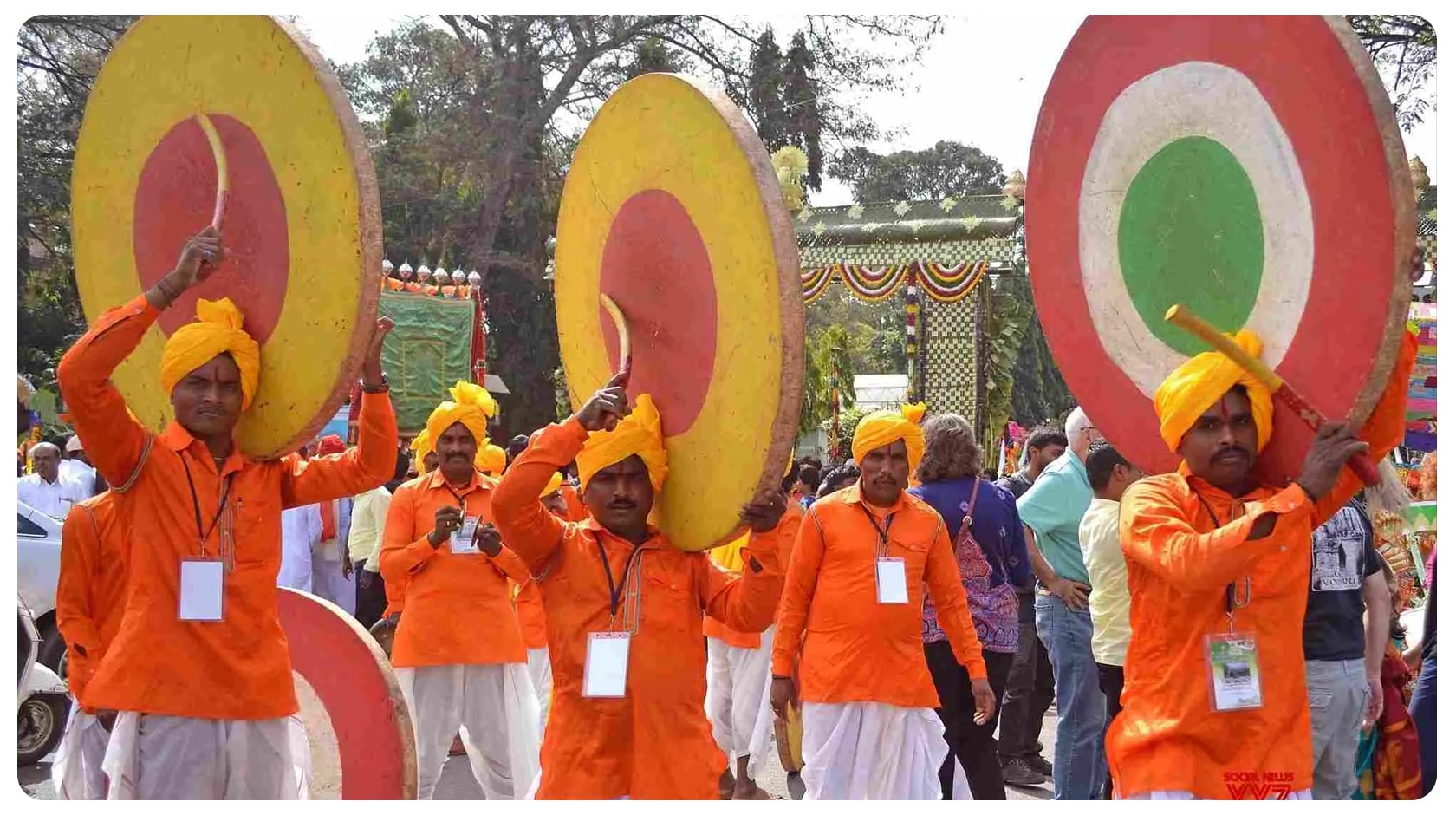
 As the crisp winter air begins to settle and the sun starts its northward journey, the state of Karnataka gears up for one of its most vibrant celebrations: Suggi Habba. Known elsewhere in India as Makar Sankranti, Pongal, or Lohri, Suggi Habba is a festival that pays homage to the land, the sun, and the tireless efforts of farmers. It is a time of gratitude, abundance, and colorful traditions that have been passed down through generations. If you’re looking to add a stylish, festive touch to your celebration, explore signature collections from designers like Naintara Bajaj, Basanti - Kapde Aur Koffee, and Gulabo Jaipur, each offering unique interpretations of traditional ethnic wear. For those interested in contemporary elegance, Karaj Jaipur and Lashkaraa have become favorites for their fresh take on festive outfits, all available on a leading fashion designer website. Incorporating such designer picks in the first fold of your wardrobe plan ensures you’re celebration-ready right from the start. For the modern Indian and the global diaspora, Suggi Habba is more than just an agricultural festival; it is a moment to reconnect with roots, celebrate heritage, and of course, dress up in stunning ethnic attire. In this guide, we will explore the rich cultural tapestry of Suggi Habba, its unique rituals, and how you can embrace the festive spirit with the perfect blend of tradition and contemporary fashion.
The Cultural Significance of Suggi Habba
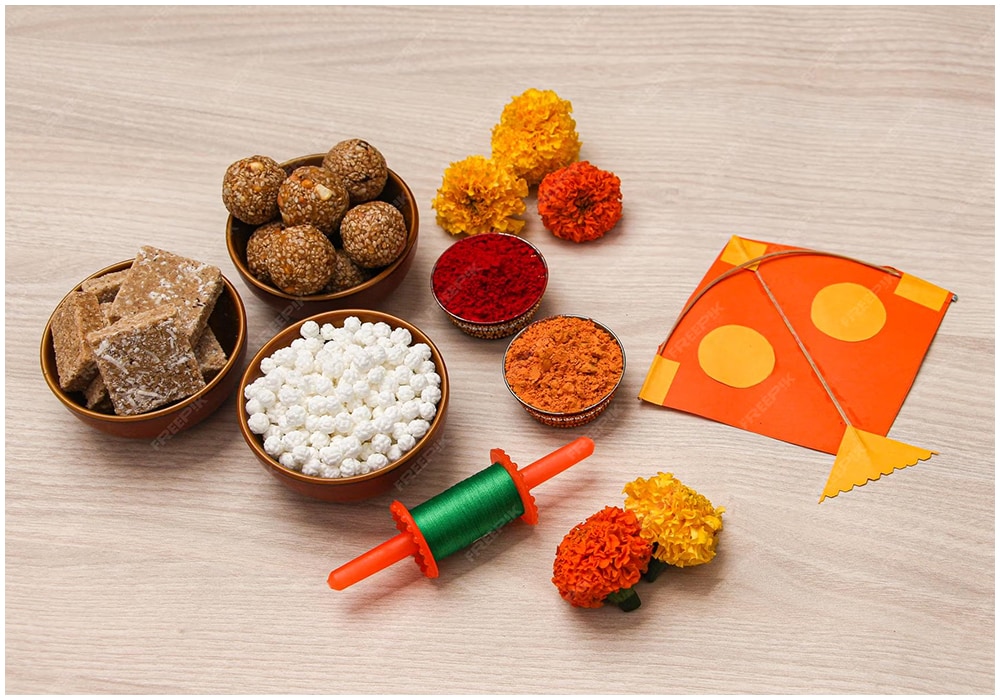 Suggi Habba is deeply rooted in the agrarian culture of Karnataka. "Suggi" translates to harvest, and "Habba" means festival. It marks the day when the sun enters the zodiac sign of Capricorn (Makara Rashi), signaling the end of winter and the beginning of longer, warmer days. This astronomical event is considered highly auspicious, representing a shift from darkness to light. For farmers, this festival is the culmination of months of hard work. The first harvest of sugarcane, paddy, turmeric, and sesame is offered to the gods as a gesture of thanksgiving. It is a celebration of prosperity and a prayer for future abundance. Beyond agriculture, Suggi Habba fosters social bonding. It is a time for forgiving grudges, visiting loved ones, and sharing sweetness—literally and metaphorically.
Rituals and Traditions: A Symphony of Colors and Flavors
The celebrations of Suggi Habba are a sensory delight, characterized by specific rituals that distinguish it from other harvest festivals across India.Ellu Bella: The Sweet Exchange
The most iconic tradition of Suggi Habba is the exchange of "Ellu Bella." This is a special mixture made of white sesame seeds (Ellu), fried groundnuts, dry coconut copra, and jaggery (Bella). This mix is distributed among friends, family, and neighbors with the famous Kannada saying, "Ellu bella thindu olle mathadi" (Eat sesame and jaggery, and speak only good words). This ritual symbolizes the spreading of happiness and the sweetening of relationships.Decorating the Cattle: Kichchu Haayisuvudu
In rural Karnataka, cows and bulls are worshipped as vital members of the farming family. They are washed, their horns are painted in bright colors, and they are adorned with bells and flowers. In a ritual known as Kichchu Haayisuvudu, cattle are sometimes made to cross a small, controlled fire, which is believed to ward off evil and bring good health to the animals.Rangoli and Festive Decor
Homes are cleaned and decorated with intricate Rangoli (colorful floor designs) at the entrance. Fresh mango leaves and flower garlands adorn doorways, welcoming prosperity and guests alike. The atmosphere is vibrant, filled with the aroma of festive cooking and the sound of folk songs.Modern-Day Celebrations: Heritage Meets High Fashion
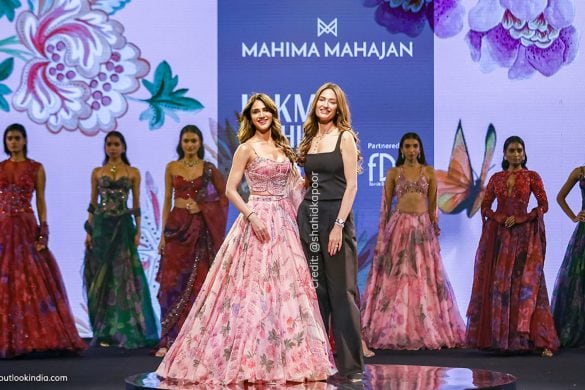
While the core traditions of Suggi Habba remain unchanged, the way we celebrate has evolved. In urban centers like Bengaluru and among communities abroad in the UK and USA, the festival has taken on a contemporary hue. It has become a significant occasion for social gatherings, community potlucks, and cultural events where fashion plays a pivotal role. Today, Suggi Habba is the perfect excuse to curate a wardrobe that reflects a deep appreciation for Indian craftsmanship while embracing modern aesthetics. Whether attending a puja at home or a festive lunch with friends, your outfit sets the tone for the celebration.Styling Your Suggi Habba Look
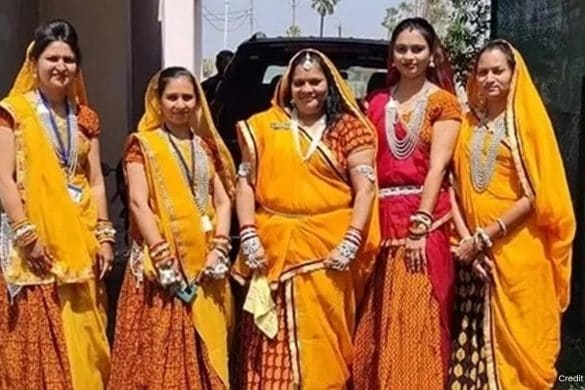
Dressing for a harvest festival calls for attire that is vibrant, comfortable, and culturally resonant. Here are some fashion-forward ideas to help you shine this Suggi Habba.The Elegance of Sarees
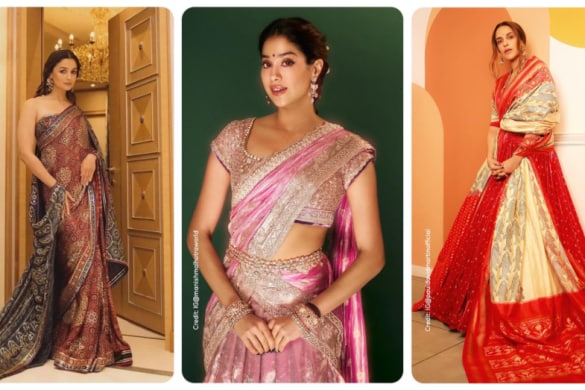
Nothing says traditional Indian festival quite like a saree. For a daytime celebration like Suggi Habba, you want fabrics that are breathable yet festive.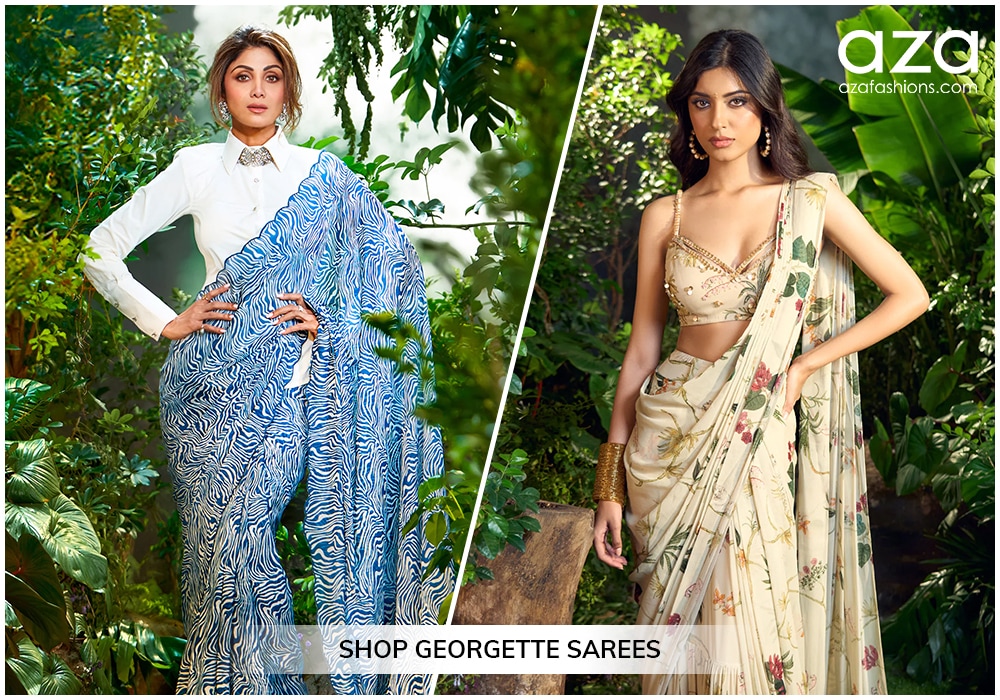
- Georgette Sarees: A lightweight georgette saree is an excellent choice for modern women who want to move around freely while looking effortless. Opt for bright colors like mustard yellow, emerald green, or vermillion red to mirror the harvest colors.
- Chiffon Sarees: If you prefer something even airier, chiffon sarees offer a graceful drape that is perfect for social gatherings. Look for floral prints or subtle embellishments that add a touch of glamour without being overwhelming.
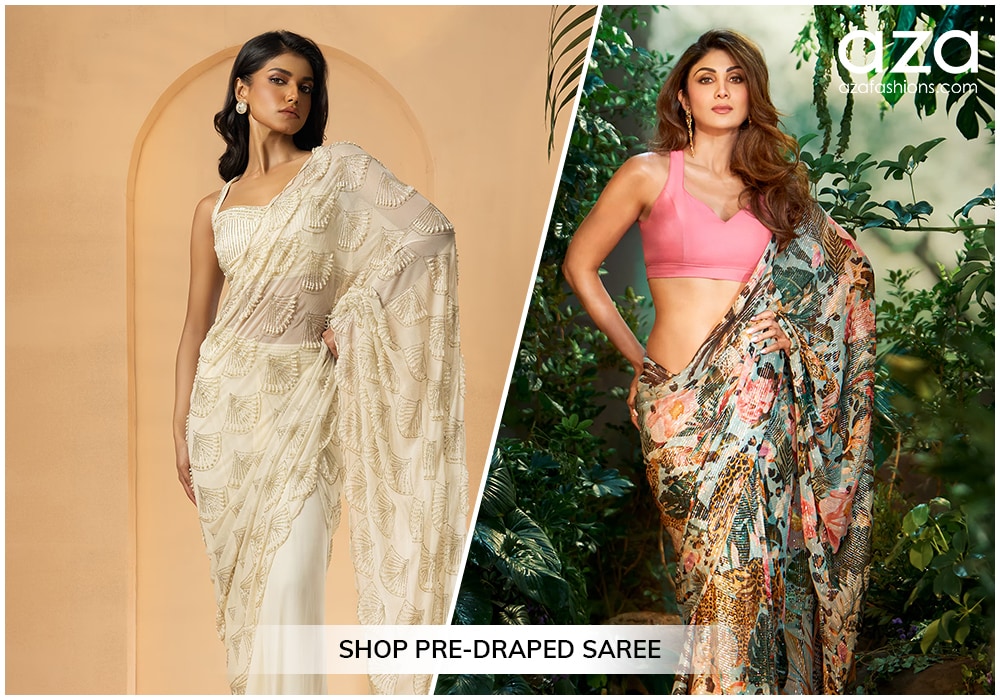
- Pre-Draped Options: For those who may not be experts in draping but love the silhouette, pre-draped sarees are a game-changer. They combine the traditional look with modern convenience, allowing you to get ready in minutes.
Contemporary Kurta Sets
If a saree feels too formal for a casual family lunch, a chic kurta set is your best friend.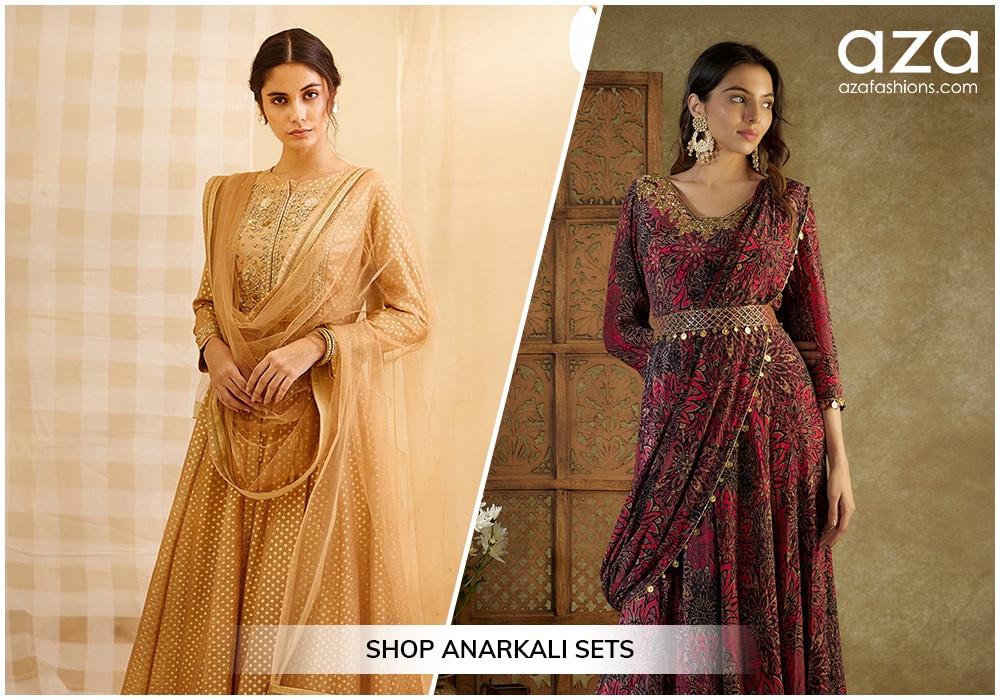
- Anarkali Sets: The flowing silhouette of anarkali sets adds a regal touch to your festive look. Brands like Basanti - Kapde Aur Koffee offer stunning designs that blend vibrant colors with comfortable fabrics.
- Printed Sets: For a more relaxed vibe, explore kurta sets with contemporary prints. Designers like Gulabo Jaipur are known for their fresh, lively patterns that capture the joyous spirit of the festival.
Fusion Lehengas and Skirts
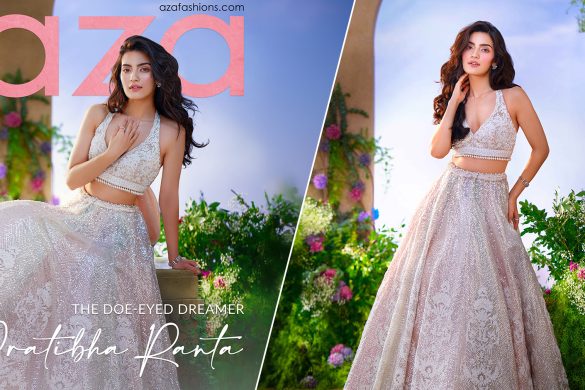
For younger fashionistas or those attending evening parties, a fusion look can be a showstopper.- Printed Lehengas: A printed lehenga is lighter than a bridal lehenga but just as stylish. It’s perfect for twirling around during festive dances.
- Skirts and Tops: Pair a heavy ethnic skirt with a simple crop top or a shirt for an Indo-Western vibe. You can browse skirts and specifically long skirts to create a custom ensemble that reflects your personal style.
Designer Spotlight: Curating Your Festive Wardrobe
To truly make a statement this Suggi Habba, investing in designer pieces ensures quality and exclusivity. A visit to a premium fashion designer website reveals collections that are tailor-made for such joyous occasions.- Naintara Bajaj: Known for modern silhouettes and edgy designs, Naintara Bajaj offers outfits that are perfect for the fashion-forward woman who wants to stand out.
- Lashkaraa: If you are looking for that perfect balance between traditional embroidery and modern cuts, Lashkaraa is a brand to watch. Their outfits often feature intricate detailing that sparkles under festival lights.
- Nidhika Shekhar: For those who love contemporary structures and bold colors, Nidhika Shekhar creates pieces that are both wearable art and comfortable fashion.
- Karaj Jaipur: To embrace the authentic vibe of Indian textiles, Karaj Jaipur brings the essence of traditional craftsmanship to modern wardrobes, making them ideal for harvest festivities.
Accessorizing for the Occasion
No festive look is complete without the right accessories. Since Suggi Habba is a daytime festival, keep your jewelry elegant but not overly heavy.- Jewelry: Pair your sarees with temple jewelry or antique gold pieces to resonate with the traditional theme. For fusion outfits, statement earrings or a chunky necklace can elevate the look.
- Footwear: Comfort is key. Opt for embellished juttis or mojaris that complement your ethnic attire.
- Bags: A small potli bag or an embroidered clutch is perfect for carrying your essentials and your packet of Ellu Bella!