Ever wondered why your favorite silk blouse drapes like water while your denim jeans feel sturdy and structured? The secret isn't just in the fiber—it's in the weave. While we often obsess over material (cotton, silk, wool), the way those threads are interlaced, known as the fabric weave, plays a massive role in how a garment looks, feels, and performs.
For fashion enthusiasts, understanding weaves is like learning the grammar of a language. It helps you make smarter shopping decisions, care for your clothes better, and appreciate the craftsmanship behind designer pieces. Whether you're browsing designer clothes for women for a wedding or picking a durable everyday outfit, knowing your weaves gives you a serious style advantage.
In this guide, we’re going deep into the loom. We’ll explore the most popular types of fabric weaves, their characteristics, and why they matter in the world of high fashion.
Why Fabric Weave Matters
Before we jump into the specific types, let’s clarify why you should care. The weave determines:
- Durability: How well the fabric stands up to wear and tear.
- Drape: How the fabric hangs on your body (stiff vs. fluid).
- Breathability: How much air passes through the material.
- Texture: Whether the surface feels smooth, rough, or ribbed.
Designers like Sabyasachi and Masaba don't just pick colors; they carefully select weaves to bring their visions to life.
The Big Three: Basic Weaves
Most fabrics you encounter are variations of three fundamental weaves: plain, twill, and satin. Let’s unravel them.
1. Plain Weave: The Reliable Classic
Imagine a simple checkerboard. In a plain weave, the horizontal threads (weft) go over and under the vertical threads (warp) in a strict one-to-one pattern. It’s the simplest, tightest, and most common weave.
- Characteristics: Durable, flat surface, identical on both sides. It doesn't unravel easily but wrinkles more than other weaves.
- Examples in Fashion: Chiffon, organza, taffeta, and cotton percale.
- Designer Application: You’ll often see plain weaves in crisp summer shirts or structured kurta sets. Brands like Basanti - Kapde Aur Koffee use high-quality plain weaves for their breezy, everyday ethnic wear because it holds print beautifully.
2. Twill Weave: The Tough Contender
If you look closely at your denim jeans, you’ll see diagonal lines. That’s a twill weave. The weft thread passes over one or more warp threads and then under two or more, creating a diagonal pattern or "wale."
- Characteristics: Heavier, more durable than plain weave, and hides stains well. It drapes better than plain weave and resists wrinkles.
- Examples in Fashion: Denim, gabardine, tweed, and chino cloth.
- Styling Tip: Twill is perfect for structured jackets or winter bottoms. It gives a garment "body" without feeling stiff.
3. Satin Weave: The Glamorous Choice
This is where luxury lives. In a satin weave, four or more weft threads float over a single warp thread (or vice versa). These "floating" threads catch the light, creating that signature sheen.
- Characteristics: incredibly smooth, lustrous surface with a dull back. It snags easily but drapes like a dream.
- Examples in Fashion: Satin, charmuse, and duchesse satin.
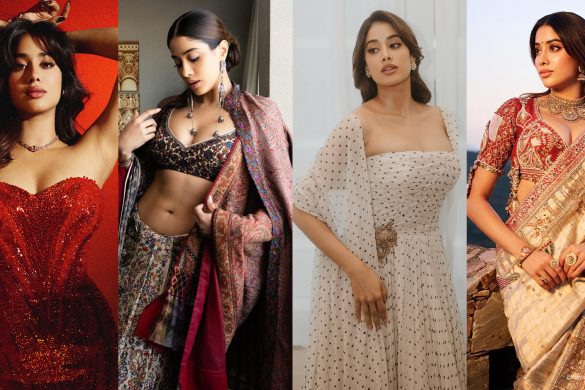
- Designer Application: This is a favorite for evening wear. If you are looking for a bridal corset lehenga, chances are the base fabric utilizes a satin weave to give it that rich, royal finish. Designers like Mahima Mahajan often use fluid satin weaves for flowy skirts and capes.
Complex and Decorative Weaves
Beyond the basics, the world of weaving gets intricate. These techniques add texture and pattern directly into the cloth.
4. Jacquard Weave: Woven Artistry
Named after Joseph Marie Jacquard, this weave allows complex patterns (florals, damasks, brocades) to be woven directly into the fabric rather than printed on top. It requires a special loom that controls individual warp threads.
- The Vibe: Opulent, textured, and heavy.
- Best For: Wedding lehengas, sherwanis, and upholstery.
- Spotlight: Arihant Rai Sinha creates stunning pieces where the pattern is integral to the fabric structure, offering a depth that prints just can't match.
5. Dobby Weave: Subtle Geometrics
Think of Dobby as Jacquard’s younger, simpler sibling. It produces small, geometric patterns (like dots or small diamonds) woven into the fabric. It adds texture without being overwhelming.
- The Vibe: Smart, understated, and professional.
- Best For: Men’s shirts, summer dresses, and textured lining.
6. Basket Weave: The Chunky Texture
A variation of the plain weave, but instead of one thread over one, it groups threads together (two over two, or three over three). It looks like a woven basket—hence the name.
- The Vibe: Rustic, breathable, and loose.
- Best For: Oxford shirts and monk cloth. It’s less durable than a tight plain weave but offers great breathability for hot Indian summers.
7. Leno Weave: The Open Mesh
In this clever technique, two warp threads twist around the weft threads. This locks the threads in place, allowing for an open, lace-like structure that won’t fall apart.
- The Vibe: Airy and sheer.
- Best For: Veils, mosquito netting, and mesh details on activewear or edgy blouses.
8. Pile Weave: The Soft Touch
This weave creates a 3D surface. Extra threads are woven into the base and then cut (like velvet) or left as loops (like terry cloth towels).
- The Vibe: Plush, warm, and luxurious.
- Best For: Velvet lehengas and corduroy jackets. Winter collections from designers like Aariyana Couture frequently feature velvet pile weaves for that regal, heavy drape suitable for cold-weather weddings.
How to Choose the Right Weave for the Occasion
Selecting the right outfit involves more than just liking the color. Here is a quick cheat sheet for matching weaves to occasions:
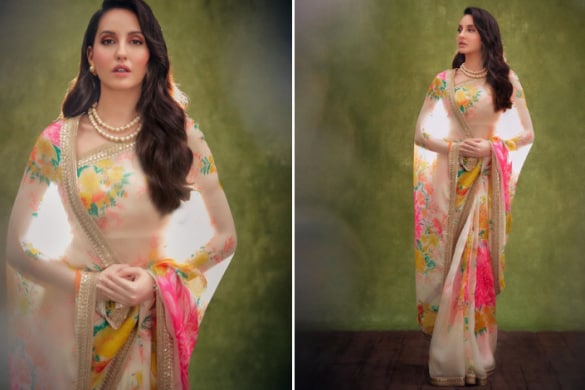
- The Summer Wedding: Go for Plain Weaves like organza or chiffon. They breathe well and look ethereal. A floral organza saree is a timeless choice.
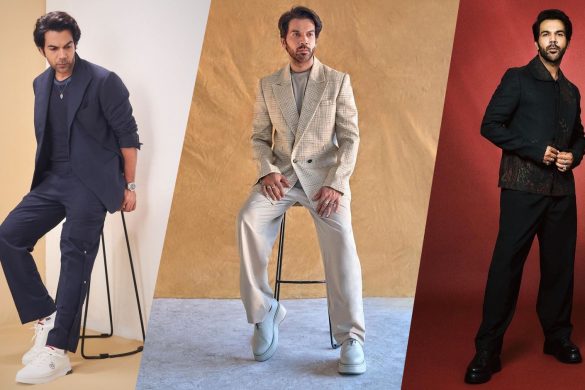
- The Corporate Power Meeting: Stick to Twill. A structured blazer or trousers in a twill weave communicates professionalism and holds its shape throughout a long day.
- The Cocktail Party: Embrace Satin. A slip dress or a saree gown in a satin weave catches the dim evening light beautifully.
- The Winter Gala: Jacquard or Velvet (Pile) is your best bet. These heavier weaves provide warmth and look incredibly expensive.
- Casual Brunch: Basket Weave (Oxford cloth) or Dobby adds interest to a casual outfit without looking like you tried too hard.
Caring for Different Weaves
Your fabric care should depend on the weave as much as the fiber.
- Satin: Handle with care! Sharp jewelry can snag the long floating threads. Always dry clean or hand wash gently.
- Jacquard: Never iron directly on the raised texture; it can flatten the design. Steam is safer.
- Plain Weave: Generally sturdy, but lightweight versions like chiffon can tear.
- Twill: The workhorse of weaves. It can usually take a machine wash (unless it’s wool).
Aza Fashions: Where Craftsmanship Meets Style
At Aza Fashions, we understand that true luxury lies in the details. The designers we curate are masters of their craft, selecting the perfect weaves to enhance every silhouette.
Whether you are admiring the intricate brocades of Paulmi and Harsh or the fluid crepes used by Soup by Sougat Paul, you are witnessing the result of centuries of weaving innovation.
When you shop online with us, you aren't just buying clothes; you're investing in textile art. We bring the best of Indian craftsmanship to the USA, UK, and beyond, ensuring you have access to authentic, high-quality designer wear.
Final Thoughts: Read the Fabric
Next time you are scrolling through a collection or touching a garment in a store, take a second to look closer. Is it a smooth satin? A diagonal twill? A complex jacquard? Understanding the weave connects you to the garment's story and helps you appreciate why it fits and feels the way it does.
Fashion is a fabric-first industry. By knowing your weaves, you elevate your style game from "just looking good" to "truly understanding fashion.