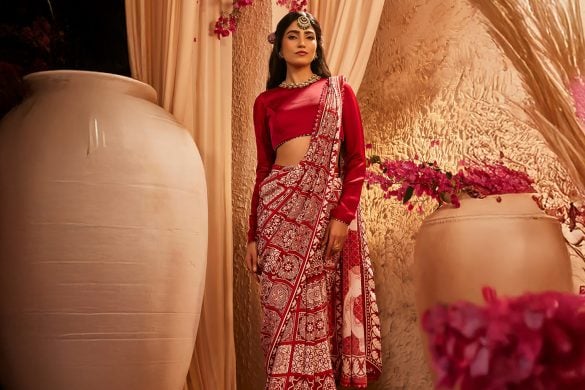
 Imagine wearing a fabric so light it was once described as "woven air." That is the magic of Chanderi. Originating from a small town in Madhya Pradesh, India, Chanderi sarees have been the preferred attire of royalty for centuries. Known for their sheer texture, lightweight feel, and glossy transparency, these sarees are a masterclass in understated elegance. Whether you are attending a summer wedding in Delhi, a formal dinner in London, or a cultural gala in New York, a Chanderi saree is a sophisticated choice that transcends borders. It is not just a garment; it is a piece of history that feels as modern today as it did during the Mughal era. If you are looking to invest in this timeless weave, it helps to know your options. From the luxurious sheen of pure silk to the comfortable breathability of cotton, Chanderi comes in beautiful variations. In this guide, we will unravel the different types of Chanderi sarees, how to style them, and why they remain a staple in every discerning woman's wardrobe.
The Magic of the Chanderi Weave
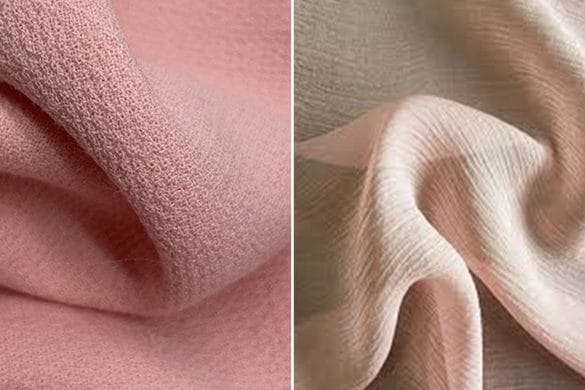
What makes a Chanderi saree instantly recognizable? It’s the sheer texture and the signature motifs. Traditional weavers use a unique technique where the motifs—often inspired by nature (floral art, peacocks) or celestial bodies (gold coins, geometric patterns)—are hand-woven into the fabric using gold or silver zari. This intricate craftsmanship results in a fabric that is glossy yet sheer, festive yet comfortable. For those browsing designer clothes for women, Chanderi offers a perfect balance of traditional artistry and contemporary wearability.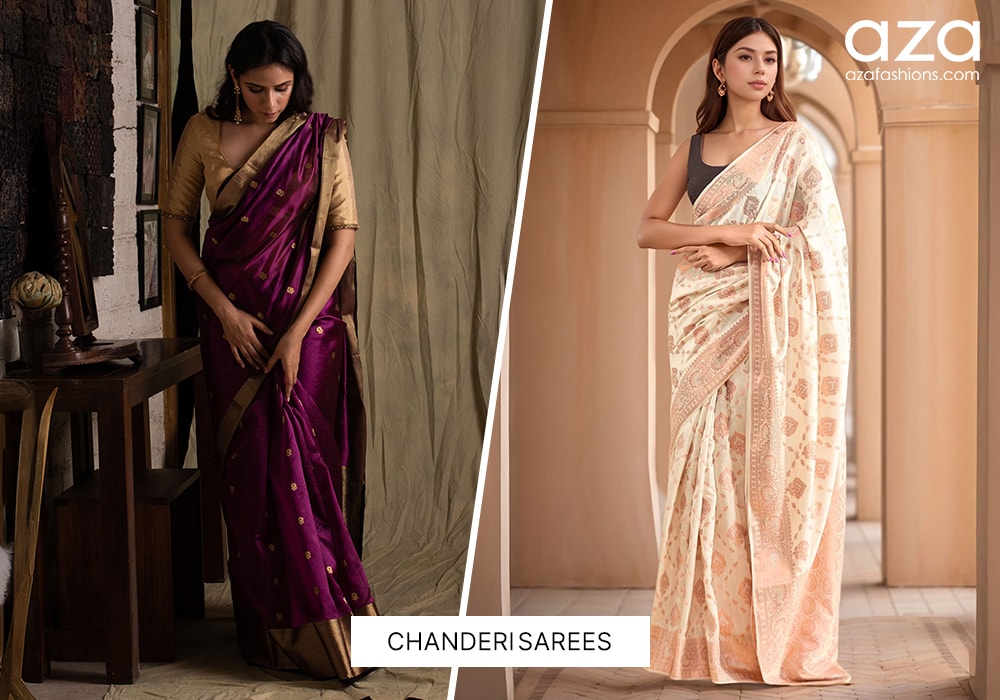
Exploring the Types of Chanderi Sarees
Chanderi sarees are generally classified based on the fabric blend used in the warp and weft. Each type offers a different drape, feel, and occasion suitability.1. Silk Chanderi Sarees (Pure Silk)
This is the most luxurious variant. In a pure silk Chanderi saree, both the warp and weft are woven with silk threads. The result is a saree with a rich, lustrous sheen that catches the light beautifully.- The Look & Feel: It is soft, glossy, and has a fluid drape. It feels incredibly smooth against the skin.
- Best For: Weddings, evening receptions, and festive celebrations. The natural shine of the silk makes it perfect for events where you want to look glamorous.
- Styling Tip: Since the fabric already has a sheen, pair it with matte gold or antique temple jewelry to create a balanced look. A contrasting silk blouse adds depth to the outfit.
2. Cotton Chanderi Sarees
For those who love the Chanderi weave but need something breathable for hot climates, the cotton Chanderi is a savior. Here, traditional cotton yarn is used for both the warp and weft.- The Look & Feel: It has a matte finish and is slightly stiffer than its silk counterpart, which helps it hold pleats beautifully. It is incredibly airy and comfortable.
- Best For: Office wear, corporate meetings, and daytime events. It communicates elegance without being overly flashy.
- Styling Tip: Accessorize with oxidized silver jewelry or chunky beads for a boho-chic vibe. A cotton Chanderi saree paired with a smart boat-neck blouse is a power-dressing staple for Indian summers.
3. Silk-Cotton Chanderi Sarees
This is perhaps the most popular and versatile type. As the name suggests, it is a blend where silk is used in the warp and cotton in the weft (or vice versa). This blend gives you the best of both worlds: the shine of silk and the comfort of cotton.- The Look & Feel: It has a subtle sheen—less than pure silk but more than pure cotton. The fabric is durable, easy to drape, and maintains a crisp structure.
- Best For: Puja ceremonies, family gatherings, and semi-formal parties. It is versatile enough to transition from day to night.
- Styling Tip: This versatile fabric works well with almost any jewelry. Try a pearl necklace for a sophisticated daytime look or Kundan earrings for an evening affair.
4. Designer Chanderi Sarees
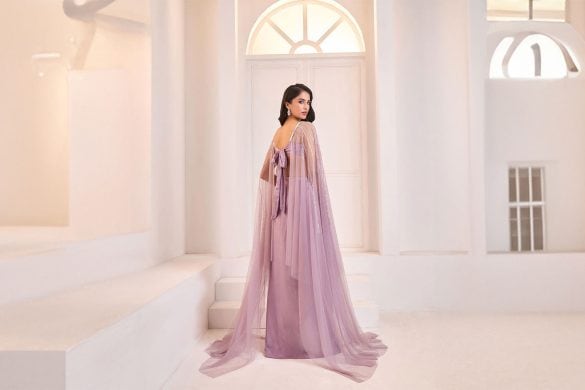
Modern designers have fallen in love with Chanderi, reimagining it for the contemporary woman. These aren't just about the traditional weave; they are about innovative prints, modern motifs, and fusion silhouettes.- The Look & Feel: Expect the unexpected. You might find digital prints on a Chanderi base, scalloped borders, or pre-draped concepts. Designers often experiment with color palettes, moving beyond traditional pastels to bold neons and blacks.
- Designer Spotlight: Brands like Sabyasachi and Masaba often incorporate Chanderi into their collections, blending heritage techniques with modern aesthetics.
- Best For: Cocktail parties and fashion-forward events. If you are a bride looking for a lighter alternative to a heavy lehenga for your pre-wedding functions, a designer Chanderi saree is a chic choice. It offers the same level of detail as a bridal corset lehenga but with much more freedom of movement.
Key Motifs to Look Out For
Part of the charm of a Chanderi saree lies in its motifs (called buttis).- Ashrafi Butti: The gold coin motif, a symbol of royalty and prosperity.
- Jangla: An intricate pattern of intertwining creepers and flowers.
- Meenakari: Where the motifs are woven with colored silk threads along with zari, creating a jewel-like effect.
- Geometric Patterns: Modern Chanderi sarees often feature stripes, checks, and chevrons for a contemporary appeal.
How to Style Your Chanderi Saree
Chanderi is deceptively simple, which means how you style it defines the final look. For a Traditional Look: Lean into the heritage vibe. Wear a silk-cotton Chanderi in a deep jewel tone like emerald green or royal blue. Pair it with a brocade blouse and traditional gold jewelry. A gajra (flower garland) in your hair completes the classic Indian aesthetic. For a Modern, Edgy Look: Choose a Chanderi saree in a pastel shade or with a modern geometric print. Skip the traditional blouse and opt for a crop top, a shirt-style blouse, or even a corset. Cinch the waist with a metallic belt to add structure. This fusion look is perfect for designers like Soup by Sougat Paul, who love mixing silhouettes. For the Office: Stick to cotton Chanderi in neutral tones like beige, ivory, or soft grey. Pair it with a high-neck, elbow-sleeve blouse. Keep jewelry minimal—a watch and small studs are enough. The crispness of the saree commands respect and looks incredibly professional.Caring for Your Chanderi Saree
Because of its sheer texture and fine weave, Chanderi requires gentle care to last a lifetime.- Dry Clean Recommended: Especially for silk and silk-cotton blends. The zari work can tarnish if washed with harsh detergents.
- Avoid Direct Sunlight: Dry the saree in the shade to prevent the colors from fading.
- Store Properly: Wrap the saree in a muslin cloth or a soft cotton bag. Change the fold every few months to prevent the creases from becoming permanent and tearing the fabric.
- Iron with Care: Always iron on a low heat setting, preferably with a cloth layer between the iron and the saree.
Why Buy Chanderi from Aza Fashions?
In a market flooded with machine-made replicas, finding authentic handloom Chanderi can be a challenge. At Aza Fashions, we are committed to preserving the integrity of Indian craftsmanship. We curate collections from India's finest designers who work directly with weaving clusters to bring you authentic, high-quality pieces. Whether you are looking for the intricate detailing of Arihant Rai Sinha or the vibrant, youthful designs of Paulmi and Harsh, our platform offers a diverse range of Chanderi sarees that cater to every taste. Shopping online with us ensures you get a piece of luxury delivered right to your doorstep, whether you reside in the USA, UK, or India.Final Thoughts: The Timeless Appeal
Trends come and go, but the elegance of a Chanderi saree is eternal. It is a fabric that whispers rather than shouts. It celebrates the wearer, draping them in a layer of sheer sophistication. Whether you are a collector of handlooms or buying your very first saree, a Chanderi is an investment you will never regret. It is versatile, comfortable, and undeniably beautiful—a true jewel of Indian textiles. Aza Editorial brings you expert fashion guides, styling tips, and trend insights to help you stay ahead. Explore more of our style guides below:- Types of Salwar Suits
- Types of Blouse for Lehenga
- Types of Printed Fabrics Guide
- Types of Silk Sarees
- Types of Organza Sarees