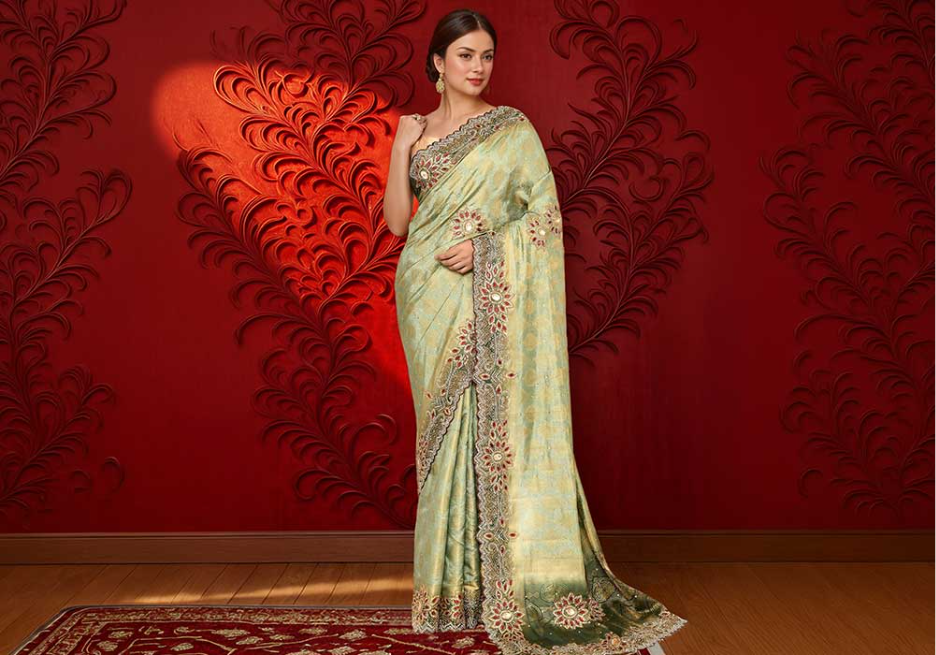
Imagine a piece of fabric so rich in history and beauty that it feels like wearing a piece of art. That is the essence of a Kanjeevaram saree. Often hailed as the "Queen of Silks," this iconic garment is a symbol of South Indian culture, divine craftsmanship, and timeless elegance.
Whether you are a bride-to-be, a fashion enthusiast, or someone discovering the world of Indian ethnic wear, the Kanjeevaram saree commands attention. It is not just clothing; it is an heirloom passed down from grandmothers to mothers to daughters. But what exactly makes it so special? Why does it hold such a revered spot in the world of fashion?
In this guide, we will unravel the magic behind the Kanjeevaram saree, exploring its origins, unique features, and why it remains a must-have in every wardrobe.
A Tale Woven in History: The Origins
To understand the Kanjeevaram saree, we must travel to the temple town of Kanchipuram in Tamil Nadu, India. This ancient town is not only famous for its spiritual significance but also for its weaving legacy that dates back over 400 years.
Legend has it that the weavers of Kanchipuram are descendants of Sage Markandeya, who was known as the master weaver for the Gods. Historically, these sarees were woven exclusively for deities in temples and royals. Over centuries, the craft evolved, but the sanctity and dedication to quality remained unchanged. Today, owning a genuine Kanchipuram silk saree is akin to owning a piece of this divine history.
The Anatomy of Perfection: Key Features
You might wonder, "What makes a Kanjeevaram different from other silk sarees?" The answer lies in its unique construction and materials. It is renowned for its durability, weight, and unmatched sheen.
Pure Mulberry Silk
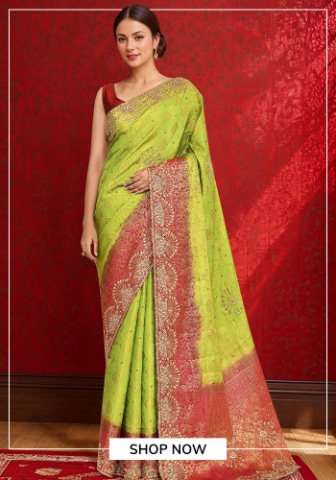
The foundation of a Kanjeevaram saree is pure mulberry silk. The silk threads used are sourced from South India and are known for their superior quality. Before weaving, the silk threads are dipped in rice water and sun-dried, which increases their thickness and stiffness. This process gives the saree its characteristic heavy drape and rich texture.
The Korvai Weaving Technique
One of the most fascinating aspects is the "Korvai" technique. In a traditional Kanjeevaram saree, the body and the border are woven separately and then interlocked together. This joint is so strong that even if the saree tears (which is rare), the border will not detach. This technique allows for the signature contrasting colors—think of a vibrant mango-yellow body with a deep maroon border.
Zari: The Golden Touch
Real silver and gold threads, known as Zari, are woven into the silk to create intricate patterns. Authentic Kanjeevaram sarees use pure silver wire coated with gold, adding a metallic luster that never fades. The shimmer of the Zari against the deep silk colors is what gives these sarees their royal appearance.
Designs That Tell a Story
The motifs found on these sarees are not random; they are deeply rooted in culture and nature. The weavers draw inspiration from the temple architecture and the natural world surrounding Kanchipuram.
- Temple Borders: Triangular designs that mimic the gopurams (towers) of South Indian temples.
- Nature Motifs: Peacocks (symbolizing royalty), parrots (symbolizing love), and elephants (symbolizing strength) are common.
- The Mallinagpu: A Jasmine bud design that represents elegance.
- Checks and Stripes: Classic geometric patterns, often called Palum Pazhamum (checks in vivid colors), are timeless favorites.
When to Wear a Kanjeevaram Saree
Because of its richness and grandeur, a Kanjeevaram saree is reserved for special moments. It is the ultimate attire for celebrations.
- Weddings: In South India, a Kanjeevaram is the quintessential bridal outfit. Brides often wear red, gold, or green sarees adorned with heavy Zari work.
- Festivals: For occasions like Diwali, Pongal, or Navratri, a lighter Kanjeevaram in bright colors fits the festive mood perfectly.
- Cultural Ceremonies: From housewarmings to naming ceremonies, the dignity and grace of this saree make it the perfect choice.
How to Identify an Authentic Kanjeevaram
With popularity comes imitation. To ensure you are buying the real deal, look for the "Silk Mark" label, which certifies pure silk. Additionally, check the reverse side of the border. If the design looks the same on the back as it does on the front, it is likely a genuine handwoven piece. The weight is another giveaway; authentic Kanjeevaram sarees are heavier due to the quality of silk and Zari used.
Conclusion: A Timeless Investment
A Kanjeevaram saree is more than just six yards of fabric. It is a masterpiece of endurance, art, and tradition. Its ability to look regal and remain durable for decades makes it a worthy investment for any woman who values elegance.
If you are looking to add this royal garment to your collection, Aza Fashions offers a curated selection of exquisite Kanjeevaram sarees that blend traditional artistry with modern sensibilities. Whether you choose it for your wedding day or to celebrate a festival, draping a Kanjeevaram is an experience of pure luxury.