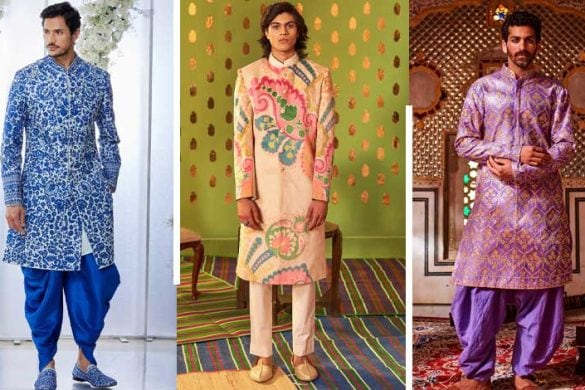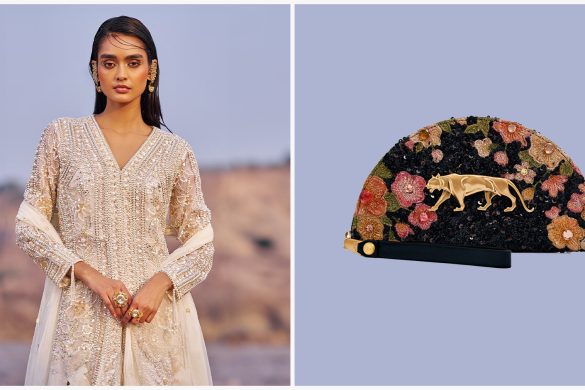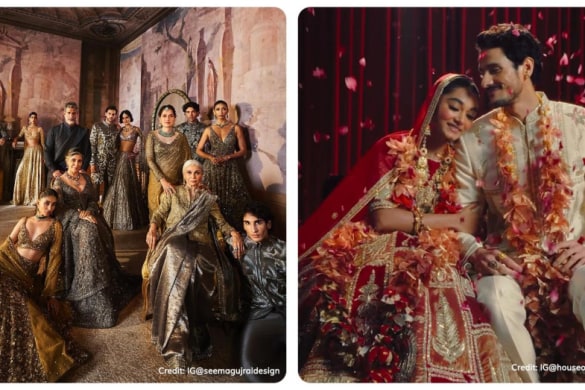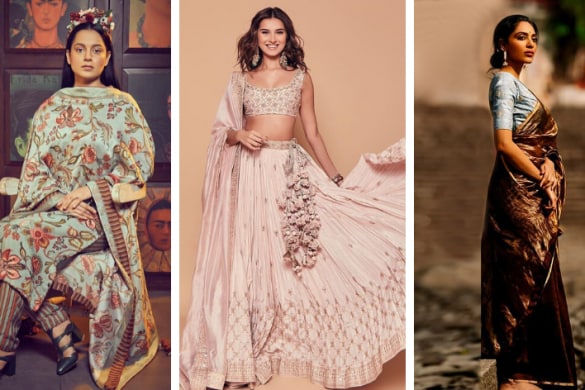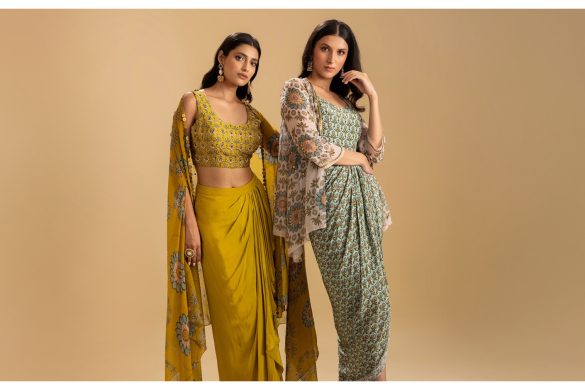
For a Hindu wedding ceremony in America, guests should wear traditional Indian attire—a saree, lehenga, salwar suit for women, or a kurta, sherwani, or Nehru jacket for men. Choose rich colors like red, emerald, royal blue, or gold, and avoid all-white and all-black. Cover your shoulders during the ceremony, keep a scarf handy in case head-covering is expected, and pick a comfortable outfit if you'll be seated on the floor. The "traditional" dress code applies most strictly to the main ceremony.
A Hindu wedding unfolds across several rituals, each with its own energy and its own outfit logic. If you're a guest—desi or not—here's how to dress right from the first drumbeat to the last dance.
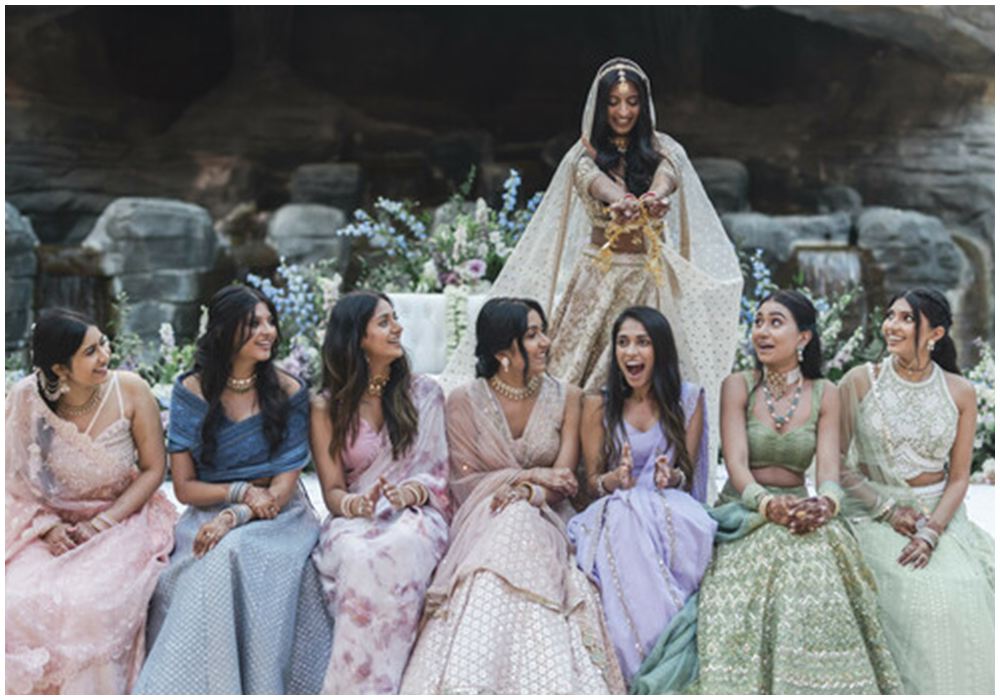
Baraat: The Groom's Procession
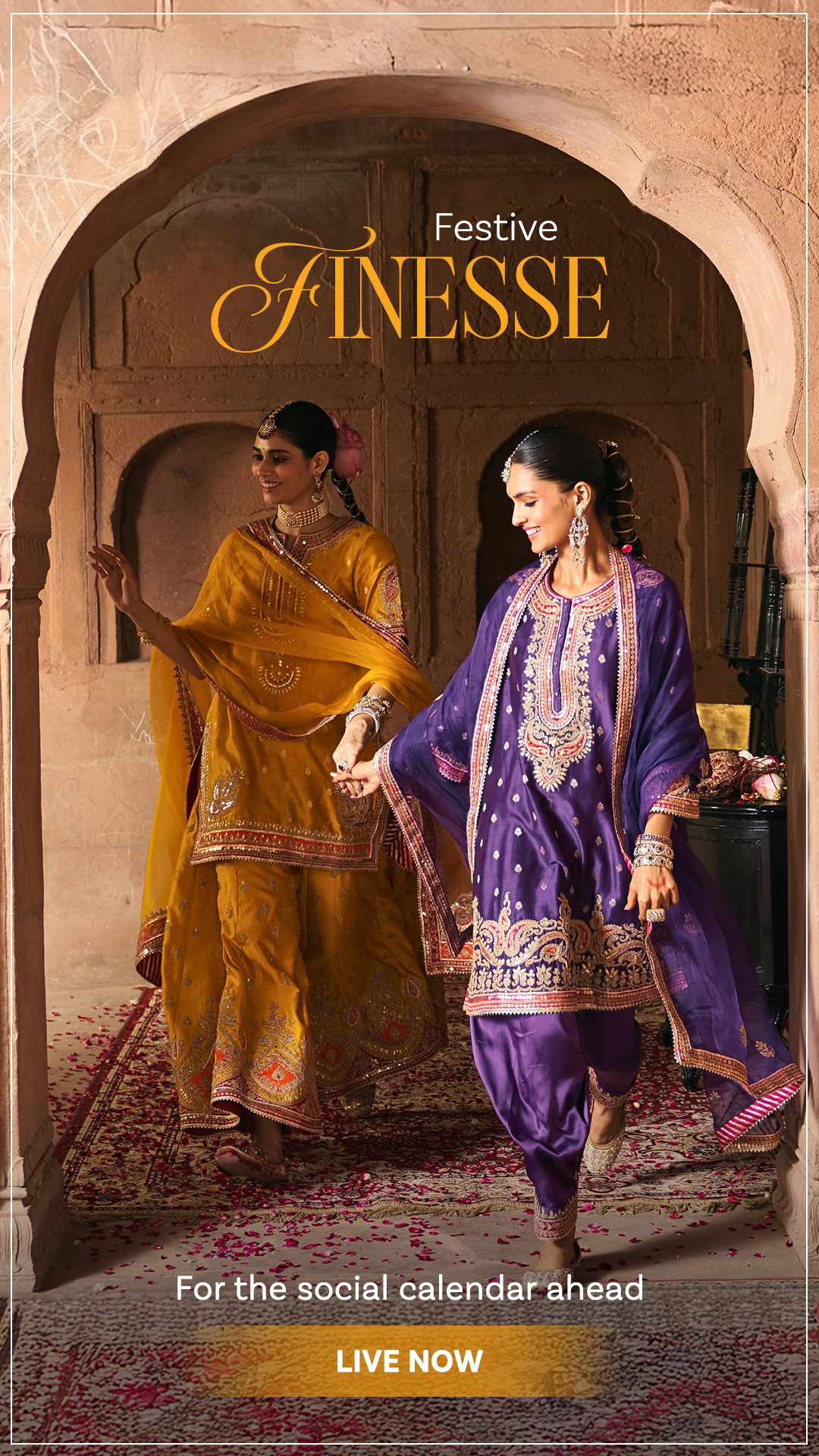
The baraat is a high-energy street procession with music and dancing. Wear something festive you can move in—a lehenga, an Anarkali, or a kurta set. Bright colors fit the celebratory mood, and comfortable shoes matter since you may be dancing outdoors.
Ganesh Puja and the Main Ceremony
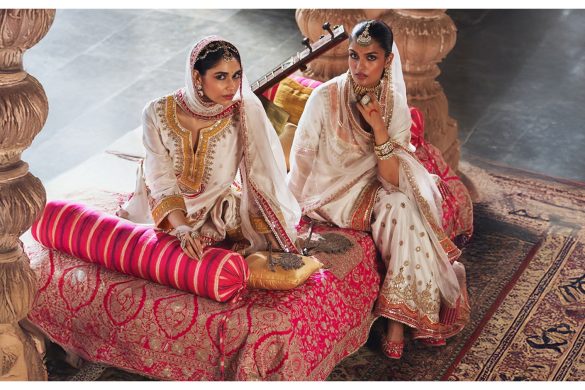
The ceremony is the most traditional moment, so lean into full Indian ethnic wear. Women look beautiful in a silk saree or embroidered lehenga; men suit a kurta pyjama, sherwani, or bandhgala. Jewel tones and gold detailing photograph wonderfully here.
Cover your shoulders during the ceremony, and if it takes place at a temple, keep a dupatta or scarf ready in case head-covering is expected. When unsure, a quick question to your host clears things up. For more on decoding invite terms, see our Indian wedding dress codes decoded guide.
Pheras: The Seven Vows
The pheras—the couple's seven circles around the sacred fire—are the heart of the ceremony. This portion is often seated on the floor, so choose an outfit that lets you sit comfortably and get up gracefully. A structured lehenga or a well-fitted salwar suit works better than a tight or restrictive silhouette. Skip sky-high heels; flats or block heels are far more practical.
Reception: The Flexible Finale
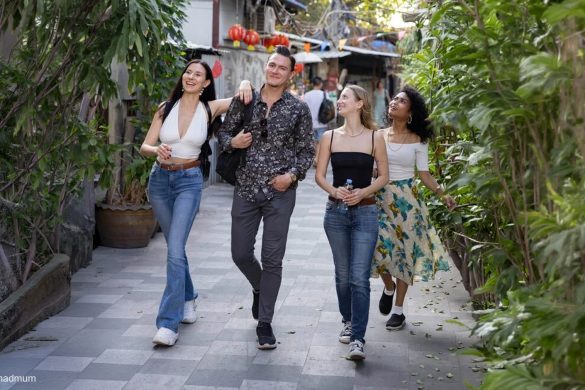
The reception loosens up. An Indo-Western outfit, a saree gown, or a rich cocktail dress all fit beautifully under evening lighting. This is your moment to be a little more fashion-forward.
What Colors to Wear—and What to Avoid
Reach for festive, celebratory shades: deep red, emerald green, royal blue, magenta, gold, and other jewel tones. Two colors to skip:
- All-white—linked to mourning in many Hindu households.
- All-black—considered inauspicious by more traditional families.
A small black or white accent is fine; a head-to-toe base of either isn't ideal.
Practical Tips for Guests
- Dress for floor seating. Choose fabrics and cuts that allow easy movement.
- Bring a scarf. Useful for shoulder or head coverage inside a temple.
- Wear easy footwear. Shoes often come off at the entrance—pick styles you can slip on and off.
- Ask your host. Families vary, and a quick check saves any awkwardness.
If this is your first Hindu wedding, our non-desi guest guide walks through each function in detail.
Frequently Asked Questions
Do I need to cover my head at a Hindu wedding ceremony?
Not always, but some temples and traditional families expect it. Bring a dupatta or scarf so you're ready if head-covering is requested.
What should women wear to a Hindu ceremony?
A saree, lehenga, or salwar suit in a rich color like red, emerald, or royal blue. Cover your shoulders for the ceremony itself.
Can men wear a suit to a Hindu wedding?
Yes, especially at the reception. For the ceremony, a kurta, sherwani, or Nehru jacket feels more in keeping with the "traditional" dress code.
Is there shoe etiquette at Hindu temples?
Yes. Shoes are usually removed at the entrance, so wear footwear that's easy to slip on and off, and expect to walk barefoot inside.