Have you ever draped a fabric so light it feels like a gentle breeze against your skin? This delicate, almost translucent beauty is the hallmark of Chanderi, a legendary textile hailing from the historic town of Chanderi in Madhya Pradesh. For centuries, this sheer fabric has graced the royal courts of India, celebrated for its luxurious feel and subtle shimmer.

Originally favored by queens and noblewomen, Chanderi has beautifully transitioned into the closets of global fashion enthusiasts. Leading designers continually reimagine its classic motifs, transforming this traditional handloom into breathtaking modern silhouettes. In this comprehensive guide, we will explore the deep cultural roots of Chanderi and uncover the meticulous weaving process behind its creation. We will also show you how Aza Fashions brings this timeless craft into your contemporary wardrobe.
What is Chanderi? A Glimpse into Royalty
Chanderi is a traditional ethnic fabric characterized by its lightweight, sheer texture and fine luxurious feel. Artisans create this unique textile by weaving silk and golden zari into traditional cotton yarn. The resulting fabric boasts a distinctive shimmer that catches the light beautifully, making it a highly sought-after material for festive and formal wear.
Historians trace the origins of this fabric back to the Vedic period, with Indian mythology suggesting that Lord Krishna's cousin, Shishupal, introduced it. However, the craft truly flourished during the Mughal era. Rulers of the time were captivated by the fabric's sheer elegance and commissioned local weavers to create elaborate garments. When you wear a piece of Chanderi, you embrace a rich textile heritage that has survived for generations.
The Cultural Significance in Madhya Pradesh
In the heart of Madhya Pradesh, the town of Chanderi beats to the rhythm of the handloom. For the local artisan community, weaving is not just a profession; it is a sacred tradition passed down through families. Children grow up watching their parents and grandparents work the looms, learning the intricate techniques required to produce this magical fabric.
The motifs woven into the fabric carry deep cultural meanings, drawing heavy inspiration from the region's natural beauty and historic architecture. You will frequently see delicate floral patterns, peacocks, geometric shapes, and traditional coin motifs. These designs do not just decorate the fabric; they tell stories of the region's vibrant history and the weaver's personal artistry.
Chanderi holds a special place in Indian culture due to its versatility. The fabric provides relief during the intense Indian summers while maintaining an aura of undeniable elegance. It remains a mandatory element in festive wardrobes, bridal trousseaus, and religious ceremonies across the country.
The Intricate Handloom Weaving Process
Creating an authentic Chanderi garment demands immense skill, precision, and unwavering patience. The process remains almost entirely manual, ensuring that no two pieces of fabric are ever exactly identical. Crafting a heavily detailed Chanderi saree can take several weeks of dedicated labor.
Sourcing and Preparing the Yarn
The journey of this exquisite fabric begins with selecting the finest raw materials. Weavers use three primary components: raw silk, cotton yarn, and metallic zari threads. First, the artisans wash and treat the raw yarn to remove any impurities. They then dye the yarn using vibrant, rich colors. While they traditionally used natural dyes extracted from flowers and roots, modern weavers also utilize high-quality synthetic dyes to achieve a wider spectrum of colors.
Warping and Setting the Loom
Once the yarn dries, the meticulous process of warping begins. Artisans stretch the threads tightly across a wooden frame, preparing them for the loom. They must ensure the tension is perfectly even, as any inconsistency can ruin the final texture of the fabric. Setting up the loom is a complex task that requires mathematical precision and a sharp eye for detail.
The Art of Weaving
With the loom prepared, the actual weaving commences. The artisan uses a shuttle to pass the horizontal threads (weft) through the vertical threads (warp). What makes Chanderi unique is the use of untwisted yarn. Weavers do not treat the yarn with glue or starch to bind it together. This specific technique prevents the yarn from breaking and gives the final fabric its signature transparency and delicate texture.
Weaving the Motifs
Adding the motifs, known as butis, is perhaps the most challenging part of the process. The weaver manually inserts extra weft threads, usually made of gold or silver zari, to create the intricate designs. They do this without the use of an automated jacquard machine, relying entirely on their memory and skill. They carefully interlock the metallic threads with the base fabric, creating beautiful floral or geometric patterns that appear to float on the sheer material.
The Evolution of Chanderi in Modern Fashion
Fashion constantly seeks inspiration from heritage crafts to create the trends of tomorrow. While traditional Chanderi sarees remain incredibly popular, modern designers have completely revitalized this centuries-old handloom. They have pushed the boundaries of what this sheer fabric can achieve in the modern era.
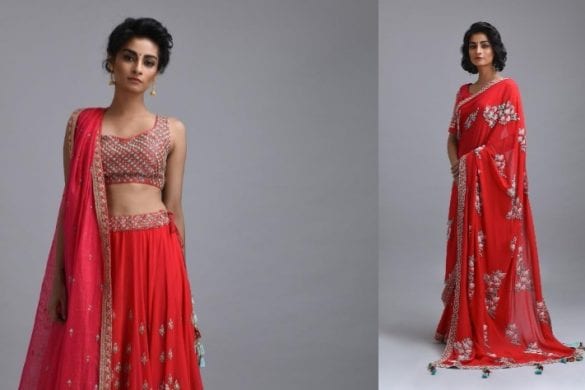
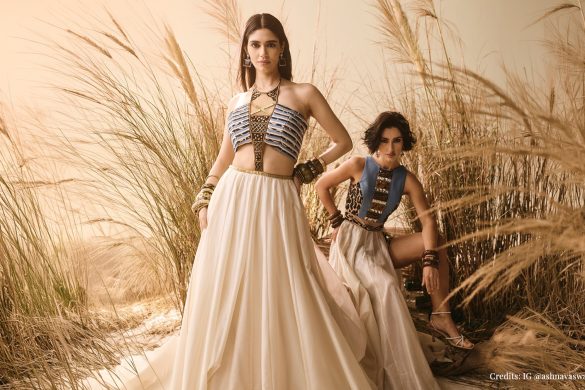
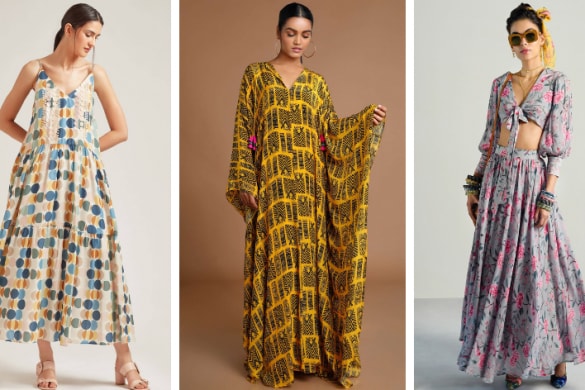
Today, you can find Chanderi applied to almost any silhouette imaginable. Designers use it to craft structured blazers, flowy western gowns, chic co-ord sets, and modern pre-draped sarees. The lightweight nature of the fabric makes it perfect for creating voluminous layers without adding unnecessary bulk.
Contemporary creators often elevate the simple handloom by combining it with other luxurious elements. They frequently embellish Chanderi outfits with sparkling sequins, delicate pearl work, or heavy zardozi embroidery. This brilliant fusion of traditional weaving with glamorous accents makes the fabric a favorite choice for grand weddings and high-profile red carpet events.
Discover Contemporary Chanderi at Aza Fashions
At Aza Fashions, we proudly champion the rich legacy of Indian handcrafts while curating the best in modern luxury wear. We know our clients seek clothing that honors traditional artistry but fits seamlessly into their dynamic lifestyles. Our collections perfectly bridge the gap between heritage textiles and modern aesthetics.
We host a curated selection of India's top designers who masterfully blend Chanderi into their latest collections. Whether you want a heavily embroidered Chanderi lehenga for a destination wedding or a lightweight, breezy tunic for a weekend brunch, Aza Fashions has you covered. We partner directly with designers who prioritize ethical craftsmanship, ensuring that your purchase helps sustain the talented artisan communities in Madhya Pradesh.
By offering this classic textile in modern cuts, premium blends, and striking color palettes, Aza Fashions makes this delicate art form accessible to everyone. We want you to experience the unmatched luxury of wearing authentic, designer handlooms.
How to Style Chanderi for Any Occasion
Adding Chanderi to your wardrobe brings an instant touch of regal elegance to any look. The versatility and breathability of this fabric make it incredibly easy to style for various occasions. Here are some actionable tips for styling your favorite pieces.
For Grand Weddings and Receptions
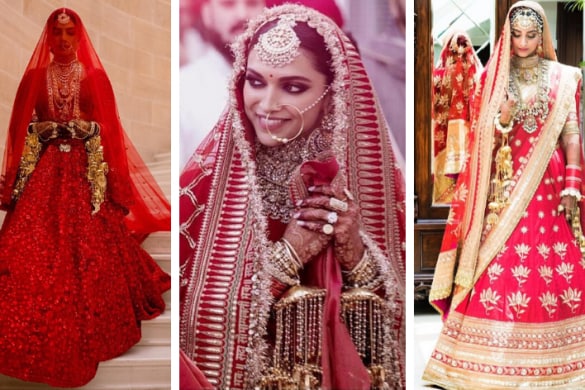
When attending a formal evening event or a wedding reception, choose a rich silk-blend Chanderi lehenga or an Anarkali suit. Opt for deep, regal colors like midnight blue, emerald green, or classic ruby red. Look for pieces featuring heavy zari borders or intricate zardozi embroidery. Pair your ensemble with statement Polki or Kundan jewelry to amplify the royal aesthetic. Keep your hair pulled back in a sleek bun to let the shimmering fabric take center stage.
For Daytime Festivities and Poojas
Events like Haldi ceremonies, Poojas, or daytime engagements call for an airy, elegant aesthetic. A pastel Chanderi saree or a classic straight-cut suit works perfectly here. Soft pinks, mint greens, and powder blues enhance the sheer, delicate nature of the fabric. Accessorize with traditional silver oxidized jhumkas and comfortable embroidered mojaris to complete the perfect traditional daytime look.
For Workwear and Everyday Elegance
You do not need a special occasion to enjoy this beautiful craft. A short Chanderi cotton kurti pairs flawlessly with your favorite tailored trousers or blue denim jeans for a chic office look. You can also layer a sheer Chanderi cape or jacket over a simple slip dress for an effortless fusion outfit. Add some minimal gold jewelry and a structured tote bag, and you have a highly sophisticated everyday ensemble.
Embrace the Magic of Indian Handlooms
Chanderi serves as a beautiful reminder of the incredible skill, dedication, and patience of Indian weavers. Every yard of this sheer fabric tells a story of royal history and meticulous craftsmanship. By understanding the effort that goes into weaving every single thread, we can truly appreciate the luxury of this heritage textile.
Are you ready to elevate your wardrobe with the sophisticated charm of this woven magic? Explore the exclusive designer Chanderi collections at Aza Fashions today. Discover your next favorite outfit and help keep this beautiful tradition alive in your personal style journey.