Japan is a beautiful mix of tradition, modern style, busy cities, quiet temples, scenic gardens, and charming neighborhoods. Whether you are walking through Tokyo, visiting shrines in Kyoto, staying at a ryokan, or exploring mountain towns, your outfits should be comfortable, neat, and easy to layer.
Local style in Japan often feels polished and modest. Many people choose outfits that cover the shoulders, midriff, and cleavage. You do not need to dress formally, but clean, simple, and respectful clothing will help you feel comfortable in most settings.
Here is a simple Aza Fashions guide on what to wear in Japan.
General Style Tips for Japan
Japan is a place where neat dressing is appreciated. Travelers should focus on clothes that are comfortable for long walking days but still look put together.
A good Japan travel outfit should be:
- Comfortable for walking
- Neat and polished
- Easy to layer
- Modest in public spaces
- Suitable for temples, shrines, and restaurants
- Simple to mix and match
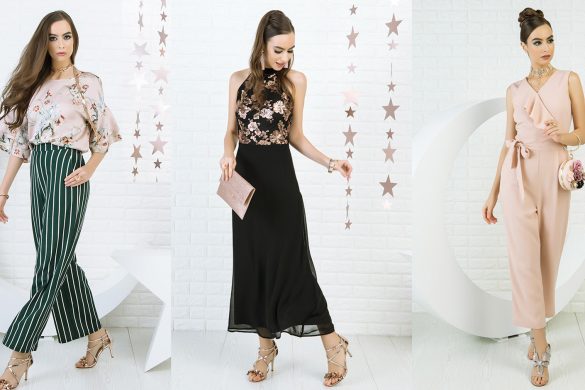
Try to avoid very low-cut tops, crop tops, very short skirts, and outfits that feel too revealing. Midi dresses, maxi skirts, tailored trousers, loose blouses, cardigans, and clean shirts are easy choices.
Cultural Dress Guidelines
Japan is modern and fashion-forward, but modesty is still common in everyday dressing. Many locals prefer clothing that is stylish without showing too much skin.
Good options include:
- Midi or maxi skirts
- Loose-fitting blouses
- Tailored trousers
- Wide-leg pants
- Shirt dresses
- Lightweight cardigans
- Simple t-shirts with sleeves
- Long-sleeve tops in cooler months
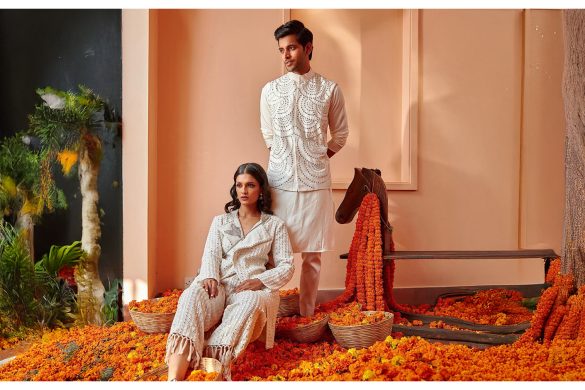
For women, dresses and skirts are easy to wear, but choose lengths that feel comfortable and modest. For men, clean t-shirts, collared shirts, chinos, jeans, and lightweight jackets work well.
If you plan to visit temples, shrines, or traditional places, dress neatly and avoid overly casual beachwear or revealing clothing.
Footwear Matters in Japan
You will walk a lot in Japan. It is common to walk thousands of steps each day, especially in cities like Tokyo, Kyoto, Osaka, and Hiroshima. Comfortable shoes are very important.
Choose shoes that are:
- Supportive
- Comfortable for long walks
- Easy to slip on and off
- Already broken in
- Neat and clean
Good footwear options include:
- Comfortable sneakers
- Slip-on walking shoes
- Loafers
- Ballet flats with support
- Low ankle boots in cooler months
- Supportive sandals in summer
You may need to remove your shoes at temples, shrines, traditional inns called ryokan, and some restaurants with tatami floors. This is why slip-on-friendly shoes are so useful.
Avoid shoes with complicated straps or laces if you will be visiting many traditional places in one day.
Clean Socks Are Essential
Socks are easy to forget, but they are very important in Japan. Since you may remove your shoes often, always wear or carry clean socks.
Pack:
- Clean everyday socks
- Thin socks for summer
- Warm socks for winter
- No-show socks for flats or sneakers
- Extra socks in your day bag
If you are wearing sandals, it is still smart to keep a pair of socks in your bag for places where shoes must be removed.
Fresh, clean socks help you feel prepared and respectful in traditional spaces.
What to Wear in Japan in Spring
Spring in Japan runs from March to May. It is one of the most popular times to visit, especially during cherry blossom season. The weather can change during the day, so layers are important.
Pack for spring:
- Light base layers
- Cotton tops
- Long-sleeve shirts
- Cardigans
- A stylish trench coat
- A light leather jacket
- Jeans or trousers
- Tights for cooler days
- Comfortable sneakers or loafers
A good spring outfit is a midi dress with a cardigan and trench coat, or tailored trousers with a blouse and light jacket.
If you plan to wear skirts or dresses, pack tights for chilly mornings and evenings.
What to Wear in Japan in Summer
Summer in Japan runs from June to August. It can be very hot and humid, and the rainy season can bring sudden showers. Choose breathable fabrics and practical sun protection.
Best summer fabrics:
- Cotton
- Linen
- Lightweight rayon
- Breathable viscose
- Moisture-wicking fabrics
Loose clothing feels better in the heat. Think linen trousers, cotton dresses, airy blouses, wide-leg pants, and relaxed shirts.
Pack for summer:
- Breathable tops
- Linen or cotton trousers
- Midi or maxi dresses
- Loose skirts
- Light layers for air-conditioned spaces
- Comfortable sandals or sneakers
- UV parasol
- Sun hat
- Sunglasses
- Portable mini-fan
- Lightweight rain jacket
- Compact umbrella
Japan’s summer sun can be strong, so sun protection is key. A UV parasol, hat, and sunglasses can make daytime exploring much more comfortable.
Also, bring a light scarf or cardigan. Trains, malls, and restaurants may be strongly air-conditioned.
What to Wear in Japan in Autumn
Autumn in Japan runs from September to November. September can still feel warm and rainy, while late autumn becomes cooler and crisp. This season is perfect for transitional layers.
Pack for autumn:
- Long-sleeve shirts
- Lightweight sweaters
- Water-resistant windbreaker
- Light jacket
- Packable puffer jacket for evenings
- Jeans or tailored trousers
- Midi skirts
- Comfortable sneakers
- Ankle boots
- Scarf for cooler days
A good autumn outfit is straight-leg jeans, a long-sleeve top, a light jacket, and sneakers. For later autumn, add a sweater or packable puffer.
Rain can still happen, especially in early autumn, so a small umbrella or water-resistant jacket is useful.
What to Wear in Japan in Winter
Winter in Japan runs from December to February. Cities like Tokyo and Osaka can be cold but manageable, while places like Hokkaido, Nagano, and mountain areas can get very cold and snowy.
Pack for winter:
- Warm winter coat
- Thermal base layers
- Sweaters
- Long-sleeve tops
- Dark jeans or trousers
- Wool socks
- Scarf
- Gloves
- Warm hat
- Closed-toe shoes or boots
- Packable down jacket for colder regions
Thermal layers are very useful in winter. They keep you warm without adding too much bulk. Wear them under sweaters, trousers, or dresses.
A stylish winter outfit could be a warm coat, knit sweater, straight-leg trousers, ankle boots, scarf, and gloves.
If you are visiting snowy areas, choose waterproof boots with good grip.
Simple Japan Packing Checklist
For women
- Modest tops and blouses
- Midi or maxi dresses
- Tailored trousers or wide-leg pants
- Cardigan or light jacket
- Seasonal outerwear
- Comfortable slip-on shoes
- Clean socks
- Scarf or light layer
- Umbrella or rain jacket
- Sun hat and sunglasses in summer
- Thermal layers, scarf, and gloves in winter
For men
- Clean t-shirts with sleeves
- Collared shirts
- Chinos or tailored trousers
- Jeans
- Lightweight jacket or sweater
- Seasonal coat
- Comfortable sneakers or slip-on shoes
- Clean socks
- Umbrella or rain jacket
- Sun protection in summer
- Thermal layers, scarf, and gloves in winter
Final Thoughts
Dressing for Japan is about comfort, neatness, and thoughtful layers. Choose modest outfits, supportive shoes, and clean socks for places where you may need to remove your footwear.
For spring, bring light layers and a trench coat. For summer, focus on breathable fabrics, sun protection, and rain gear. For autumn, pack transitional layers and a windbreaker. For winter, choose warm coats, thermal layers, scarves, and gloves.
With the right wardrobe, your Japan trip can feel stylish, respectful, and easy. Aza Fashions helps you travel with confidence, from city streets to peaceful temples and every beautiful stop in between.