
As the chill of winter gives way to the warmth of the sun, southern India comes alive with one of its most important festivals: Pongal. This four-day harvest festival, celebrated primarily in Tamil Nadu, is a vibrant expression of gratitude to nature for its bounty. It's a time for family gatherings, colorful traditions, and delicious food, all centered around the newly harvested rice. Pongal is more than just a festival; it’s a cultural cornerstone that connects people to their agricultural roots and reminds them of the simple joys of life.
From decorating homes with intricate kolams to cooking the signature Pongal dish, every ritual has a deep meaning. This celebration is also an occasion to dress in beautiful traditional attire, reflecting the festive spirit. Let’s explore the rich cultural significance of Pongal, its unique traditions, and how you can celebrate it in style.
What is Pongal and Why is it Celebrated?
Pongal is a traditional harvest festival that marks the end of the winter solstice and the beginning of the sun's journey northward, known as the Uttarayan. The name "Pongal" itself means "to boil over" or "overflow" in Tamil, symbolizing abundance and prosperity. The festival is dedicated to Surya, the Sun God, for providing the energy needed for agriculture. It is a time for farmers to celebrate the fruits of their labor and for everyone to express gratitude for the year's harvest.
Spanning four days, each day of Pongal has its own name and set of rituals, creating a beautiful sequence of celebration and reverence.
Day 1: Bhogi Pongal - A Time for New Beginnings
The first day, Bhogi Pongal, is dedicated to Lord Indra, the god of clouds and rain. This day is about discarding the old and welcoming the new. People clean their homes thoroughly, getting rid of old and unwanted items. A bonfire is lit in the morning, into which these old items are thrown. This symbolic act represents a fresh start, letting go of past worries and embracing a new cycle.
Homes are then decorated with fresh mango leaves and colorful kolams—intricate patterns drawn on the ground with rice flour. This ritual is not just for decoration; it’s also an offering to insects and small creatures, showing a deep respect for all forms of life.
Day 2: Surya Pongal - The Main Celebration
The second day, Surya Pongal, is the most important day of the festival. It is dedicated to the Sun God. On this day, families gather outdoors to cook the special dish, also called Pongal. Freshly harvested rice is boiled in a decorated clay pot with milk and jaggery. As the mixture boils and overflows, family members shout "Pongalo Pongal!" This overflowing pot is a powerful symbol of abundance and prosperity for the year ahead.
The prepared Pongal is first offered to the Sun God, along with sugarcane, coconuts, and bananas. Only after this offering is the feast shared among family and friends. It's a moment of communal joy and thanksgiving.
Day 3: Mattu Pongal - Honoring the Cattle
The third day, Mattu Pongal, is dedicated to the cattle (mattu), which are indispensable partners in farming. On this day, cattle are given a well-deserved day of rest. They are bathed, their horns are painted in bright colors, and they are adorned with flower garlands, bells, and multi-colored beads.
They are fed a special meal, including a share of the sweet Pongal. In some villages, this day is also associated with Jallikattu, a traditional bull-taming sport, though it remains a controversial aspect of the festivities. The core of Mattu Pongal, however, is to honor and show gratitude to the animals that work alongside farmers.
Day 4: Kaanum Pongal - A Day for Family and Community
The final day, Kaanum Pongal, is a time for family reunions and social gatherings. "Kaanum" means "to visit." Younger members of the family seek the blessings of their elders. Families pack lunches and spend the day visiting relatives, friends, or enjoying picnics by riverbanks and in parks.
On this day, women perform a ritual for the well-being of their brothers. They place leftover sweet Pongal and other food on a turmeric leaf and pray for their brothers' prosperity. This beautiful tradition strengthens family bonds and concludes the four-day festival on a note of love and togetherness.
The Flavors of Pongal: A Festive Feast

Food is central to the Pongal celebration, with two main types of the Pongal dish prepared:
- Sakkarai Pongal (Sweet Pongal): This is the classic festive dish made with new rice, jaggery, milk, ghee, cashews, and raisins. It is the main offering to the gods.
- Ven Pongal (Savory Pongal): A savory version made with rice and moong dal, flavored with black pepper, cumin, ginger, and cashews. It is often served for breakfast with sambar and chutney.
Besides these, the festive spread includes other traditional dishes like vadai, payasam, and various vegetable curries, making it a true feast for the senses.
Dressing for Pongal: Traditional Attire and Modern Trends

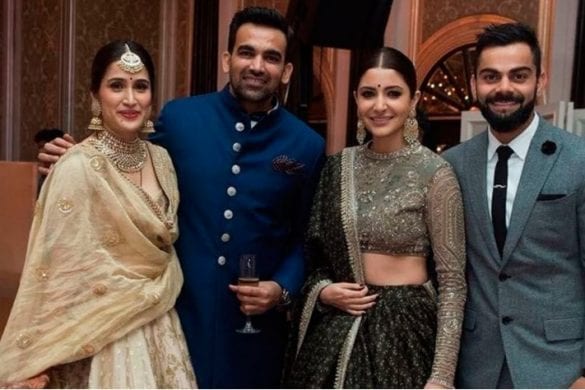
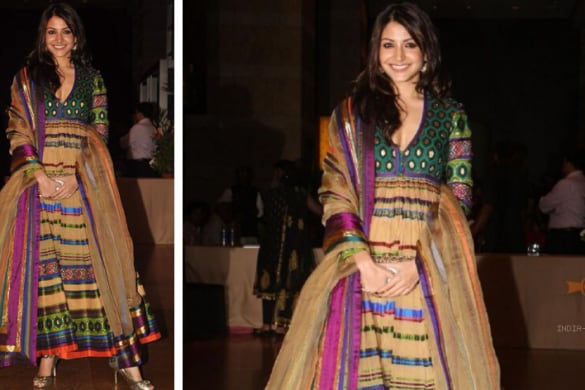
Pongal is a time to embrace traditional fashion. The vibrant colors and rich fabrics worn during the festival reflect the joyful atmosphere.
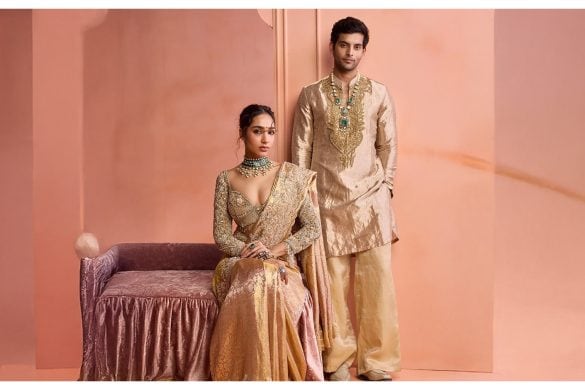
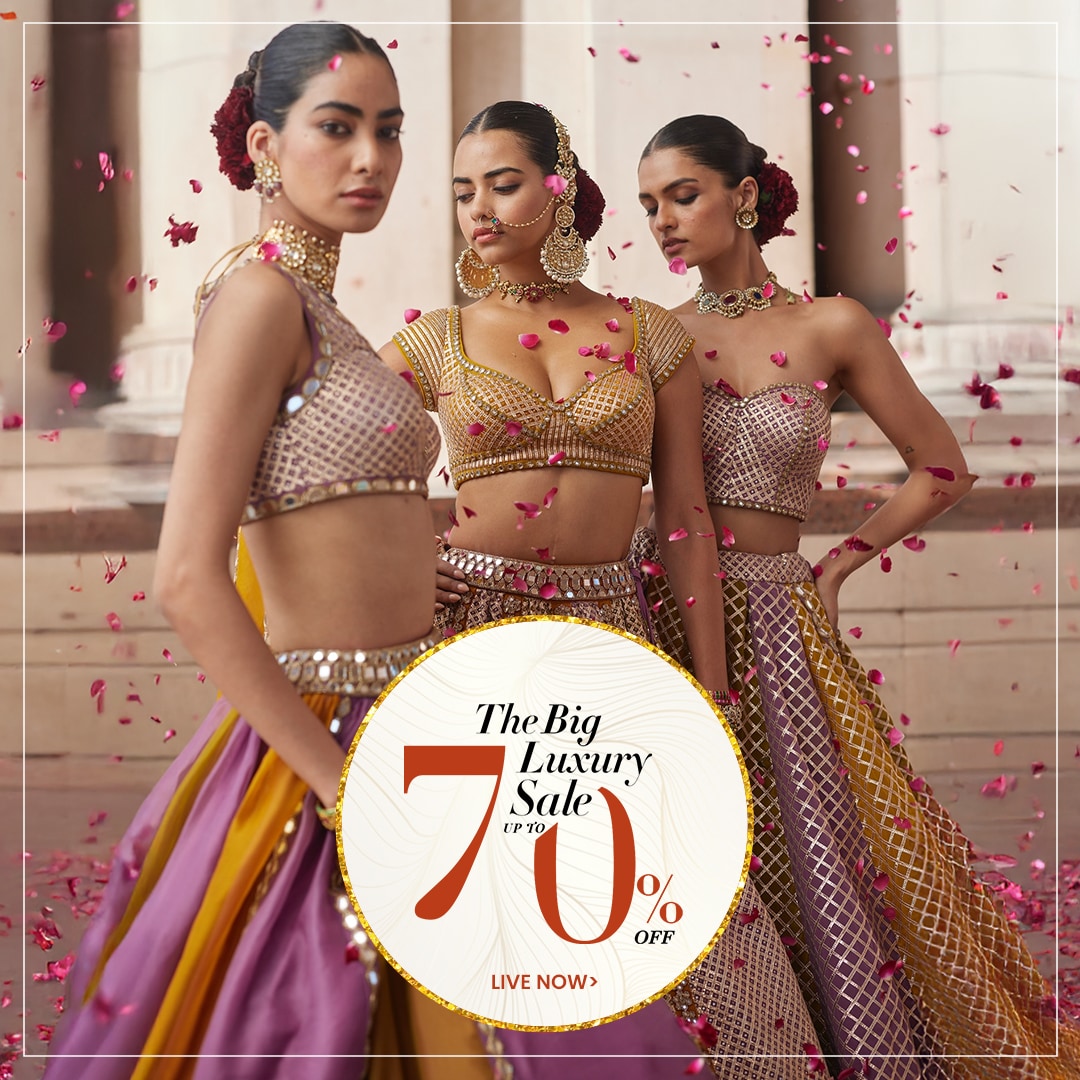
- For Women: The quintessential Pongal outfit is the silk saree. Kanchipuram silk sarees in bright colors like green, yellow, red, and orange are especially popular. Women adorn themselves with traditional gold jewellery and fresh jasmine flowers in their hair. For a more contemporary yet traditional look, elegant kurta sets in rich fabrics like silk or brocade are a wonderful choice. Many prefer the comfort and grace of pre-draped sarees or stylish saree-gowns for family gatherings.
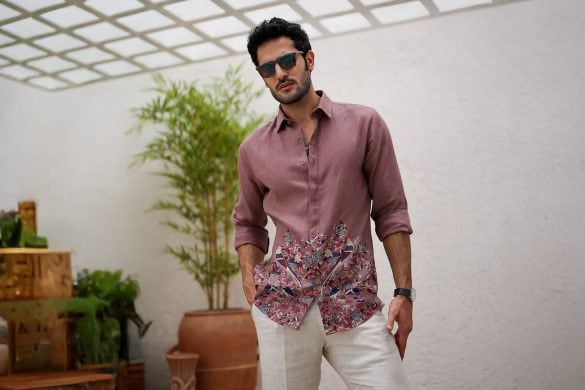
- For Men: Men typically wear a pattu veshti (silk dhoti) and an angavastram (a piece of cloth draped over the shoulders). Simple and elegant kurta sets for men in cotton or silk are also a popular and comfortable option for the festivities.
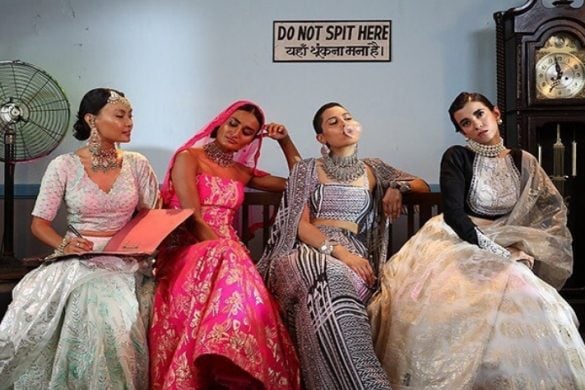
- For Children: Little girls often wear a pattu pavadai (a silk skirt and blouse), looking like miniature versions of their mothers. You can find beautiful girls' lehengas and festive wear that are perfect for the occasion.
Finding the perfect outfit is part of the festive preparation. At Aza Fashions, you can explore a curated collection of designer wear perfect for Pongal celebrations, from traditional sarees to modern kurta sets and girls' lehengas for children. Whether you're searching for a classic silk saree, a contemporary anarkali, or festive family ensembles, the extensive range from top Indian designers—including celebrated names like Sabyasachi—ensures you’ll find something special.
Pongal Beyond Tamil Nadu
While Pongal is the name used in Tamil Nadu, similar harvest festivals are celebrated across India at the same time, though with different names and rituals. In North India, it's celebrated as Lohri in Punjab and Makar Sankranti in many other states. In Assam, it is Magh Bihu, and in Gujarat, it's Uttarayan. These festivals all share a common thread: celebrating the harvest and marking the sun's transition.
This nationwide celebration highlights India's rich agricultural heritage and the cultural unity that exists within its diversity.
Conclusion: A Celebration of Gratitude and Renewal
Pongal is a beautiful reminder of our connection to the earth and the importance of gratitude. It’s a festival that brings families and communities together, reinforcing bonds of love and respect. The rituals, from the overflowing pot of Pongal to the honoring of cattle, are steeped in symbolism, teaching us about renewal, abundance, and living in harmony with nature.
As you prepare to celebrate this auspicious festival, embrace the traditions and the joy it brings. Adorn your home, cook a delicious feast, and dress in your festive best to honor the spirit of Pongal.
Frequently Asked Questions (FAQs)
Q1: What is the main purpose of the Pongal festival?
The main purpose of Pongal is to thank the Sun God (Surya), nature, and the farm animals for their contribution to a bountiful harvest. It is a four-day festival celebrating abundance, prosperity, and gratitude.
Q2: What is the story behind boiling the milk in a pot?
The act of boiling rice and milk in a clay pot until it overflows is the central ritual of Pongal. This overflowing, known as "Pongal," symbolizes abundance, wealth, and prosperity, signifying a wish for a year filled with good fortune.
Q3: Can anyone celebrate Pongal?
Yes, absolutely. While Pongal is a major festival in Tamil Nadu, its message of gratitude for nature's bounty is universal. People from all backgrounds can join in the festivities, cook the traditional dishes, and appreciate its cultural significance.
Q4: What is the difference between Pongal and Makar Sankranti?
Pongal and Makar Sankranti are both harvest festivals celebrated around the same time in January to mark the winter solstice. Pongal is the name used in Tamil Nadu and has its unique four-day structure. Makar Sankranti is celebrated in many other parts of India with varying rituals, such as kite flying in Gujarat and holy dips in the Ganges.
Q5: What are some good outfit ideas for Pongal?
For a traditional Pongal celebration, women can opt for vibrant silk sarees or elegant kurta sets. Men can wear a traditional dhoti or stylish kurta. Exploring collections from top designers can offer contemporary twists on these classic looks, ensuring you look your festive best. You can find a wide range of options at multi-designer platforms like Aza Fashions.